Algeria: Kamel Daoud and his wife sentenced in absentia to five years in prison for the novel "Houris"
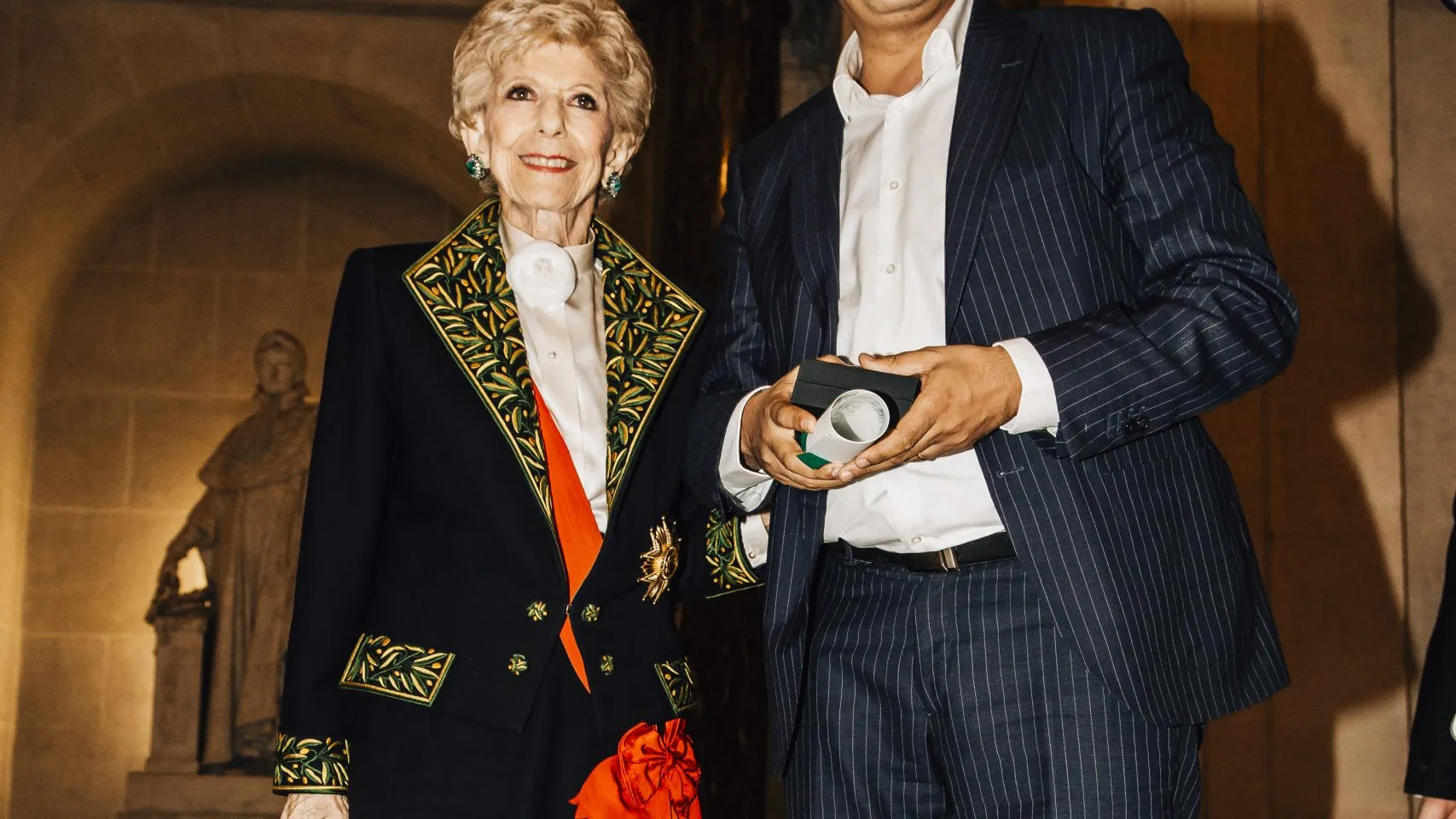
An Algerian court has sentenced writer Kamel Daoud and his wife Aicha Dahdouh to five years in prison each, in absentia, for the disclosure of medical secrets and violation of privacy, reported Africanews on November 11, 2026, citing the Algerian daily El Khabar. Both convicted individuals are in France and were not present at the hearing.
A complaint born from a psychotherapy practice
At the heart of the case is "Houris," the novel that earned Kamel Daoud the 2024 Prix Goncourt. The book tells the story of a woman left voiceless after an Islamist slit her throat during the civil war of the 1990s in Algeria.
An Algerian woman, Saada Arbane, claims to recognize her own life in the book. She accuses the writer of having used, without authorization, facts she had confided to Aicha Dahdouh, who was her psychotherapist. Among the similarities she lists, according to Africanews: a breathing tube, slit throats, an identical scar, tattoos, and a hair salon that both women owned.
The two defendants deny the charges
Kamel Daoud has denied using confidential medical information to write his novel. Aicha Dahdouh also denies any wrongdoing, while confirming she was Saada Arbane's psychotherapist in Algeria. In a statement sent to AFP in October 2026, she distanced herself from her husband, stating that his voice should not stifle hers and affirming that she disagrees with him on "Algeria, Islam, and Palestine." In an interview with Mediapart published on Monday, she indicated that the couple had initiated divorce proceedings.
This judgment is not the first: in April, in a separate case linked to the same novel, Kamel Daoud had already been sentenced to three years in prison, according to Africanews. The writer, who contributes to the French weekly Le Point, lives in France, where he had settled before these proceedings began.
Two rights in conflict
The case pits two requirements that Story Africa defends against each other: the creative freedom of an Algerian novelist, and the right of a survivor of the "Black Decade" to decide what of her intimate history and medical file can become a book. The Algerian justice system has ruled in favor of the latter, but through a conviction handed down in the absence of the parties involved, which therefore remains provisional until a trial with both sides present takes place.
Africanews does not specify the name of the court or the exact date of the judgment, indicating only that it was delivered on Tuesday. No reaction from the novel's publisher or the Algerian authorities was cited as of that date.
This article was written in French with the help of artificial intelligence from the sources cited below, then translated from French automatically. Read the original.