Education, women, youth, environment, big debates: the issues moving Africa forward.
The WHO announces the start of phase 2 trials for ChAdOx1 and mRNA-1469 in Ituri, where the Congolese epidemic has already killed more than 5,000 people since May 2026.
On 16 November 2026, the Court for the Repression of Economic and Financial Offences handed down two- and three-year prison sentences. The 202 convicted gold miners had already left Guinea.
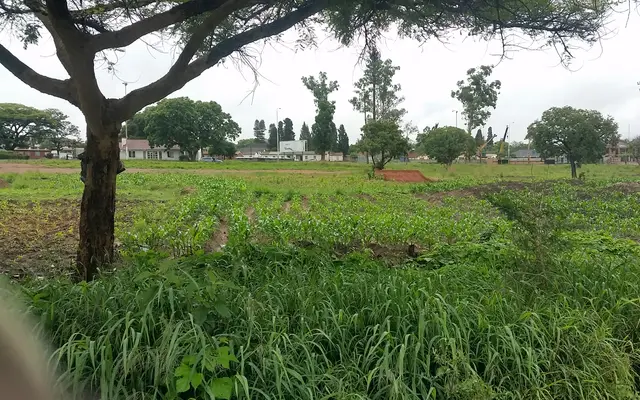
Acting Town Clerk Warren Chiwawa has ordered an immediate halt to all housing demolitions in the Zimbabwean capital, according to a memorandum reported on November 16, 2026.
Human Rights Watch noted on November 16, 2026, that the ban on registration fees from kindergarten to sixth grade is being widely respected, though one institution was still demanding them.
Harare has seen a spectacular decline in HIV among young people, according to UNAIDS. Healthcare workers and educators now fear that complacency and budget cuts could erase twenty years of progress.
From November 10 to 12, 2026, the ECOWAS Commission scrutinized the prototype of ECOVISA, the single regional visa inspired by Schengen. Neither the fee nor the launch date has been set yet.
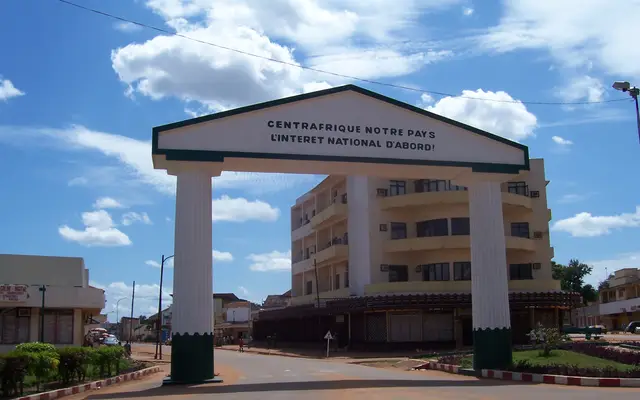
On November 13, 2026, in the rain, the Central African opposition marched against the high cost of living. The price per liter exceeds 1,100 CFA francs and five civil society leaders have been detained since October 15.
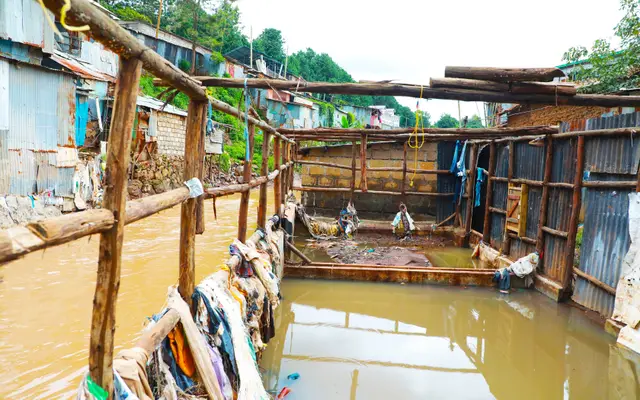
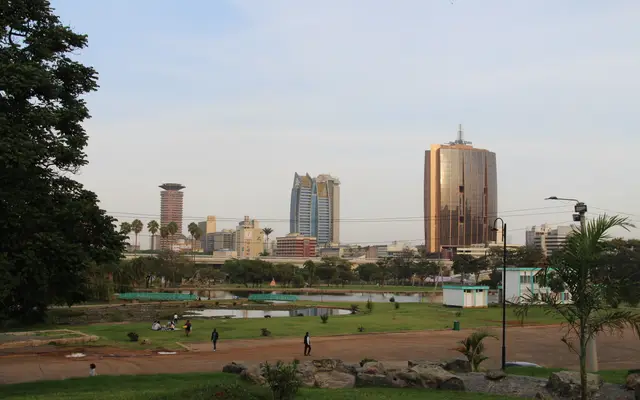
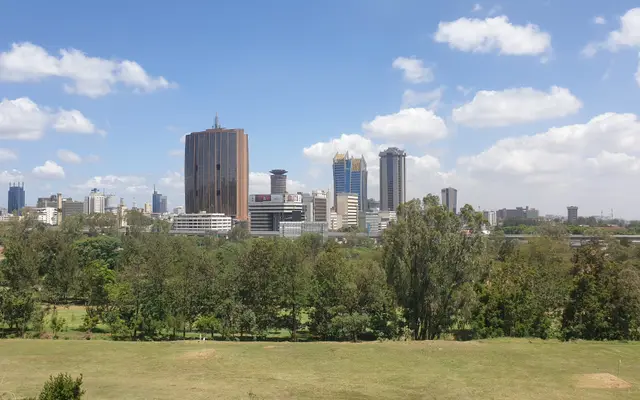
Kenya is bracing for intense rainfall until December 2026. In Mathare, residents are cleaning the river themselves and fear reliving the 2024 floods.
Six months after the start of the epidemic in Ituri, Doctors Without Borders asserts that the millions spent are not reaching the field: unpaid healthcare workers, ambulances without fuel, and surveillance that exists only on paper.
At least 23 people died in Tunisian prisons during the hottest summer since 1950, according to the Tunisian Human Rights League. Amnesty International has verified twelve of these cases.
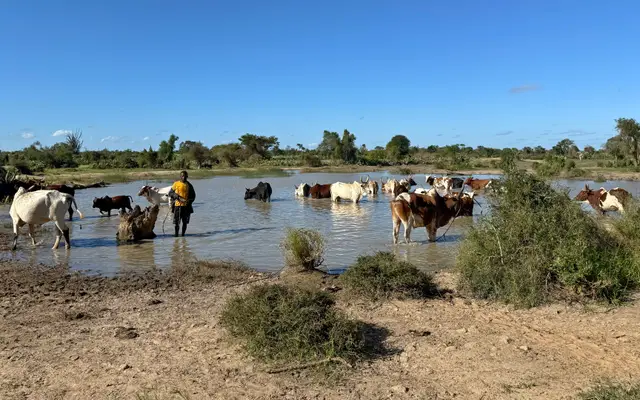
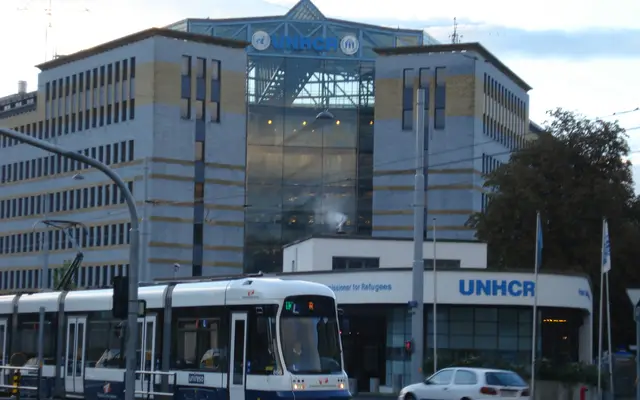
The UNHCR is calling for $11.4 million. In Diffa, harvests are expected to fail in 700 out of 1,000 villages, and 70% of pastures have been lost.
Nine confirmed cases, seven recoveries, two deaths, and no community transmission: Kenya has contained Ebola in five weeks, while the DRC faces its deadliest epidemic.
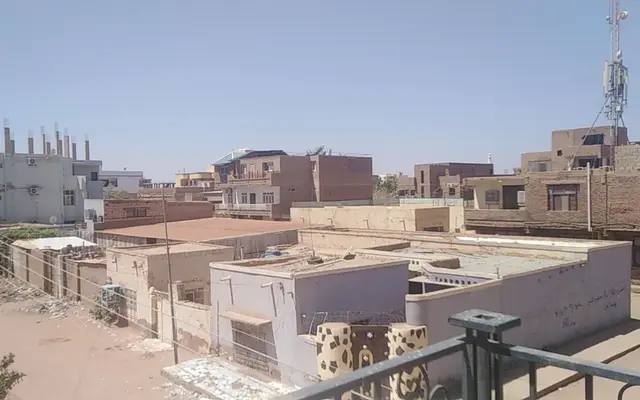
On November 10, 2026, in Geneva, UNICEF described a dual offensive against Sudanese children: up to fifteen power plants struck in October, and the 2026-2027 harvest already compromised.
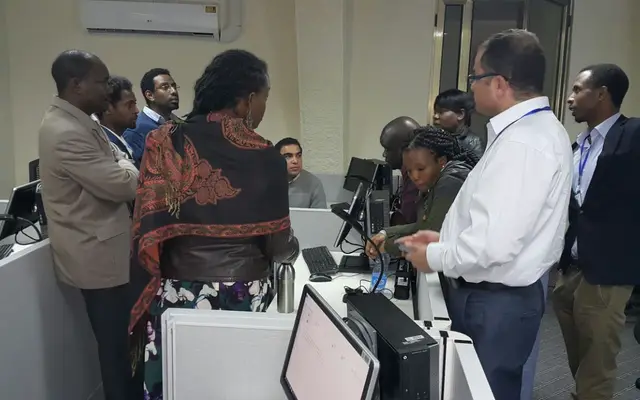
Presented on November 10, 2026, in Nairobi, a WHO report evaluates the health information systems of 40 African countries: only 18% have a dedicated budget, and the average maturity level peaks at 59 out of 100.
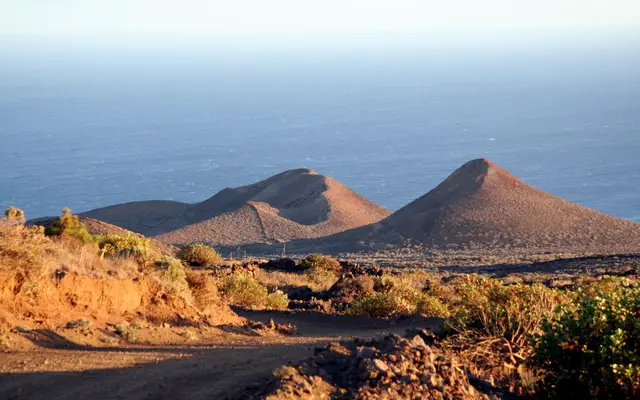
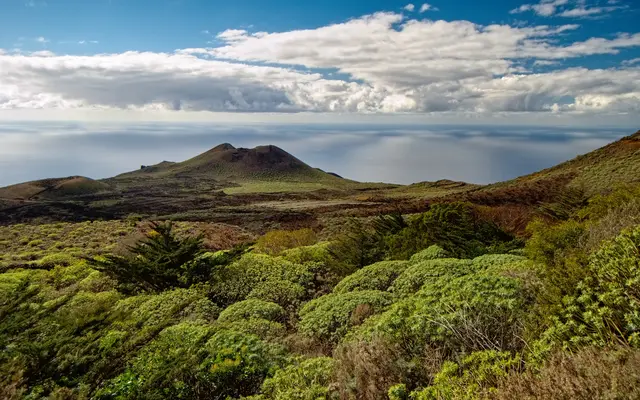
El Hierro, with 11,400 residents, has declared an emergency following the arrival of more than 3,300 people by sea since November 1, 2026. Patrols have pushed departure points further south, lengthening the crossing.
The 31st UN Climate Change Conference opens on November 9, 2026, in Antalya. The African Group of Negotiators, representing 54 countries, is demanding fresh funding and the fulfillment of previous promises.
In Kenya, Paul Mackenzie was sentenced to 200 years in prison on November 6, 2026. But most Shakahola families are still waiting for the remains of their loved ones to bury them.
Following the ban on artisanal gold mining in Siguiri on November 2, 2026, Mali is recording tens of thousands of expelled individuals. Ouagadougou denounces "cruel, inhuman and degrading" treatment.
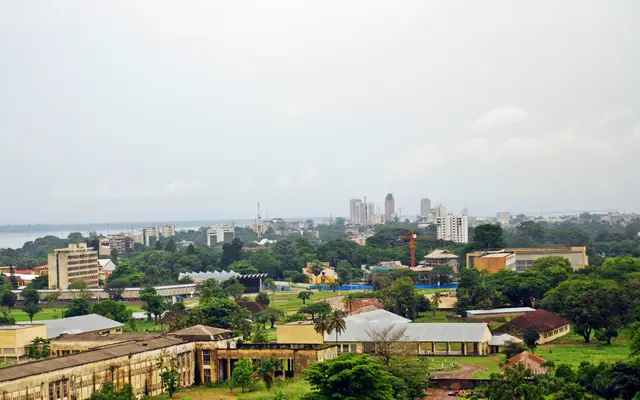
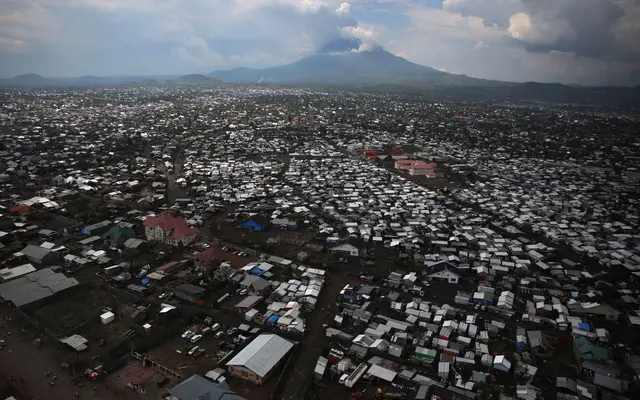
In the east of the Congolese capital, the appearance of three cases is reviving fears of an outbreak. The WHO fears a spread to Kinshasa, where residents are already taking precautions.
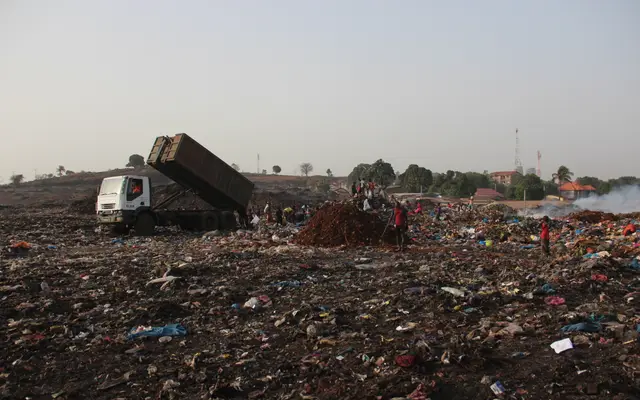
In the Guinean capital, waste has been piling up in the streets since authorities closed a massive landfill following a landslide that killed 35 people.
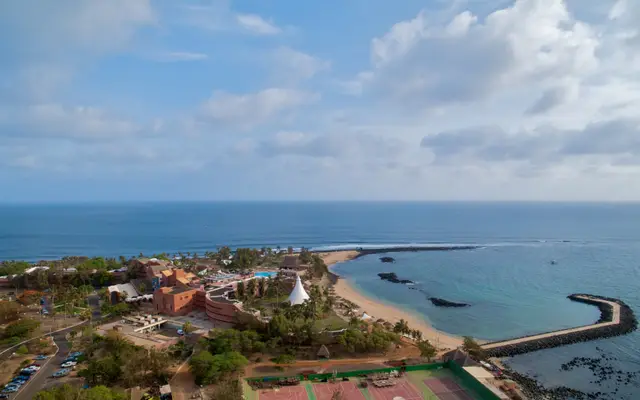
Hosted by the Olympic committees of Kenya and Uganda, six refugee athletes are competing in Dakar, Diamniadio, and Saly in the first Youth Olympic Games in history to feature a refugee team.
Following the ban on artisanal mining in northeastern Guinea, thousands of Burkinabè have been pushed back toward Mali. The Burkinabè Minister of Security reports that some individuals have suffered gunshot wounds.
An Oxford vaccine with the Serum Institute of India and another from Moderna join the clinical trial led by the Congolese INRB against the Bundibugyo virus.
MSF denounces measures imposed in eastern DRC: mandatory police reports, visible injuries, and a 72-hour window. In some centers, care access has dropped by 41%.
Any traveler boarding a flight to the United States must now declare in writing that they have not been in the DRC in the preceding 21 days. Meanwhile, Africa CDC has denounced restrictions targeting Africa without evidence.
Cameroonian associations presented a draft bill on gender-based violence in Yaoundé on November 2, 2026. They are demanding a protection order, which does not yet exist.
In a report dated November 1, 2026, the NGO accuses the police and military of targeting the opposition, lawyers, and journalists around the August poll.
The cartoonist was also ordered to pay a fine of 40,000 dirhams. His lawyer has announced an appeal, while the Moroccan Association for Human Rights is demanding his release.
In Mulanje, grass collectors are leaving earlier and traveling further. Cattle farmer Macdonald Khandalawo is seeing his milk production drop and no longer knows how long he will keep his herd.
Alaramma Illiyasu fought modern Tsangaya schools in 2012. Today, he is transferring his students there and demanding more spots. The Nigerian state is targeting over 1.3 million almajiri children.
Abducted in May and June 2026 from two schools in Askira/Uba, Nigeria, 78 students and one teacher have not reappeared. Their families held a press conference in Abuja.
On October 31, 2026, Judge Peter Olsen refused to ban the March and March movement's protests, but imposed strict conditions on them, four days before the South African municipal elections.
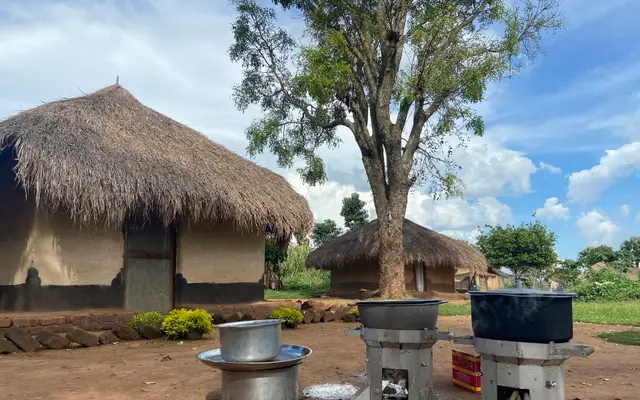
Improved cookstoves, gas, biogas, solar cookers: Togo wants to move two million households away from wood fires. It is a public health project as much as an environmental one.
Three girls, three boys, trained at altitude in Kaptagat, Kenya: for the first time, a refugee Olympic team is participating in the Youth Olympic Games, and it is happening in Africa.
Hundreds of students have protested at the University of The Gambia, demanding the resignation of their vice-chancellor. Transport, canteens, medical labs: the details of their grievances, according to Al Jazeera.
On October 28, 2026, healthcare workers and residents sang in front of the Mongbwalu treatment center in Ituri. But the epidemic continues: more than 10,000 cases were surpassed on October 27.
On October 27, 2026, a New Cairo court fined Lina Attalah 3 million pounds and ordered the closure of Egypt's leading independent media outlet for operating "without a license."
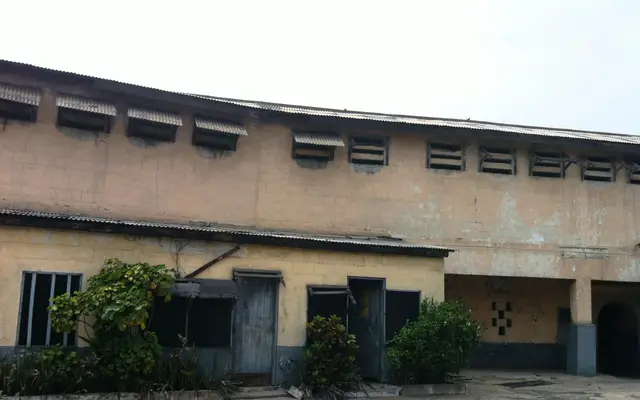
An independent commission submitted its report on October 27, 2026: overcrowding, heat, and ignored cries. It calls for dismissals, trials, and 1.4 billion naira in compensation.
In a statement issued on October 26, 2026, Médecins Sans Frontières raised the alarm on cholera, malnutrition, and malaria, which are being overshadowed by an outbreak that has claimed more than 9,500 lives, according to the NGO.
Exiled in Kenya since last year, the former Chadema youth leader was intercepted on October 25, 2026, in Kamulu by men traveling in three vehicles.
The High Authority for Communication lifted the suspension decided on February 17 on October 24, 2026. Online anonymity, however, is disappearing.
On October 25, 2026, Kampala tightened its borders in response to the Congolese epidemic, which has claimed 4,690 lives. No vaccine is approved for the Bundibugyo strain.
The Senegalese gendarmerie conducted three operations on October 20, 21, and 22, 2026, in the Fatick region. Four days earlier, 171 people were rescued near Saint-Louis.
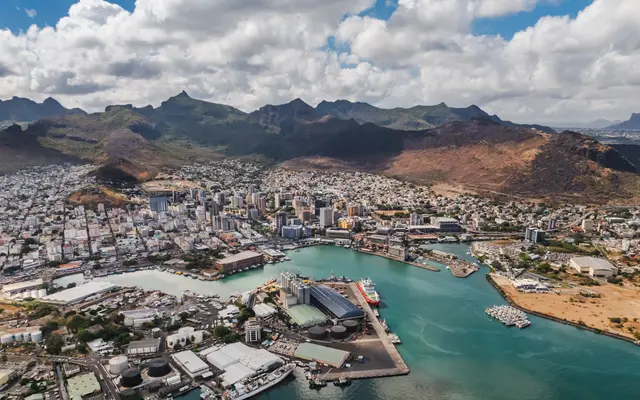
Following violence involving minors, Prime Minister Navin Ramgoolam has established a commission. Mauritian psychologists and social workers oppose the 12-year-old threshold.
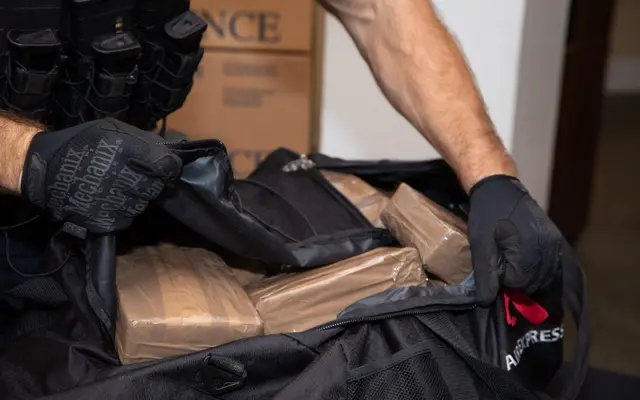
Latin American cartels are setting up methamphetamine laboratories in Africa and turning the continent into a cocaine corridor, according to a study published on October 21, 2026.
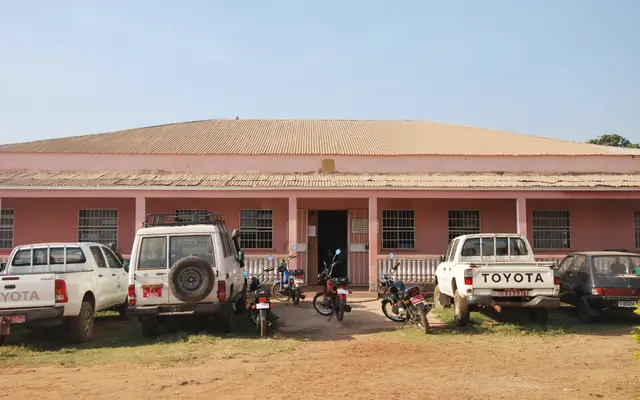
Judicial police in Bissau have sealed a refrigerator containing doses for a US-funded hepatitis B study that the WHO deems unethical and which the government refuses to authorize.
Five months into the response, the Bundibugyo virus epidemic is affecting the DRC, Kenya, and Nigeria. Africa CDC is bringing together African Health Ministers on October 28, 2026, and is calling for funds without delay.
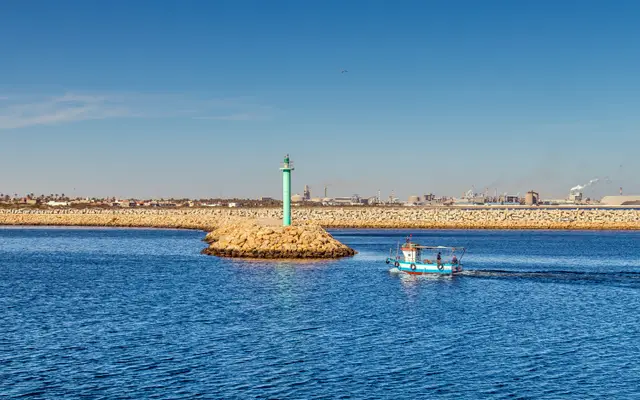
A Tunisian court sentenced ten activists from Gabès on October 21, 2026, for a 2020 protest against pollution from the Tunisian Chemical Group. Two of them received one-year prison sentences.
Most Africans who emigrate stay in Africa, and those who come to Europe are often neither the poorest nor the least educated. Here is what the figures from the African Union, the IOM, and the UN say about those who leave, and why.
The editor-in-chief of Mada Masr was summoned on October 21, 2026, before the State Security Prosecution. Amnesty International views this as the sixth legal action in six years against the news outlet.
The Federal Ministry of Health announced on October 20, 2026, a confirmed case of Ebola in Abuja, involving a traveler who arrived from Uganda. Forty-four close contacts are being monitored, including healthcare workers.
Diabetes, hypertension, heart disease: in Sudan, at war since April 2023, the price of treatments has skyrocketed with the collapse of the pound. Al Jazeera collected several testimonies on October 18, 2026.
Heard on October 19, 2026, in Johannesburg, the former president described accusations of secret deals with apartheid generals as a "fabrication." Nearly 300 cases have almost never reached a conclusion.
A pirogue carrying 177 people that departed from Senegal was rescued on October 18, 2026, near El Hierro. The Atlantic route remains as deadly as ever, even as arrival numbers plummet.
The Mombasa High Court was scheduled to deliver its judgment on October 19, 2026. Three years after the discovery of the mass graves, only 34 bodies have been identified by DNA out of 443 kept at the Malindi morgue.
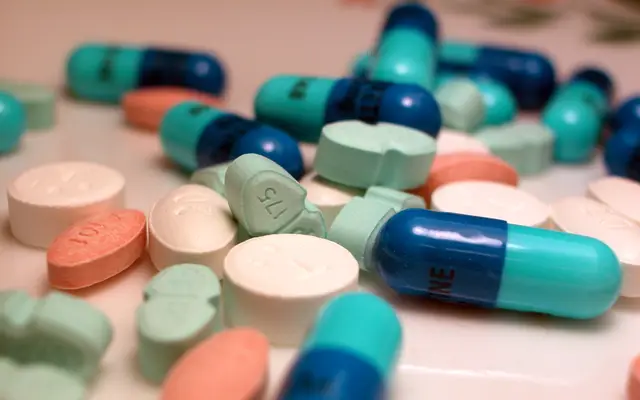
A report by the UNODC, the WHO, and the CEMAC Commission highlights the explosion of medicine trafficking in Central Africa and describes how armed groups are financing themselves at the expense of the sick.
Frontline workers in Beni received the Ervebo vaccine on October 16, 2026, as the epidemic exceeds 9,000 confirmed cases. However, Ervebo is not approved for the strain killing people in Ituri.
Water cuts, followed by a police officer shooting 27-year-old Élodie Thomas, have set several localities in Mauritius ablaze. The curfew runs until Monday, October 19, 2026, and L'Express reports 151 arrests.
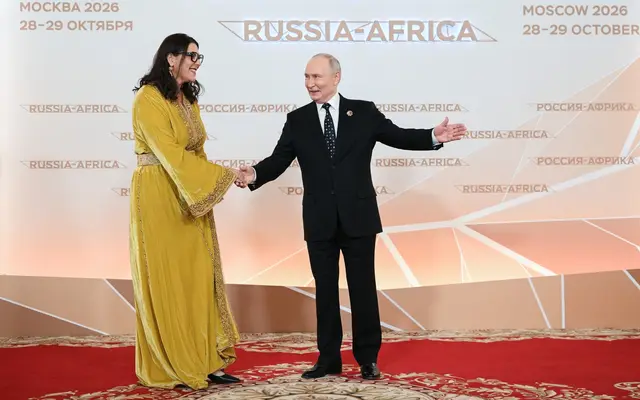
King Mohammed VI appointed the members of Fatima Ezzahra El Mansouri's government on October 16, 2026, the first female head of government in Morocco's history. Seven women are among the 32 officials.
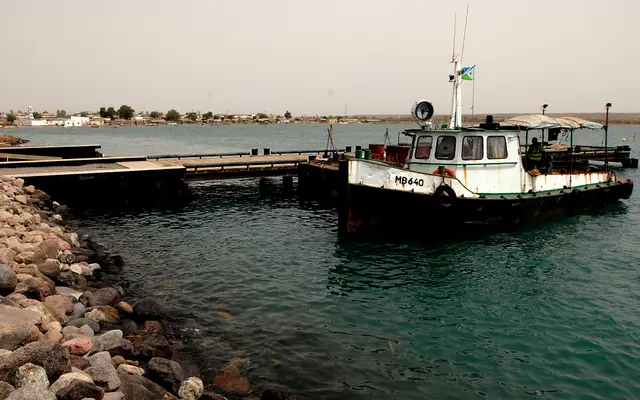
The UN coordinator in Djibouti described a "perfect storm" on October 14, 2026, in Obock, where nearly 4,000 people fleeing Yemen arrived in just a few days, more than half of whom are children.
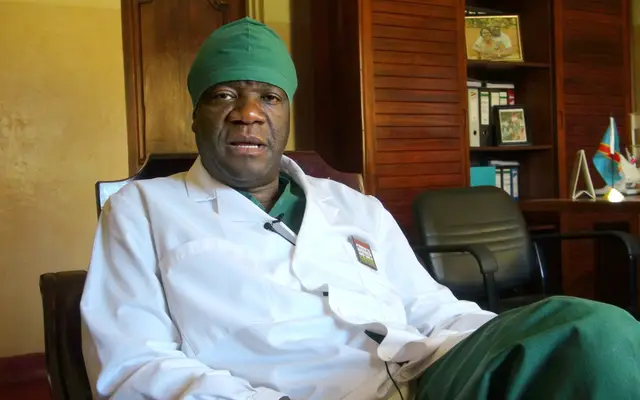
Human Rights Watch and Nobel laureate Denis Mukwege launched the "30 years of war, 30 years of impunity" campaign on October 15, 2026, calling for a justice mechanism and reparations for Congolese victims.
On October 14, 2026, in Kinshasa, Africa CDC head Jean Kaseya stated that out of $962 million disbursed to fight Ebola in the DRC, only $220 million could be traced by the authorities.
On October 13, 2026, a Ugandan parliamentary committee requested that the Human Rights Commission and the police investigate deaths and disappearances in three districts bordering parks within six months.
According to IOM data published on October 13, 2026, 4,566 West Africans arrived in Europe by sea in the first half of 2026. However, pirogues are departing further south and mortality rates are not declining.
Twenty-five people died on October 5, 2026, in a swamp in Ondo State. The traditional ruler is demanding cleanup and clean water; the Commissioner for Environment contradicts him.
The Nigeria Centre for Disease Control has recorded 1,138 confirmed cases and 268 deaths between January and October 4, 2026. The case fatality rate has risen to 23.6%, compared to 18.6% a year earlier.
Declared on May 15, 2026, the Bundibugyo strain epidemic has affected 8,978 people in the Democratic Republic of Congo. There is no approved vaccine or treatment, and MSF says its centers are saturated.
A Danish university has approved a $1.6 million trial funded by the US CDC: half of 14,000 Bissau-Guinean babies would not receive the vaccine for six weeks. The WHO and Africa CDC oppose it.
The Madagascar Bar Association is denouncing a harassment campaign against five colleagues in Nosy Be following court rulings on land disputes. The Tany Collective is calling for a specialized court.
The African Commission on Human and Peoples' Rights is sitting in Dakar from 12 to 21 October 2026. At the opening, African civil society denounced forced disappearances in Burkina Faso, Mali and Niger.
Forty goats dead in three months, coffee trees that now must be watered by hand: in the Nyeri region, climate change is fueling psychological distress.
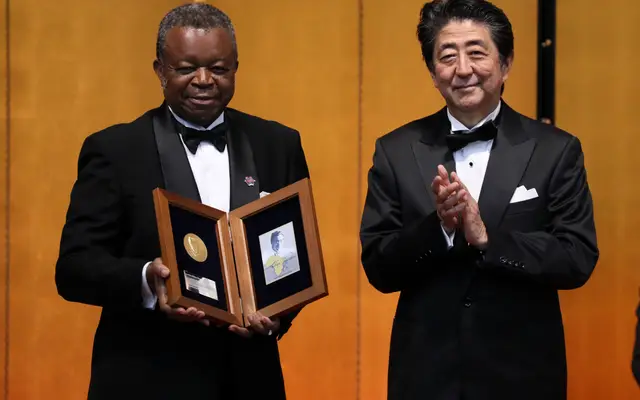
Fifty years after Yambuku, the virologist who heads the INRB in Kinshasa was honored on October 10, 2026 in Berlin, alongside Belgian Peter Piot.
Burkina Faso, Mali, and Niger now have nearly 4 million forcibly displaced people, up from 2 million in October 2020, according to the UNHCR.
On the outskirts of Harare, a mobile clinic provides access to contraception for adolescent girls. At the same time, 1,175 reproductive health centers are closing across Africa due to a lack of funding.
The Yaoundé military court has found 66 people arrested after the 2025 presidential election guilty. Several have already spent more time in detention than their sentences.
In the Salamat province, MSF screened 1,676 children between April and June 2026: 4.8% were suffering from severe acute malnutrition and 21.4% from moderate acute malnutrition.
In Borno State, 56 of the 113 primary schools in Askira-Uba are still operating. Amnesty International Nigeria recorded at least 1,100 people kidnapped in the north between January and April 2026.
Negotiations on October 6, 2026, failed in Accra. Unions are demanding the collective bargaining agreement that expired in June, salaries linked to promotions, and the 20% allowance for disadvantaged areas.
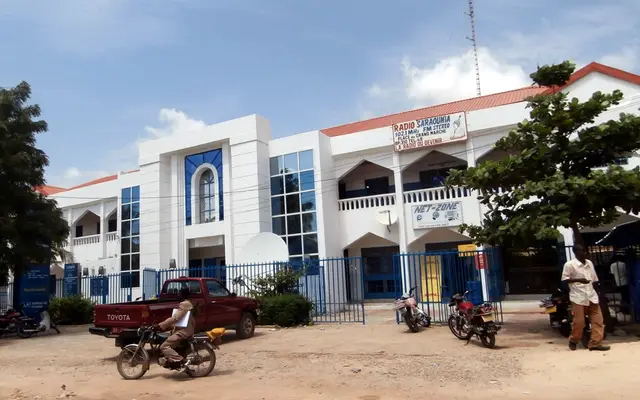
Missing in Niamey since August 31, 2026, the head of Radio Télévision Saraounia is alive and in the hands of the authorities, Alio Daouda told RSF on October 6. The NGO maintains the term 'enforced disappearance'.
Missing in Niamey since August 31, 2026, the head of Radio Télévision Saraounia is alive and in the hands of the authorities, Alio Daouda told RSF on October 6. The NGO maintains the term enforced disappearance.
The WFP fears a food crisis of unprecedented scale in southern Madagascar: 3.7 million people are in a 'crisis' level of food insecurity, and 39% of children under five are at risk.
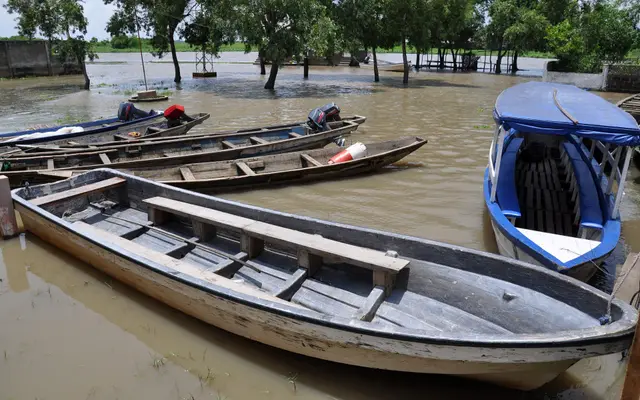
Two boats collided on Sunday, October 4, 2026, in the Équateur province of the DR Congo. The provisional death toll stands at at least 30, with dozens more missing.
In a report released on October 6, 2026, the United Nations Office on Drugs and Crime recorded 251 tonnes of medical products seized between 2020 and 2025 in CEMAC countries.
Announced on October 5, 2026, the measure releases 819 first-time offenders, thirteen inmates over 70, and six seriously ill prisoners, in honor of the country's 70th independence anniversary.
In a statement released on October 6, 2026, the organization criticizes Tunisian authorities for their lack of transparency regarding the outages that hit the country during the heatwave of July and August 2026.
The Ministry of the Interior confirmed on October 5, 2026, the loss of life in Dakar, Matam, and Kaolack, all caused by building collapses.
Received at the Élysée Palace on October 5, 2026, Beninese President Romuald Wadagni formalized a request for 35 objects taken during the conquest of Dahomey in 1892.
A review workshop opened on October 5, 2026, in Grand-Bassam highlighted the scale of a childbirth injury affecting approximately 74,000 Ivorian women, and the delay in funding.
In a report on the siege of El Fasher in North Darfur, the organization claims to have documented eight of the eleven crimes against humanity recognized under international law.
Protected by the ban on importing yarn and fabric since September 2024, Burkinabe woven cloth supports thousands of women. However, counterfeiting and organic cotton exports limit earnings.
In the Ituri province, a clinical trial is evaluating an antiviral administered after exposure to the Ebola virus. More than 250 people are already participating, reports Africanews.
Senegal has paid an emotional tribute to Cheikh Hamidou Kane, the illustrious author of Ambiguous Adventure, who was laid to rest on October 4, 2026, in Dakar in the presence of his loved ones and government officials.
On October 5, 2026, tens of thousands of students returned to class in Nouakchott, leaving parents to face soaring prices for school supplies.
Gathered in Dakar on October 3, 2026, the congress of the Senegalese Society of Colposcopy reiterated the goal of the 2025-2029 national plan. Screening remains the weak link, according to gynecologist Omar Gassama.
Kinshasa and Paris signed a 1.3 million euro project on October 2, 2026, running from 2026-2028: free legal procedures, mobile legal clinics, and mobile court hearings for victims in the East.
In a report published on October 2, 2026, the UNHCR identifies 5.8 million refugee children out of school, representing 44% of the total. African countries hit by conflict are on the front line.
Three Kenyan higher education unions stopped work on October 2, 2026, due to a lack of agreement on the 2025-2029 collective bargaining agreement. The gap between the salary offer and the demands remains significant.
Living with ichthyosis since birth, Dockuma, a Frenchman of Malian descent, uses social media to fight the stigma surrounding his skin condition.
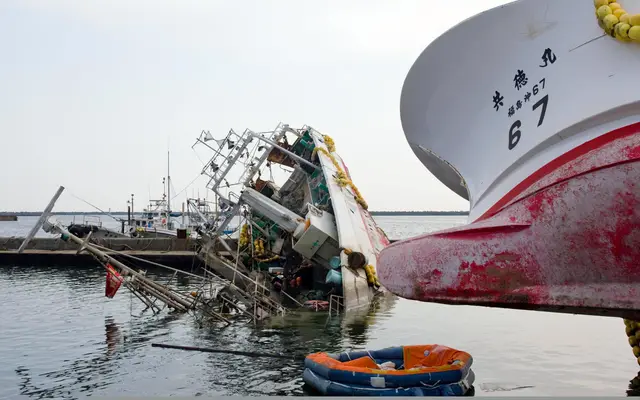
Since the 2011 tsunami in Japan, Yasuo Takamatsu has regularly dived into the sea to try and find his wife, who was swept away by the waters, turning his grief into a ritual of connection.
The presidential party Kiiraay gathered its executives in Dakar to define its political line and prepare its territorial expansion.
Uganda has made newborn screening mandatory across the country and is placing children on hydroxyurea from nine months of age, according to an Africanews report from October 2, 2026.
The Ministry of Higher Education has published a list of 34 private structures and branches not authorized to issue degrees, in order to protect students and their families.
An Al Jazeera investigation published on October 3, 2026, documents decades of complaints against British soldiers stationed in Kenya, and the immunity that blocks families from justice.
In the Sarfalao neighborhood, Yaya Sanou developed "Vibra-Signe," a method that transmits rhythm through vibrations. His company won gold at the 2023 Francophone Games.
The NGO has recorded 2,071 infected minors and 961 child deaths since the start of the epidemic in the eastern Democratic Republic of Congo. The overall death toll has exceeded 4,000.
A twice-yearly injectable antiretroviral provides near-total protection against HIV. Its rollout has begun in six African countries, but price and declining funding are already limiting access.
Equatorial Guinean security forces are intensifying checks and expulsions of Central African citizens, reigniting regional tensions.
A Senegalese parliamentary mission concludes that there is no evidence establishing the commercialization of Softcare products made with expired materials.
In a letter addressed to the Congolese head of state, 24 organizations denounce the expansion of mining exploration and exploitation within the park and are calling for an investigative mission.
The Kaolack Academy Inspectorate presented a grim assessment on October 2, 2026, ahead of the new school year: vacant positions, flooded facilities, and a need for 9,500 desks.
The National People's Assembly adopted a revision of the penal code on October 1, 2026, applying the death penalty to perpetrators of forest fires and certain child kidnappers. The text must still pass through the Senate.
A 26-year-old anti-corruption activist, Praise Aloikin, is being held in Uganda. Amnesty International claims she was abducted by armed men in late September 2026 before reappearing in court.
The French Minister of Foreign Affairs has begun a two-day visit to the DRC, focusing on the response to the Ebola epidemic and justice issues in the east of the country.
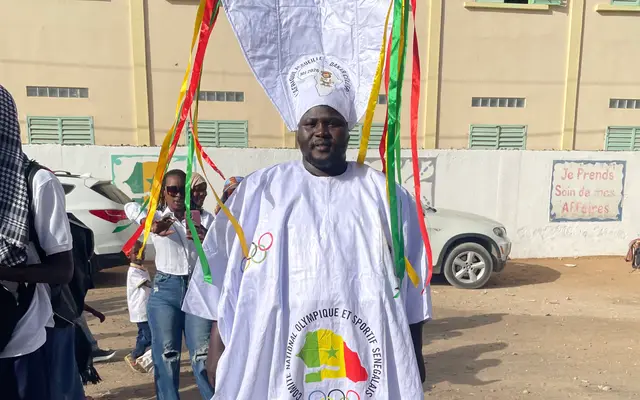
A Senegalese delegation promoted the Dakar Youth Olympic Games at UNESCO, confirming the country's readiness to host 2,500 athletes.
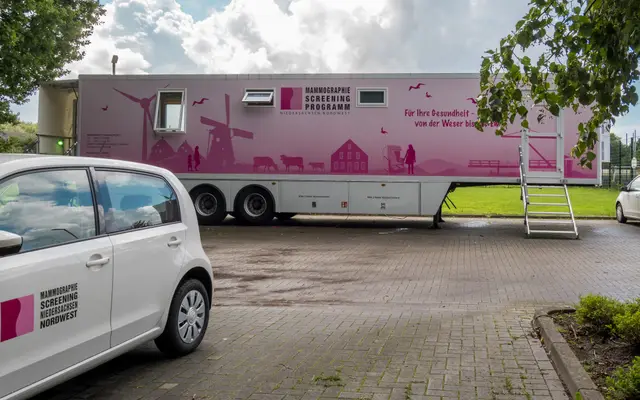
National campaigns launched in late September 2026 in Dakar, Tunis, and Kinshasa: mobile units, free exams, and specific targets to combat the continent's leading cancer in women.
On September 30, 2026, Senegalese deputies voted for bill no. 39/2026, which guarantees incarcerated individuals access to healthcare aligned with that of other citizens.
Faced with a surge in the murders of women near Johannesburg, South African associations are calling for a deep overhaul of the judicial system to ensure justice for victims.
A humanitarian worker from Doctors Without Borders, infected with the Ebola virus in the eastern DRC, has been transferred to a Dutch hospital.