Ebola: Nigeria confirms a case in Abuja and monitors 44 contacts, twelve years after the 2014 epidemic
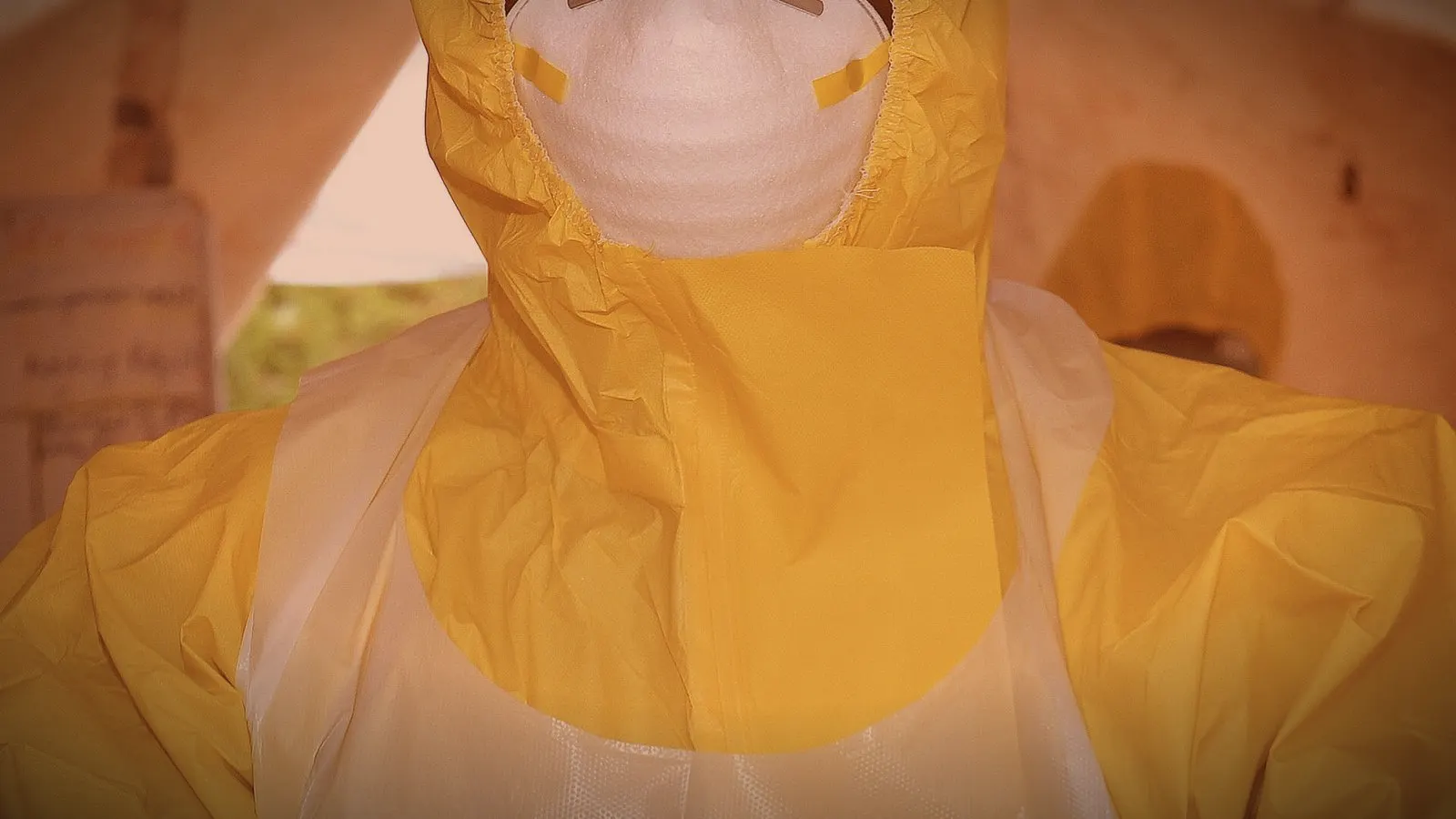
Nigeria confirmed a case of Ebola virus disease in its capital, Abuja, on October 20, 2026, and has begun monitoring 44 close contacts. The announcement came from the Federal Ministry of Health, whose coordinating minister, Professor Muhammad Ali Pate, confirmed the laboratory result, according to Leadership and Capital FM.
The patient is a woman who arrived on an international flight from Uganda. According to WHO data cited by Capital FM, her symptoms began on October 7, four days after her arrival, and she presented herself on October 11 at a private facility in Abuja, where she was treated for several days before the diagnosis. She is currently isolated and receiving care. The WHO indicates that this is the Bundibugyo Ebola virus.
The 44 identified contacts include healthcare workers, patients, companions, and individuals linked to the travel. The response is being coordinated with the Nigeria Centre for Disease Control (NCDC) and the Federal Capital Territory Health Secretariat. All facilities, both public and private, must isolate and report any suspected case immediately. Capital FM specifies that transiting through Uganda is not, by itself, enough to establish the location of the contamination.
A country that has stopped the virus before
Nigeria faced Ebola in July 2014, when Patrick Sawyer, an infected Liberian-American, arrived by plane in Lagos; he died five days later. The response, which was praised at the time, cost the life of Dr. Ameyo Stella Adadevoh. According to the WHO, that outbreak resulted in 20 cases and 8 deaths, including the index case, and the end of transmission was declared on October 20, 2014: this week's confirmation comes exactly twelve years to the day after that declaration.
Vigilance established since the beginning of the month
The alert did not begin with this case. The NCDC had strengthened its surveillance on October 6, 2026, following the confirmation of an imported case in Kenya linked to the ongoing epidemic in the Democratic Republic of Congo. In June 2026, President Bola Tinubu created a presidential task force on Ebola preparedness, chaired by his Chief of Staff Femi Gbajabiamila, and approved 10 billion naira for the NCDC, reports Leadership.
Authorities are calling on the public to remain, in their words, "calm but vigilant," and for healthcare workers to maintain "a high index of suspicion." They insist on a point that 2014 made decisive: do not let rumors and stigmatization take precedence over reporting.
This article was written in French with the help of artificial intelligence from the sources cited below, then translated from French automatically. Read the original.