Kingdoms, resistance, forgotten figures: African history told without a filter, the way it wasn't taught at school.
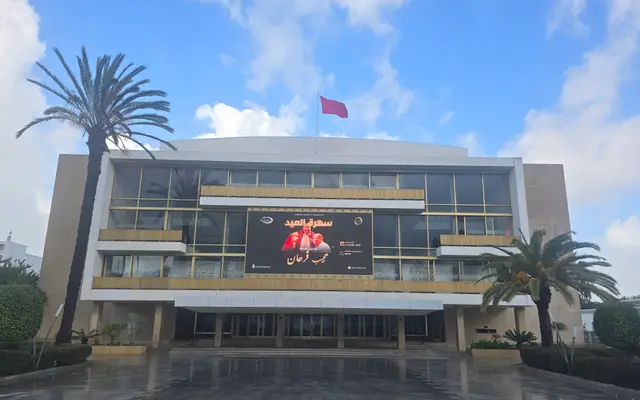
Deposed on August 20, 1953, for refusing to abdicate, and exiled to Corsica and then Madagascar, the Sultan returned to Rabat and proclaimed on November 18, 1955, 'the end of the guardianship regime and the protectorate.'
In Nigeria, a woman's refusal to be counted triggers the Ogu Umunwanyi: thousands of women in revolt, 55 killed, and a pillar of the British colonial administration dismantled.
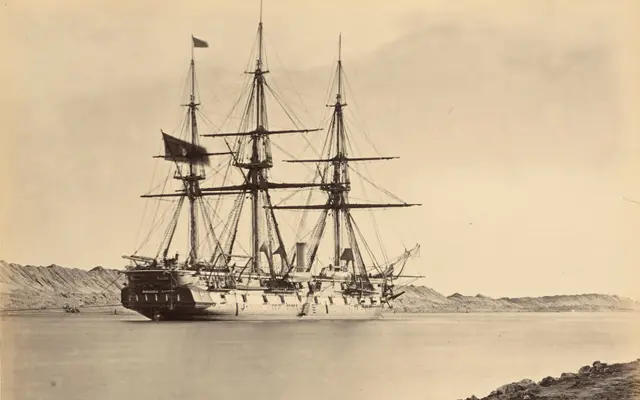
157 years ago, Egypt inaugurated the Suez Canal before the crowns of Europe. The fellahin who dug it through forced labor were neither invited nor counted.
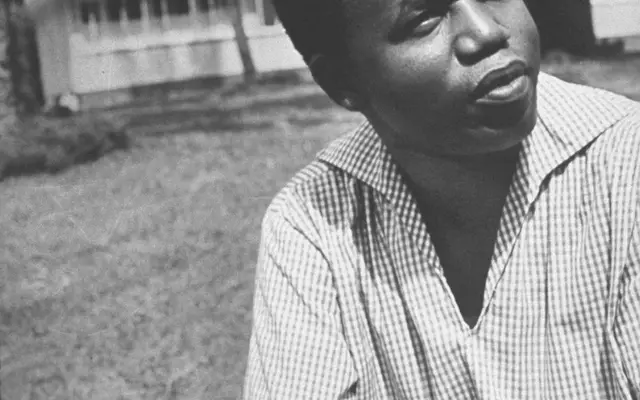
Born on 16 November 1930 in Ogidi, the author of "Things Fall Apart" reclaimed from Europe the right to tell Africa's story — and twice said no to Nigeria's highest honours.
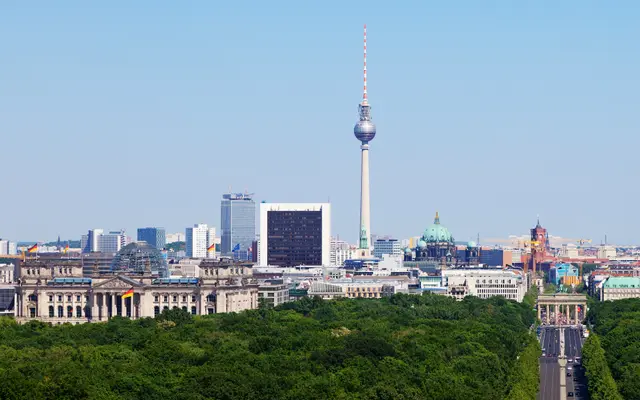
Opened on 15 November 1884 at Bismarck's residence, the Berlin Conference established the rules for the colonisation of the continent. Not a single African sat at the table; its borders remain legally binding today.
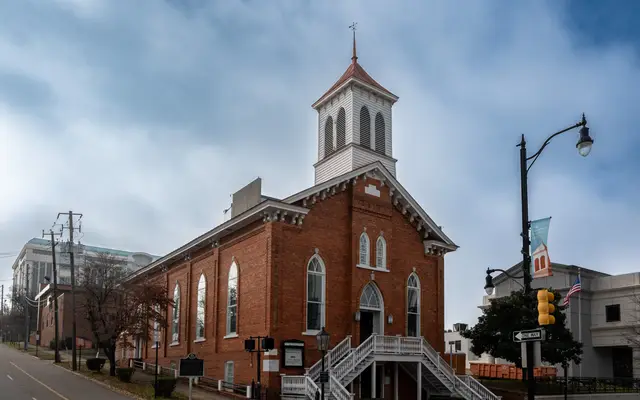
70 years ago, the U.S. Supreme Court upheld the Browder v. Gayle ruling. The plaintiffs were four Black women from Montgomery, including a 15-year-old teenager.
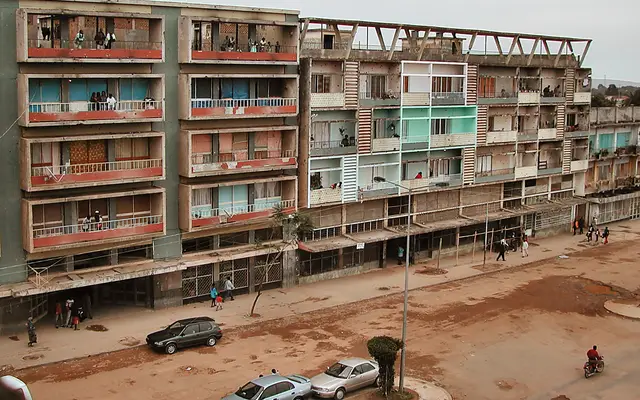
In Luanda, Agostinho Neto proclaims the People's Republic of Angola; in Huambo, the FNLA and UNITA announce theirs. The story of an independence hard-won, then contested by foreign powers.
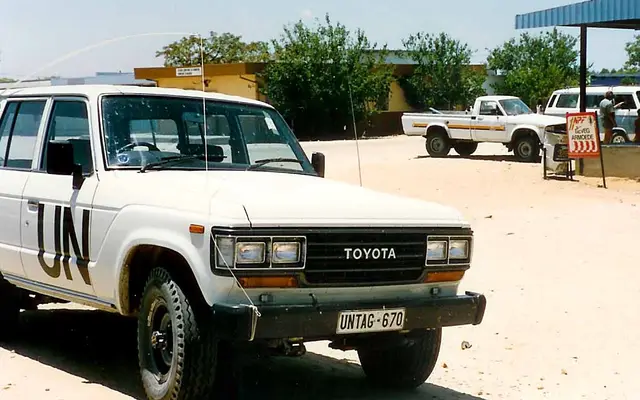
From November 7 to 11, 1989, after seventy-four years of South African administration, Namibians elected their first Constituent Assembly: 97% turnout and 41 out of 72 seats for SWAPO.
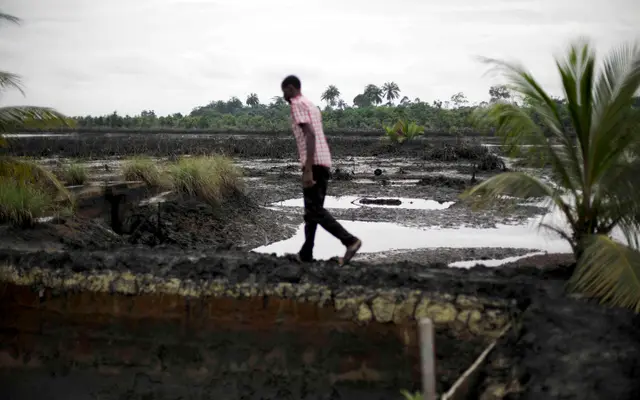
He demanded that Ogoni oil benefit the Ogoni people. A military tribunal sentenced him to death along with eight other activists. Thirty years later, the Nigerian state has pardoned him without exonerating him.
Thirty-nine years ago, Zine el-Abidine Ben Ali removed Habib Bourguiba from power based on a medical report drafted in the middle of the night. The story of a bloodless coup and the twenty-three years that followed.
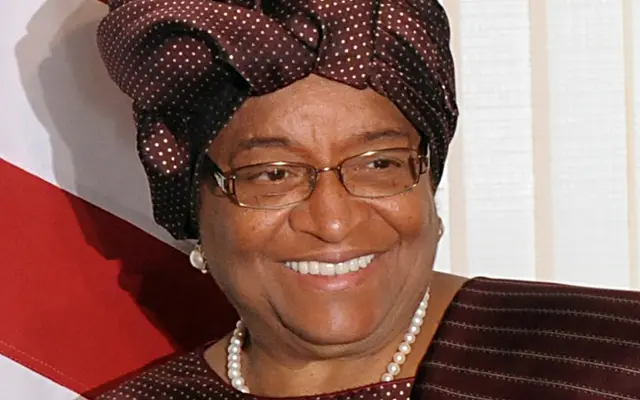
Two years after the civil war, Liberians gave 59.40% of the vote to an economist who had experienced both prison and exile. An African first, and a debated legacy.
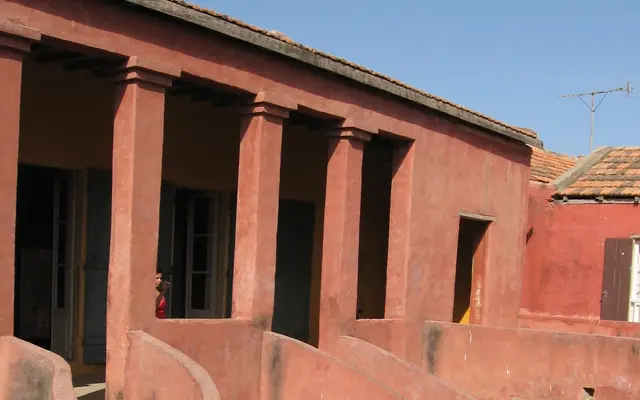
Off the coast of Dakar, the island of Gorée and its House of Slaves have become one of the great sites of memory of the Atlantic slave trade. Its history, its signares, its museum, and the debate among historians regarding the figures.
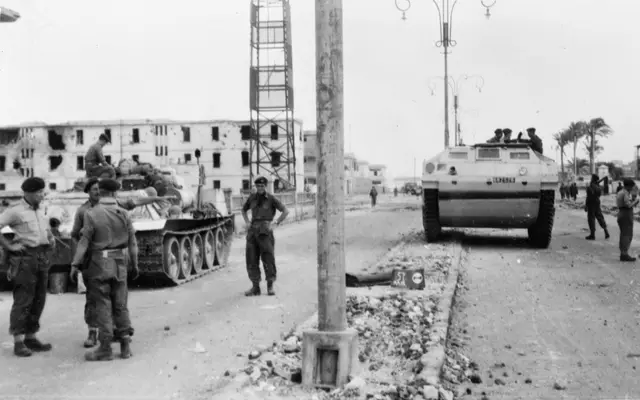
On November 5, 1956, British and French paratroopers landed on Port Said. By midnight the next day, it was all over: Egypt kept its canal and two colonial empires retreated.
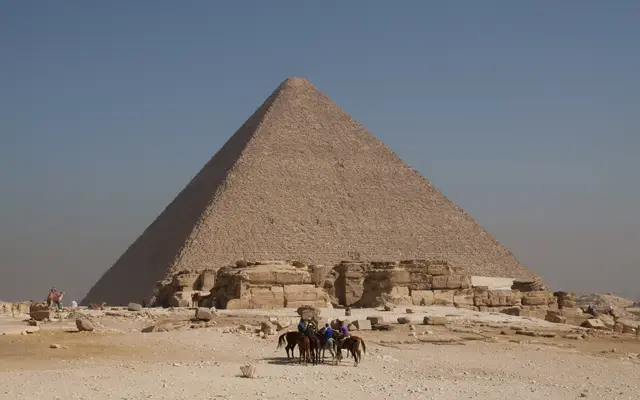
Herodotus, the workers' cemetery discovered in 1990, teams of 40, the Diary of Merer, the corvée: what discoveries really say about the builders of the Great Pyramid.
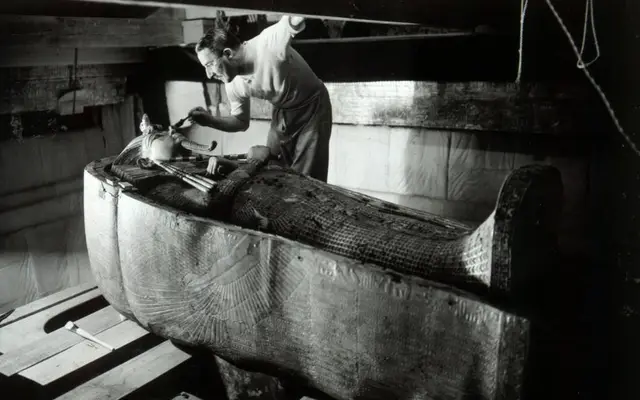
104 years ago, in the Valley of the Kings, a step cleared by an Egyptian worker opened the world's most famous tomb. Carter named four of his men; the others remained anonymous.
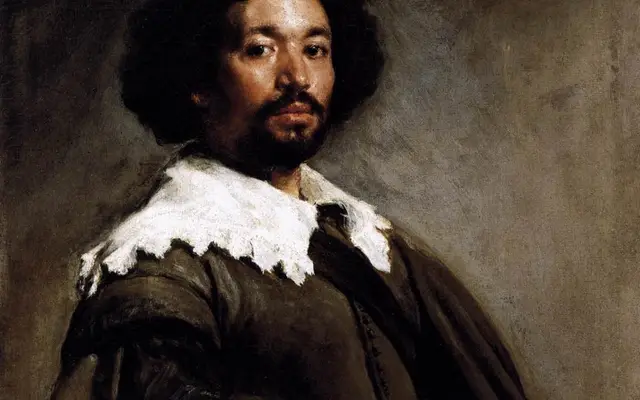
An Egyptian saint long painted as a European, a painter born into slavery whose portrait broke records without his name being cited, an erased general, a queen on screen: how images have changed the faces of history, and how we are giving them back their names.
On November 5, 1911, Victor Emmanuel III placed Tripolitania and Cyrenaica under Italian sovereignty by decree, even though his army only held the coast. Twenty years of resistance would follow.
On November 4, 1977, the Security Council hit apartheid South Africa with the first mandatory arms embargo in its history. A victory secured by the African group at the UN.
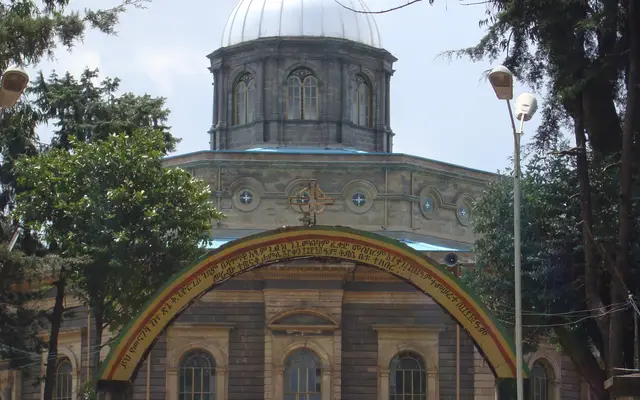
96 years ago, Tafari Makonnen became 'King of Kings of Ethiopia' before the envoys of London, Paris, Rome, and Washington. A day that left its mark on the entire Black diaspora, and a reign that history continues to debate.
On October 31, 2014, after two days of insurrection, Blaise Compaoré renounced power after twenty-seven years. Twelve years later, here is what this victory of the streets has left for Burkina Faso.
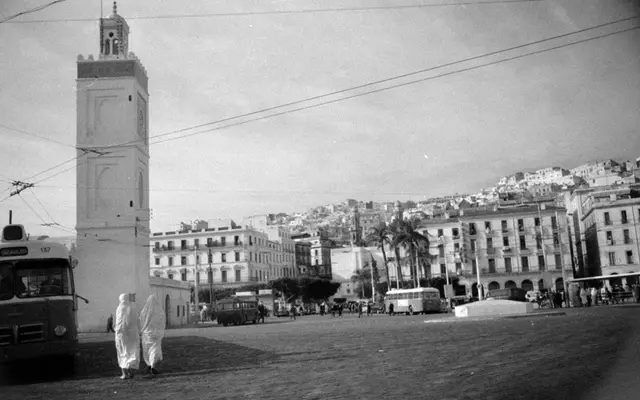
On the night of October 31 to November 1, 1954, a few hundred militants with almost no weapons struck colonial Algeria. Ten deaths, one leaflet, and eight years of war until independence.
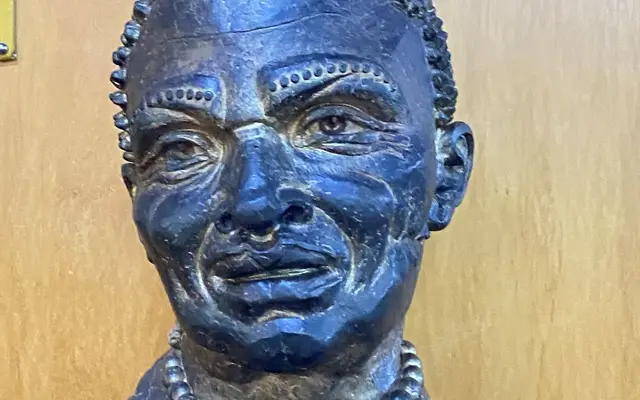
In exchange for 100 pounds a month and 1,000 rifles, the Ndebele king ceded the minerals of his kingdom. A year later, this document became the royal charter that founded the colonization of what would become Zimbabwe.
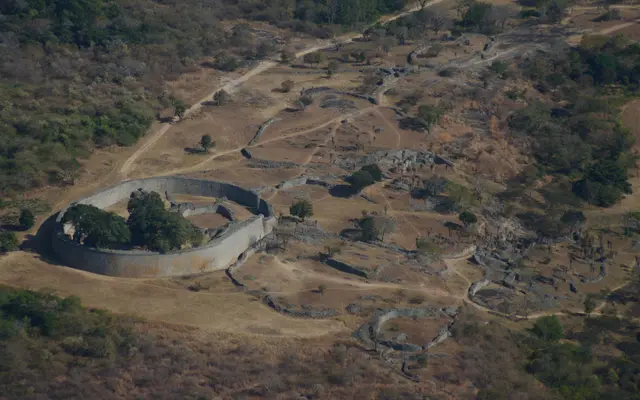
Aksum, Fez, Great Zimbabwe, Kilwa, Timbuktu, Benin City, Mbanza Kongo: long before colonization, Africa had large cities, described by travelers and now classified by UNESCO. Seven proofs, with sources to support them.
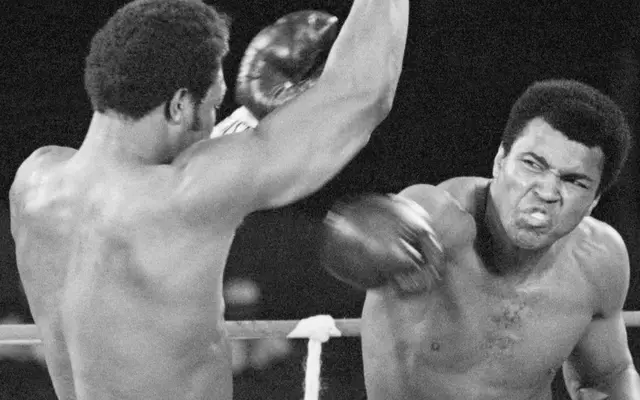
On October 30, 1974, at the 20th of May Stadium, Muhammad Ali defeated George Foreman in the 8th round in front of 60,000 people. An African sporting summit, and a showcase for a regime.
Long told by others, the history of Africa was rewritten starting in 1964 by 350 experts brought together by UNESCO, including Joseph Ki-Zerbo and Cheikh Anta Diop. Oral sources, scattered archives, and new volumes in 2025: the story of a reconquest.
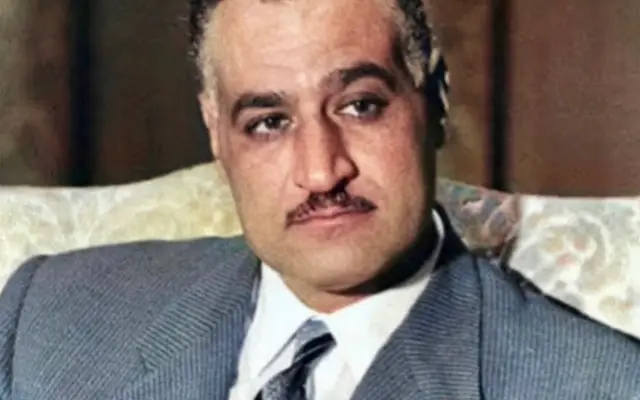
Seventy years ago, Israel, France, and the United Kingdom attacked Egypt after it nationalized the Suez Canal. Militarily defeated, Nasser's Egypt emerged from the crisis strengthened.
Seven months after its defeat at Adwa, Italy signed a treaty in Addis Ababa that annulled its protectorate and recognized the sovereignty of Menelik II's Ethiopia. That was 130 years ago.
Editor of a newspaper that was constantly banned, accused of treason alongside Nelson Mandela, held in solitary confinement for 117 days, and assassinated by a letter bomb in 1982: the destiny of Ruth First, a voice of the anti-apartheid struggle.
On October 27, 1971, Mobutu renamed the Democratic Republic of the Congo to the Republic of Zaire. Fifty-five years later, the legacy of "authenticity" remains disputed.
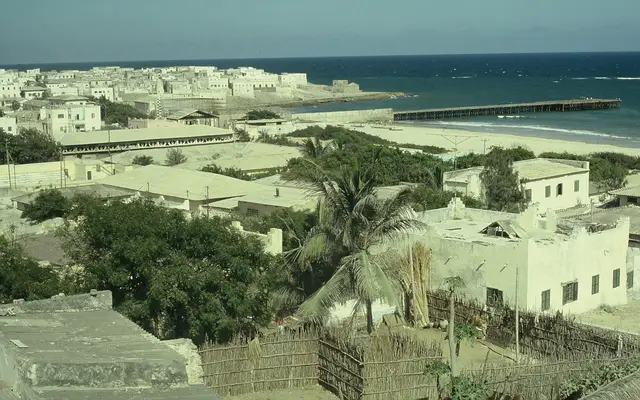
Ali Maow Maalin, a 23-year-old hospital cook in Merca, Somalia, is the last human to have naturally contracted smallpox. Having become a vaccinator, he died of malaria in 2013.
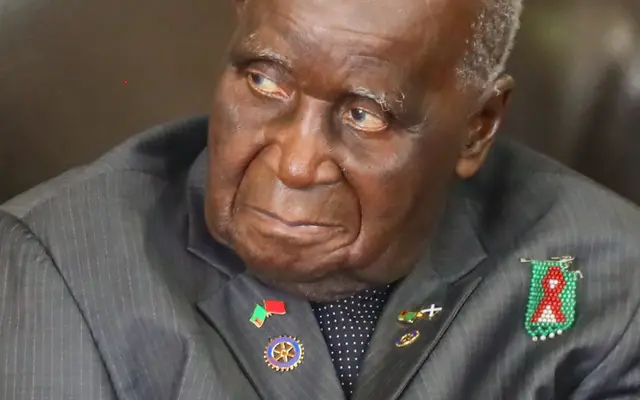
Sixty years ago, Northern Rhodesia became Zambia and Kenneth Kaunda its first president. A new nation that would shelter the ANC, SWAPO, and ZANU, and pay a very high price for it.
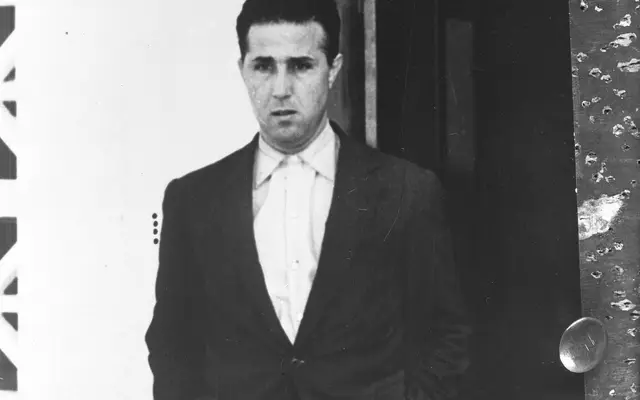
Intercepted between Rabat and Tunis where Bourguiba was waiting for them, Ben Bella, Boudiaf, Aït Ahmed, Khider, and Lacheraf would spend more than five years in prison. A show of force that hardened the Algerian War.
Born on October 21, 1918, in Transkei, a nurse, the first woman detained under the 90-day law, and banned longer than anyone else in South Africa: the story of Albertina Sisulu, 'Mother of the Nation'.
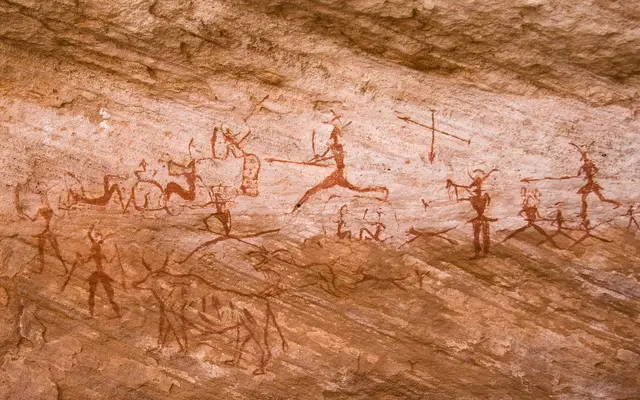
Between 14,500 and 5,500 years ago, the desert was a land of lakes, savannas, and animals. Here is how Earth's orbit and vegetation changed everything.
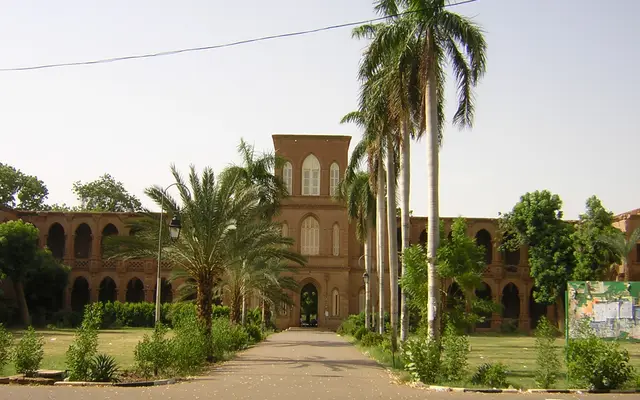
Following the death of student Ahmad al-Qurashi in Khartoum, the country rose up. In ten days, without a coup or civil war, doctors, lawyers, and students brought down six years of military rule.
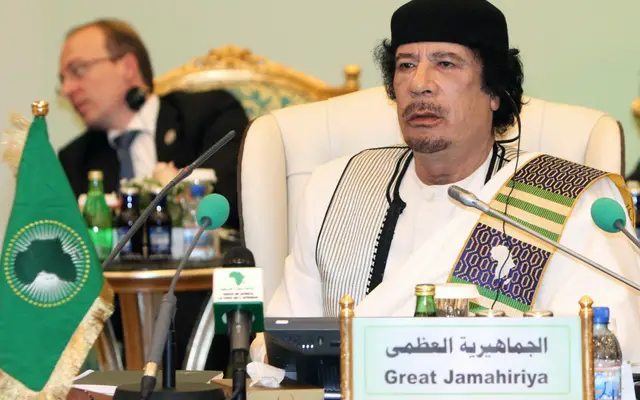
On October 20, 2011, Muammar Gaddafi was captured and then killed in Sirte following a NATO strike on his convoy. Fifteen years later, the executions remain unpunished and the country has two governments.
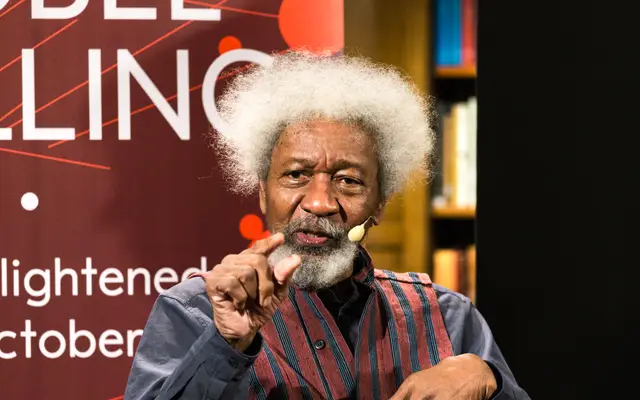
Arrested in 1965, detained for 22 months during the civil war, and forced to flee by motorcycle in 1994: in 1986, Nigerian Wole Soyinka became the first African to win the Nobel Prize in Literature. A portrait of a man who never knew how to stay silent.
74 years ago, Governor Evelyn Baring declared a state of emergency and ordered the roundup of Kenyan nationalist leaders. Eight years of camps, 1,090 hangings according to David Anderson, and a death toll that remains disputed.
The first president of independent Mozambique died at 53 when his plane crashed in South African territory. Pilot error or a decoy beacon: forty years later, no investigation has reached a definitive conclusion.
Two years after proclaiming the independence of the world's first Black state, the former slave was killed by his own officers. Nineteen years later, Paris charged 150 million gold francs for that independence.
65 years ago, tens of thousands of Algerians demonstrated peacefully in Paris against a racist curfew. Maurice Papon's police rounded up, beat, and killed them. The exact death toll remains unknown.
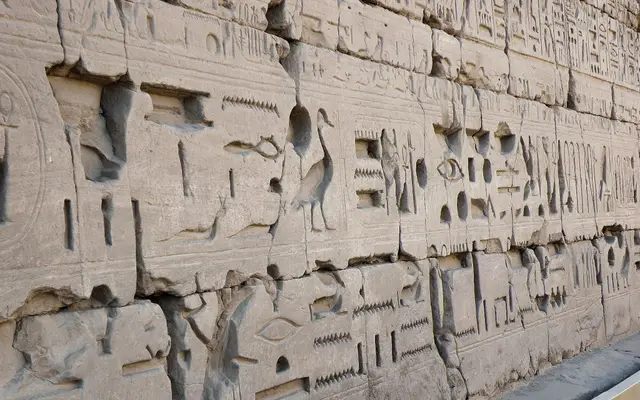
Hieroglyphs, Meroitic, Ge'ez, Timbuktu manuscripts, Tifinagh, Bamum, Vai, N'ko: Africa has been writing for over 5,000 years. A received idea debunked, with evidence to back it up.
At 44, Nelson Mandela appears before the special court in Pretoria in traditional Thembu royal attire and requests the recusal of the magistrate: "a black man in a white man's court."
In a quarter of an hour, Burkina Faso lost its president and twelve of his companions. It took until 2022 for a court to sentence Blaise Compaoré to life imprisonment.
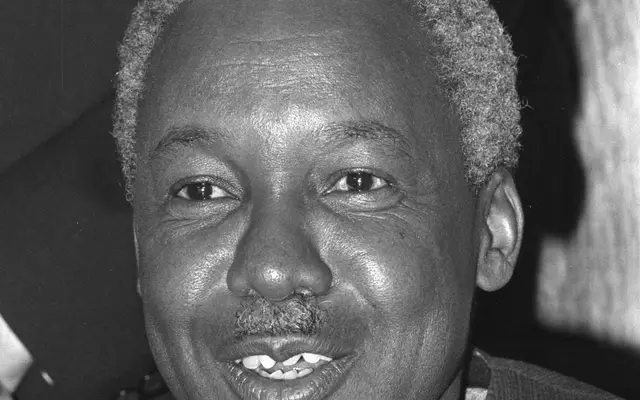
On October 14, 1999, Julius Kambarage Nyerere died in London at the age of 77. The first president of Tanzania had turned his country into a refuge for liberation movements and a laboratory for a contested form of socialism.
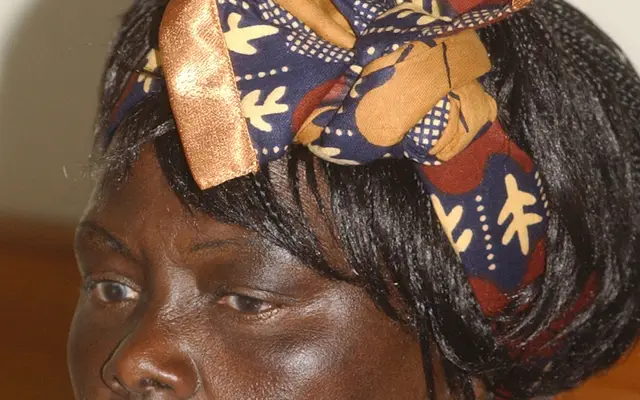
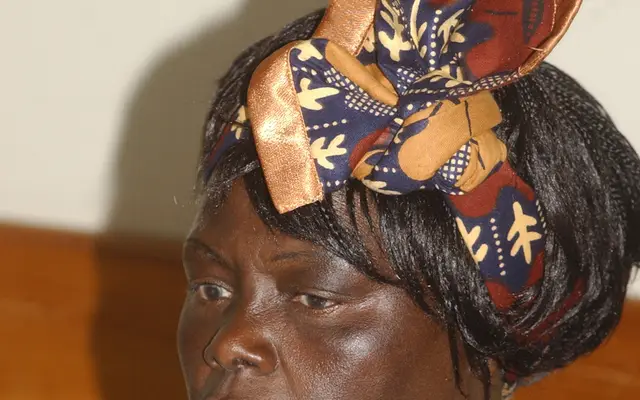
Beaten by police and called 'mad' by the Kenyan president, she planted millions of trees and received the Nobel Peace Prize. The story of an extraordinary life.
On October 13, 1961, 29-year-old Prince Louis Rwagasore was shot dead in Usumbura, fifteen days after his election as the leader of Burundi. Sixty-five years later, the extent of Belgian involvement in the plot remains a subject of debate.
Sentenced to death in 1921 for preaching for six months in the Central Kongo, the Congolese catechist died in detention in Élisabethville on October 12, 1951. His Church, which was banned, now has millions of followers.
64 years ago, Uganda became independent under Milton Obote. A victory achieved 63 years after the deportation to the Seychelles of Omukama Kabalega, who had stood his ground against the British for five years.
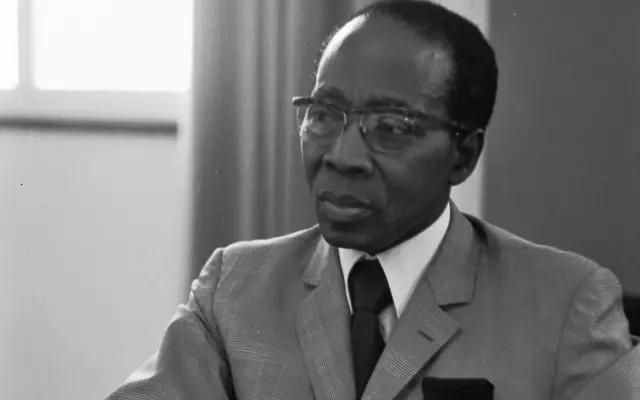
120 years ago, Léopold Sédar Senghor was born in Joal, Senegal: the first African to pass the French university agrégation, the first president of Senegal, and the first African head of state to step down voluntarily.
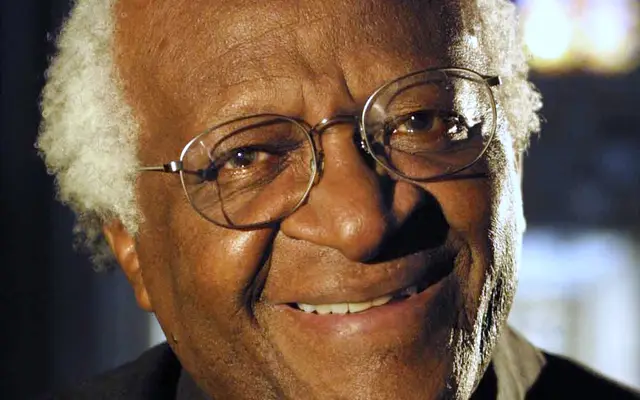
Ninety-five years ago, the priest who championed the South African cause while the ANC was banned, the 1984 Nobel Peace Prize laureate, and the architect of the Truth and Reconciliation Commission was born in Klerksdorp.
Twenty-two years ago, the Nobel Committee honored a Kenyan biologist whom her own government had imprisoned: 30 million trees planted by rural women and a fight for democracy.
On October 5, 1988, the youth of Algiers broke the FLN's monopoly: six days of riots, 159 dead according to the state, more than 500 according to NGOs, and a democratic opening in the Maghreb.
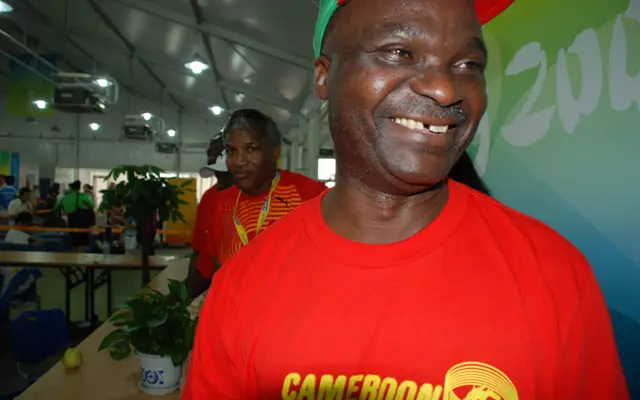
At 38, Roger Milla came out of retirement, danced around the corner flag, and led Cameroon to the World Cup quarter-finals, a first for Africa.
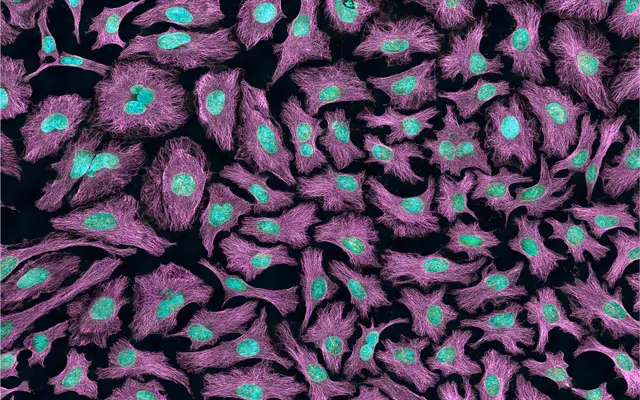
Seventy-five years ago, a 31-year-old African American woman died in Baltimore. Taken without her consent, her HeLa cells have enabled vaccines and treatments, without ever benefiting her own family.
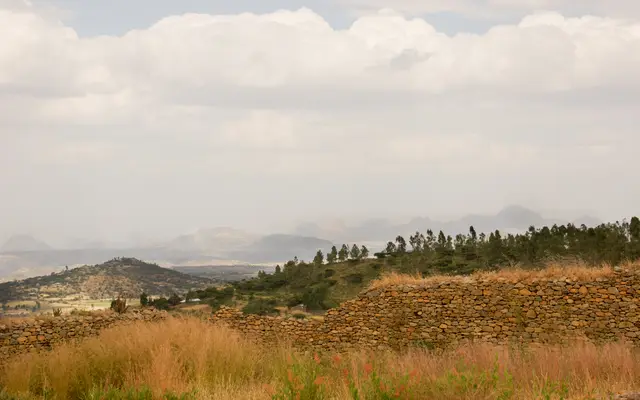
91 years ago, fascist Italy attacked the last great sovereign African state, using mustard gas while the League of Nations looked on with indifference. It was a foundational shock for Pan-Africanism.
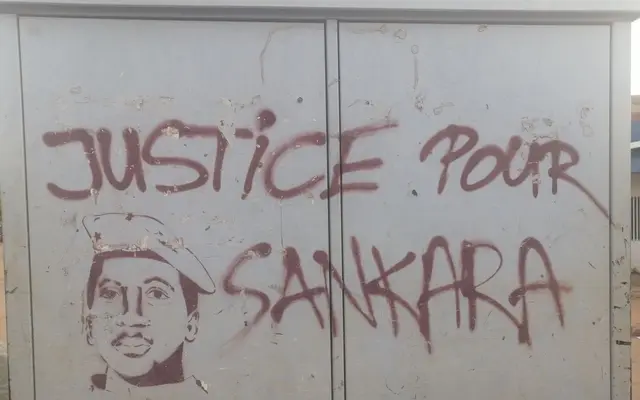
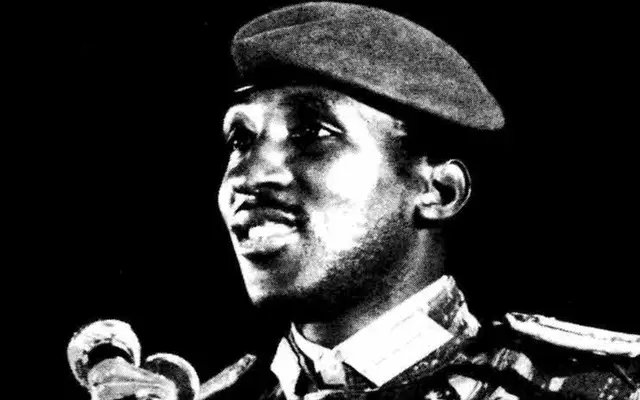
42 years ago, the 34-year-old Burkinabe president took the podium at the United Nations and transformed his country's poverty statistics into an indictment of the global order.