October 24, 1964: Kenneth Kaunda's Zambia is born, and Lusaka becomes the headquarters for liberation struggles
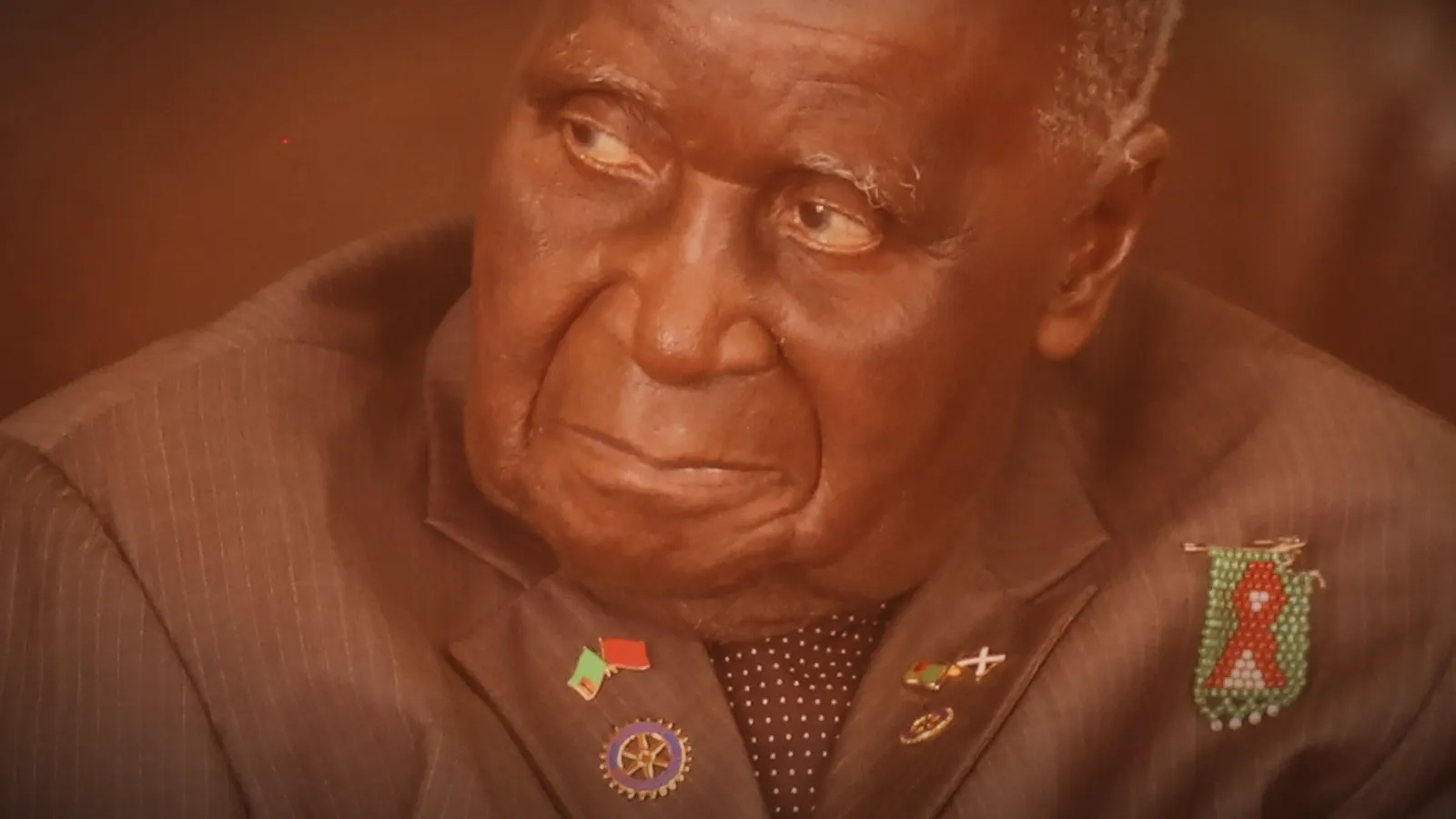
On October 24, 1964, Northern Rhodesia ceased to exist and the Republic of Zambia took its place, with 40-year-old Kenneth Kaunda as its first president. The Zambia Independence Act, the British law organizing this transfer, had received royal assent on July 31, 1964.
Kaunda, born on April 28, 1924, in Lubwa, had fought against the Federation of Rhodesia and Nyasaland created in 1953, which tied the colony to white settlers in the South. In 1958-1959, he broke away from the local ANC, which accepted elections where only a minority of Africans could vote, founded a party that was immediately banned, and was released from prison on January 8, 1960. His UNIP claimed 300,000 members by June 1960, according to Encyclopædia Universalis.
Entered the Olympic Games under one name, left under another
Independence arrived on the final day of the Tokyo Games, held from October 10 to 24, 1964. The delegation of 12 athletes had marched behind a "Northern Rhodesia" sign at the opening ceremony; at the closing, they carried a "Zambia" sign. According to Wikipedia, this is the first time a country entered the Games under one name and left under another.
Lusaka, capital of liberation movements
Zambia was born surrounded: Southern Rhodesia, apartheid South Africa, and Portuguese colonies. Kaunda turned it into a rear base. Lusaka became the headquarters in exile for the South African ANC—Oliver Tambo lived there for years—and hosted the headquarters of the Namibian SWAPO and the Zimbabwean ZANU, notes the Zambian magazine Nkwazi.
The cost was heavy: Rhodesian and South African raids, the Kariba Dam targeted several times, the border with Rhodesia closed in 1973, and trade suffocated, according to the same source. Zambia held out until the independence of Zimbabwe in 1980 and Namibia in 1990.
Copper, then the wear and tear of power
In April 1968, the Mulungushi reforms initiated the state's takeover of the economy: the government took a 51% stake in all the country's mines, then announced in early 1969 that it would take ownership of the two largest, held by Anglo American and Roan Selection Trust. But mining sovereignty did not protect against political drift: Zambia became a one-party state in late 1972—sources differ between February and December—with a Constitution promulgated on August 25, 1973.
Kaunda himself restored multi-party politics in late 1990, after a year marked, according to Universalis, by $7 billion in external debt and over 50% inflation. Defeated on October 31, 1991, by Frederick Chiluba, he handed over power without a coup. He died in 2021.
Key takeaways
On October 24, 1964, Zambia became independent and, for more than twenty years, made Lusaka the rear base for the liberation of Southern Africa. Its history also serves as a reminder that a country can reclaim its mines without escaping debt, nor its founder escaping the wear and tear of power.
This article was written in French with the help of artificial intelligence from the sources cited below, then translated from French automatically. Read the original.
Sources
- Zambia Independence Act 1964 — Wikipédia
- Kenneth Kaunda (1924-2021) — Encyclopædia Universalis
- Zambia's Role in the Liberation of Southern Africa — Nkwazi Magazine
- Northern Rhodesia at the 1964 Summer Olympics — Wikipédia
- ZCCM Investments Holdings (réformes de Mulungushi) — Wikipédia
- Politics of Zambia — Wikipédia
- Timeline of Zambia (Northern Rhodesia) — Wikipédia