October 17, 1961: Algerians thrown into the Seine in Paris, only three deaths acknowledged
On the evening of October 17, 1961, tens of thousands of Algerians in the Paris region demonstrated unarmed against a curfew that targeted them alone. The police under Prefect Maurice Papon rounded up, beat, shot, and threw demonstrators into the Seine. Sixty-five years later, the French state has still not established the number of its dead.
The context was the end of the Algerian War, with the FLN having been in negotiations at Évian since April 1961. The Algerians of the Seine, estimated at 150,000 according to the Larousse encyclopedia, served as targets. On October 5, 1961, the police prefecture imposed a curfew from 8:30 p.m. to 5:30 a.m. on "French Muslims from Algeria." Papon, a former prefect of Constantine, encouraged his men to return "ten blows for every one received."
A peaceful demonstration, a night of manhunt
The France Federation of the FLN called for defying this curfew without responding to provocations. Families marched, including women and children: about 22,000 people according to Larousse, nearly 30,000 according to the 1998 Mandelkern report, cited by AllAfrica.
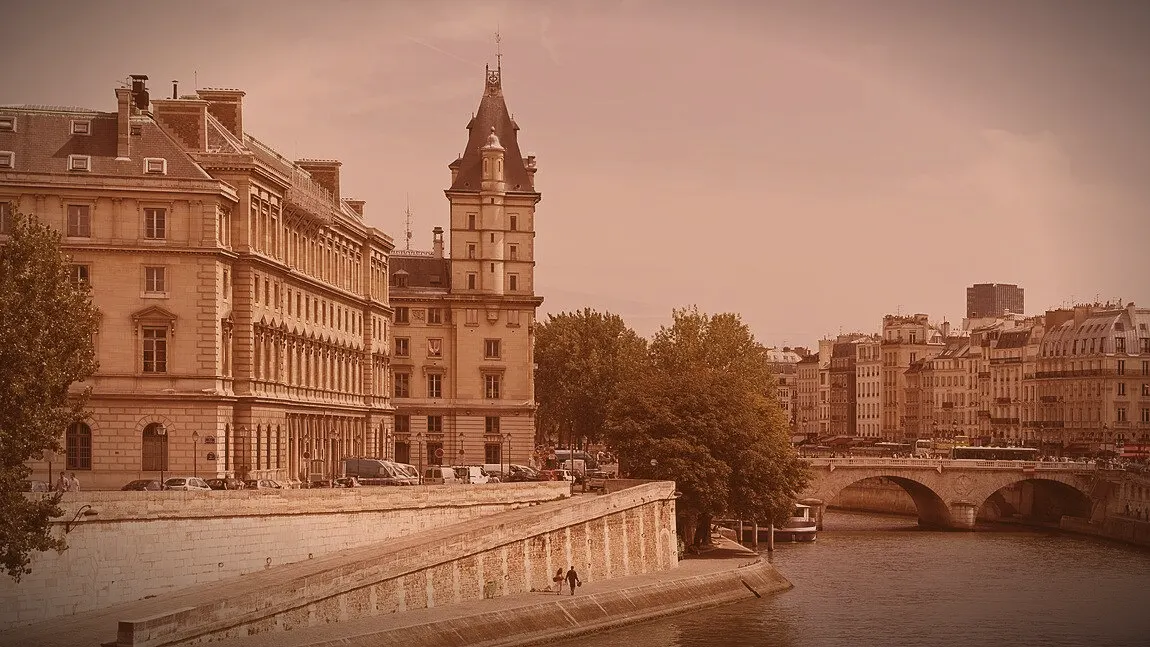
More than 11,000 Algerians were arrested and herded into the Palais des Sports, the Porte de Versailles exhibition center, and the Coubertin stadium, where the violence lasted for several days. Others were shot or thrown into the river near the Pont Saint-Michel, just a few meters from the prefecture.
A death toll the Republic has never established
The number of deaths ranges from 32 to 285 according to sources listed by Larousse. Historian Jean-Luc Einaudi suggested up to 200 victims; Jean-Paul Brunet documented about thirty established murders and up to fifty credible ones. In 1961, the prefecture recognized only two; only three deaths are officially attributed to that night.
This discrepancy is the product of a policy of silence: publications were seized, and a parliamentary commission of inquiry was refused. The photographs of Élie Kagan and testimonies from journalists saved the facts from oblivion, before the police charge at the Charonne metro station on February 8, 1962, overshadowed the affair.
Recognition has come reluctantly: a plaque at the Pont Saint-Michel in 2001, a tribute by François Hollande on October 17, 2012, and crimes deemed "inexcusable for the Republic" by Emmanuel Macron on October 16, 2021, without formal apologies. On March 28, 2024, the National Assembly condemned by 67 votes to 11 a "bloody and murderous repression" carried out under Papon's authority, according to Le Petit Journal.
The national day of commemoration called for by this text has never been added to the official calendar. For Algerian families and the African diaspora in France, the challenge remains the same: open the archives, name the missing, and provide reparations.
Key takeaways
On October 17, 1961, the French police bloodily repressed a peaceful demonstration of Algerians in Paris: between 32 and nearly 300 dead according to historians, with three officially recognized. Sixty-five years later, the names of the missing have yet to be extracted from the archives.
This article was written in French with the help of artificial intelligence from the sources cited below, then translated from French automatically. Read the original.