October 15, 1962: Mandela enters the Pretoria court in leopard skin and challenges his judges
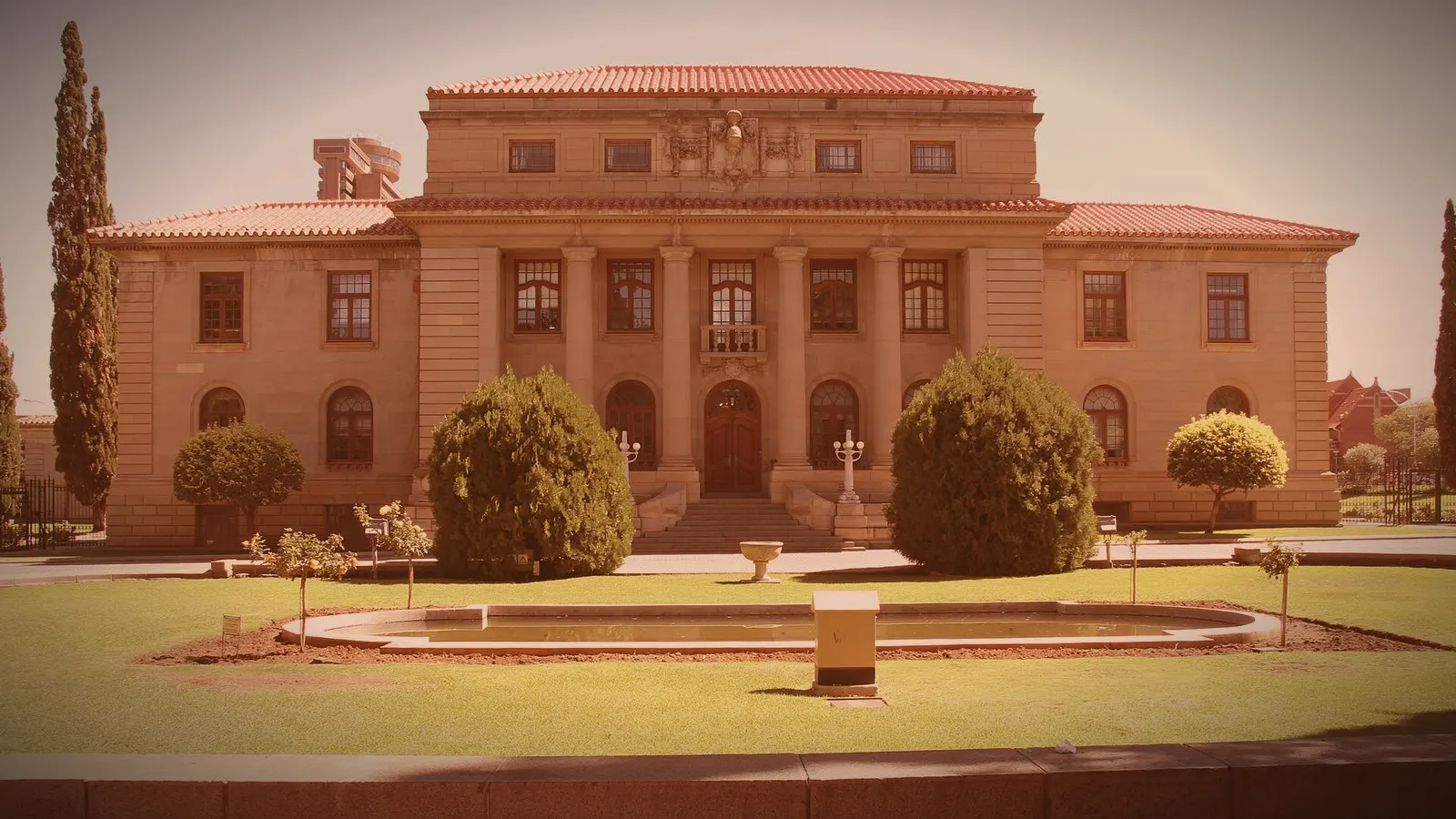
On October 15, 1962, in the former Pretoria synagogue that had become a special court, 44-year-old Nelson Mandela appeared not in a lawyer's suit, but in leopard skin and beads, the insignia of Thembu royalty. Apartheid South Africa thought it was judging an agitator; the man who entered the courtroom presented himself as an African before a foreign justice system. The hearings would continue until November 7, 1962, according to the report published by the United Nations.
A garment that serves as a plea
Among the Thembu, the leopard symbolizes power and majesty, notes the South African daily Mail & Guardian. The effect was "electrifying," Mandela would later say: his mother and his wife Winnie, also in traditional dress, filled the benches; the public sang "Shosholoza Mandela." The magistrate and the police feared an uprising; the authorities would forbid him from wearing what they called his "blanket" outside the courtroom. His own lawyers considered the gesture tribalistic. Mandela, however, had turned the dock into a platform.
"A black man in a white man's court"
He first requested the recusal of Magistrate W.A. van Helsdingen. "I feel that I am unable to expect a fair trial," he declared, because sitting there "makes me feel that I am a black man in a white man's court" (UN report). His argument: a justice system from which Africans are excluded—they do not vote, do not write the laws, and do not judge—has no authority to convict them. The request was rejected.
Two charges were brought against him: inciting a general strike on May 29, 30, and 31, 1961, against the proclamation of a republic reserved for whites—more than 40% of the Rand's workforce had stopped working, according to South African History Online (SAHO)—and leaving the country without a passport. Arrested on August 5, 1962, at a roadblock near Howick, upon returning from a pan-African tour and military training in Morocco, he pleaded not guilty.
From five years to life imprisonment
On November 7, 1962, the sentence was handed down: three years for incitement, two years for illegal departure, five years in total. Six months in Pretoria Central Prison, then Robben Island. The repression did not stop there: on June 12, 1964, at the Rivonia Trial, Mandela and six co-defendants, including Walter Sisulu and Govan Mbeki, were sentenced to life imprisonment for sabotage, according to SAHO.
Sources differ on one point: SAHO places the first hearing on October 13, 1962, while the UN report and the South African press cite October 15.
Key takeaways
On October 15, 1962, Mandela turned his trial into a political act: challenging a court that excluded Africans, and doing so while wearing the dignity of his people.
This article was written in French with the help of artificial intelligence from the sources cited below, then translated from French automatically. Read the original.