October 15, 1987: Thomas Sankara gunned down at 37, thirteen dead and thirty-four years of waiting
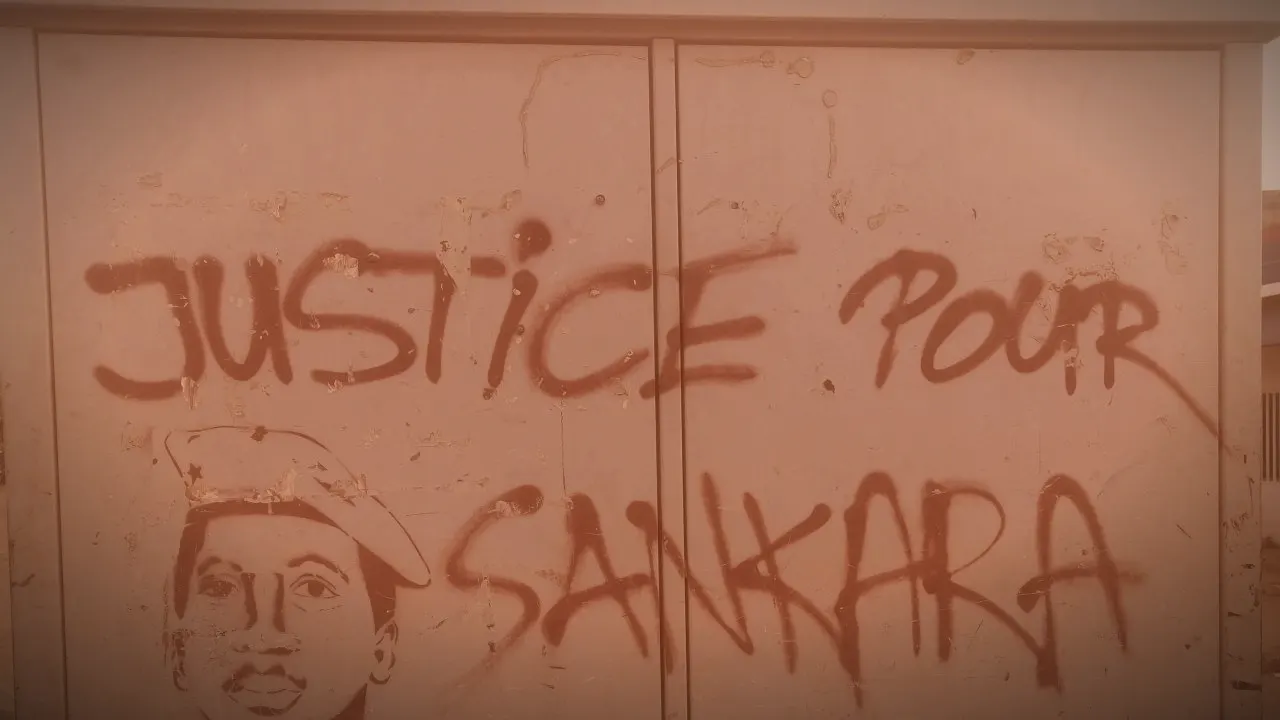
On October 15, 1987, around 4:15 p.m., Thomas Sankara opened a meeting in the former premises of the Conseil de l'Entente in Ouagadougou. A quarter of an hour later, gunmen shot his driver and bodyguards, then opened fire in the room. The president of Burkina Faso walked out with his hands raised, shouting "it's me they want," according to an account by the pan-African site Africa Is A Country; he was killed on the spot. He was 37 years old. Twelve companions fell with him: thirteen dead, only one survivor.
Four years of forced-march revolution
Born on December 21, 1949, in Yako, according to Encyclopædia Britannica, Sankara came to power on August 4, 1983, and a year later renamed Upper Volta to Burkina Faso, "the land of upright men." In four years, his government vaccinated approximately 2.5 million children against meningitis, yellow fever, and measles, planted more than ten million trees to combat desertification, dug wells, and nationalized land, report Pambazuka News and the reference site thomassankara.net. More than 350 communities built their own schools with their own hands.
Women's rights were at the heart of the project: female genital mutilation, forced marriage, and polygamy were banned, women were appointed to the government and recruited into the army, and pregnancy leave was granted during studies. Sankara even introduced a day of solidarity where men had to go to the market and take care of the household. Researcher Amber Murrey notes, however, in Pambazuka News, that the presence of women in power did not automatically equate to equality.
A strong legacy, figures to be handled with caution
Story Africa does not turn this legacy into an untouchable icon: the most cited figures deserve caution. The literacy rate, which rose from 13% in 1983 to 73% in 1987, as cited by thomassankara.net, remains a disputed estimate, and Pambazuka suggests instead a school enrollment rate of about 12% that may have doubled in two years. The number of vaccinated children varies, depending on the source, between two and 2.5 million.
Thirty-four years before the verdict
From the evening of October 15, 1987, Blaise Compaoré, a comrade-in-arms turned rival, became president. He denied any involvement, claiming he had stayed home sick, and held power for twenty-seven years, until the 2014 insurrection. The citizen movement Balai Citoyen had made impunity for Sankara and journalist Norbert Zongo a lever for mobilization: without this activist work, the trial would not have taken place, The Conversation estimates.
Opened in October 2021, more than thirty-four years after the events, the trial before the Ouagadougou military tribunal concluded on April 6, 2022: eleven men were found guilty of attacking state security, complicity in murder, and concealment of a corpse. Compaoré was sentenced to life imprisonment in absentia—having taken refuge in Côte d'Ivoire, he was never extradited—as were Hyacinthe Kafando and Gilbert Diendéré. The other sentences ranged from three to twenty years in prison, and three defendants were acquitted, details the Burkinabe media outlet Burkina24.
Key takeaways
On October 15, 1987, in a quarter of an hour, Burkina Faso lost a 37-year-old president and twelve of his companions. It took thirty-four years and a popular insurrection for an African court to name the culprits, and the main person convicted still lives free outside the country.
This article was written in French with the help of artificial intelligence from the sources cited below, then translated from French automatically. Read the original.
Sources
- Thomas Sankara — Encyclopædia Britannica
- October 15, 1987: The Murder of Thomas Sankara — Africa Is A Country
- Sankara, la révolution et l'émancipation des femmes — Pambazuka News
- Facts about Thomas Sankara in Burkina Faso — thomassankara.net
- Guilty verdict in Sankara trial shows power of activists to fight impunity — The Conversation
- Procès Sankara : Compaoré, Kafando et Diendéré condamnés à la prison à vie — Burkina24