October 14, 1999: Death of Mwalimu Nyerere, the man who made Dar es Salaam the rear base for African liberation
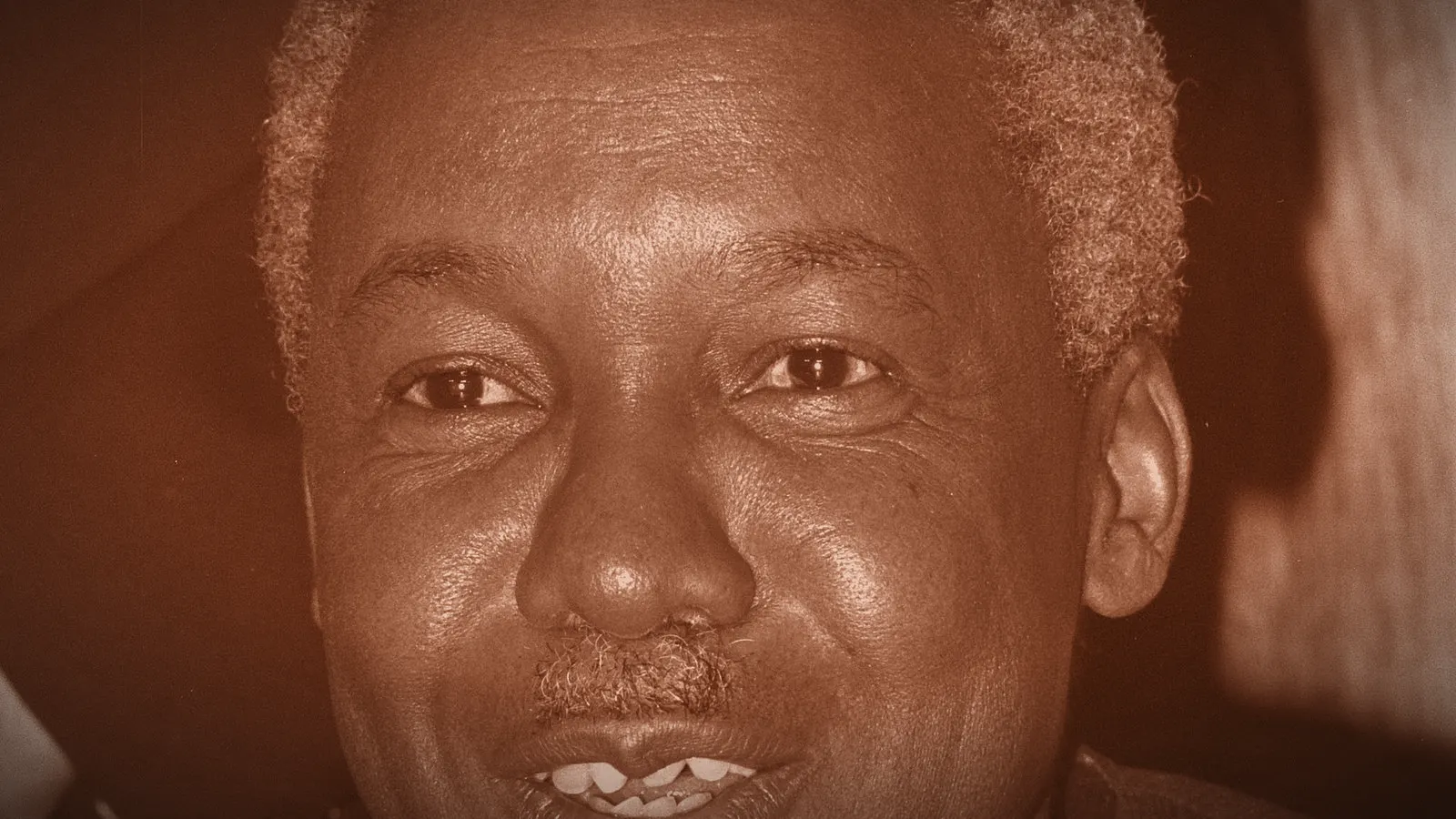
On October 14, 1999, Julius Kambarage Nyerere died in London at the age of 77 from leukemia. Tanzania lost the man whom the entire country simply called Mwalimu, "the teacher" in Swahili. October 14 has since been Nyerere Day, dedicated to the memory of the "father of the nation," according to the Tanzania High Commission in Abuja.
Dar es Salaam, capital of the guerrillas
Prime Minister and then President of independent Tanganyika from 1961, Nyerere sealed the union with Zanzibar on April 26, 1964, which would take the name of the United Republic of Tanzania. He was also, as Britannica recalls, one of the founders of the Organization of African Unity in 1963.
His most significant decision was to open his country to the fighters of others. Dar es Salaam hosted the OAU liberation committee and became the rear base for the Mozambican FRELIMO, the Angolan MPLA, the Zimbabwean ZANU, the Namibian SWAPO, and the South African ANC, according to Wikipedia. The political map of Southern Africa was partly written there. And when Idi Amin Dada's Uganda attacked Tanzania in late 1978, the Tanzanian army repelled the offensive and then ousted the dictator in April 1979.
Ujamaa: a promise and a constraint
On February 5, 1967, Nyerere published the Arusha Declaration, a manifesto for Tanzanian socialism and self-reliance: money, he wrote, is "the result and not the basis of development." The state took control of the main means of production and education became a priority. The educational result was real: according to data compiled by Wikipedia, adult literacy rose from 17% in 1960 to 63% in 1975.
But villagization, initially voluntary, became forced with Operation Vijiji: more than seven million people were moved to new villages between September 1973 and June 1975, and about four million more until the end of 1976, according to the same sources. Food production declined, the country became dependent on food aid, and the 1962 Preventive Detention Act allowed for imprisonment without trial. Historians remain divided on this record: utopian dirigisme for some, a deliberate attempt to break away from the colonial model for others.
Leaving of his own free will
On November 5, 1985, Nyerere voluntarily stepped down from the presidency and made way for Ali Hassan Mwinyi, who would undo part of his economic legacy. When most of his counterparts clung to power, this chosen departure established his moral authority on the continent.
Key takeaways
Nyerere left behind a poor but united and literate Tanzania, and a lesson that Africa has not finished pondering: a country's sovereignty is also measured by what it is willing to spend for the freedom of others.
This article was written in French with the help of artificial intelligence from the sources cited below, then translated from French automatically. Read the original.