October 13, 1961: Louis Rwagasore shot dead fifteen days after taking the helm of Burundi
On October 13, 1961, Prince Louis Rwagasore was dining on the terrace of the Tanganyika Hotel in Usumbura, now Bujumbura, surrounded by friends and ministers. A sniper positioned about twenty meters away struck him in the throat. The Prime Minister of Burundi died on the spot at the age of 29, just fifteen days after taking office.
A prince who chose the side of the colonized
Born on January 10, 1932, in Gitega, the eldest son of Mwami Mwambutsa IV, and educated in Rwanda and later at the University of Antwerp, Rwagasore renounced the chieftaincy offered by his father to pursue the nationalist struggle. He founded Uprona, which was officially recognized on January 7, 1960.
His platform was confrontational: at the party's first congress in March 1960, he demanded total independence and called for a boycott of Belgian shops and a refusal to pay taxes. He had already clashed with the colonial administration by supporting peasant cooperatives intended to return control of harvests to the Burundian people, as noted by historian Christine Deslaurier and academic Domitien Nizigiyimana. Placed under house arrest in late October 1960, he was not released until December 9.
A landslide victory, then a bullet
On September 18, 1961, in legislative elections supervised by the UN, Uprona won 58 of the 64 seats. On September 28, 51 deputies elected Rwagasore as Prime Minister by secret ballot. Fifteen days later, he was killed.
The shooter, Ioannis Kageorgis, a Greek national, was arrested within three days and executed by firing squad on June 30, 1962, the day before independence. Investigators identified the masterminds as Jean-Baptiste Ntidendereza and Joseph Biroli, officials of the PDC, the rival party supported by Brussels. After the initial trials were annulled, a judgment on November 27, 1962, sentenced five men to death; they were hanged in public on January 15, 1963.
How far did Belgium go?
Historians have not reached a consensus. The commission sent by the UN General Assembly at the time ruled out any complicity by the colonial administration. However, former governor Jean-Paul Harroy, in his 1987 memoirs, deemed it unreasonable to deny Belgian support for the conspirators. Sociologist Ludo De Witte, in "Meurtre au Burundi" (2021), concluded that Resident Roberto Régnier was complicit, citing a witness who claimed that Régnier had said on September 21, 1961, that Rwagasore had to be killed. Other researchers, such as Helmut Strizek, see it primarily as a rivalry between the Bezi and Tare noble lineages.
On October 14, 2018, the Burundian government officially accused Belgium of having orchestrated the murder. No investigation has progressed since: as with Patrice Lumumba, who was killed nine months earlier, the case remains open.
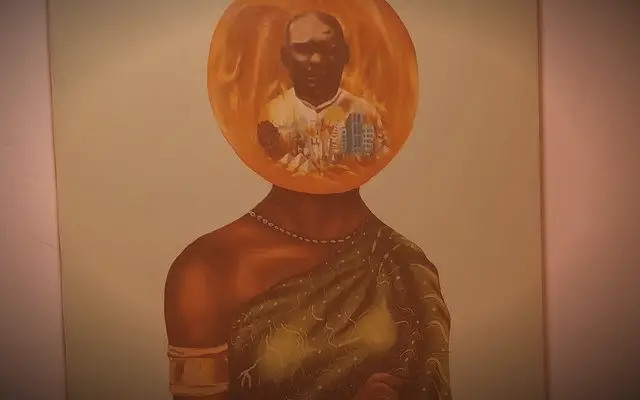
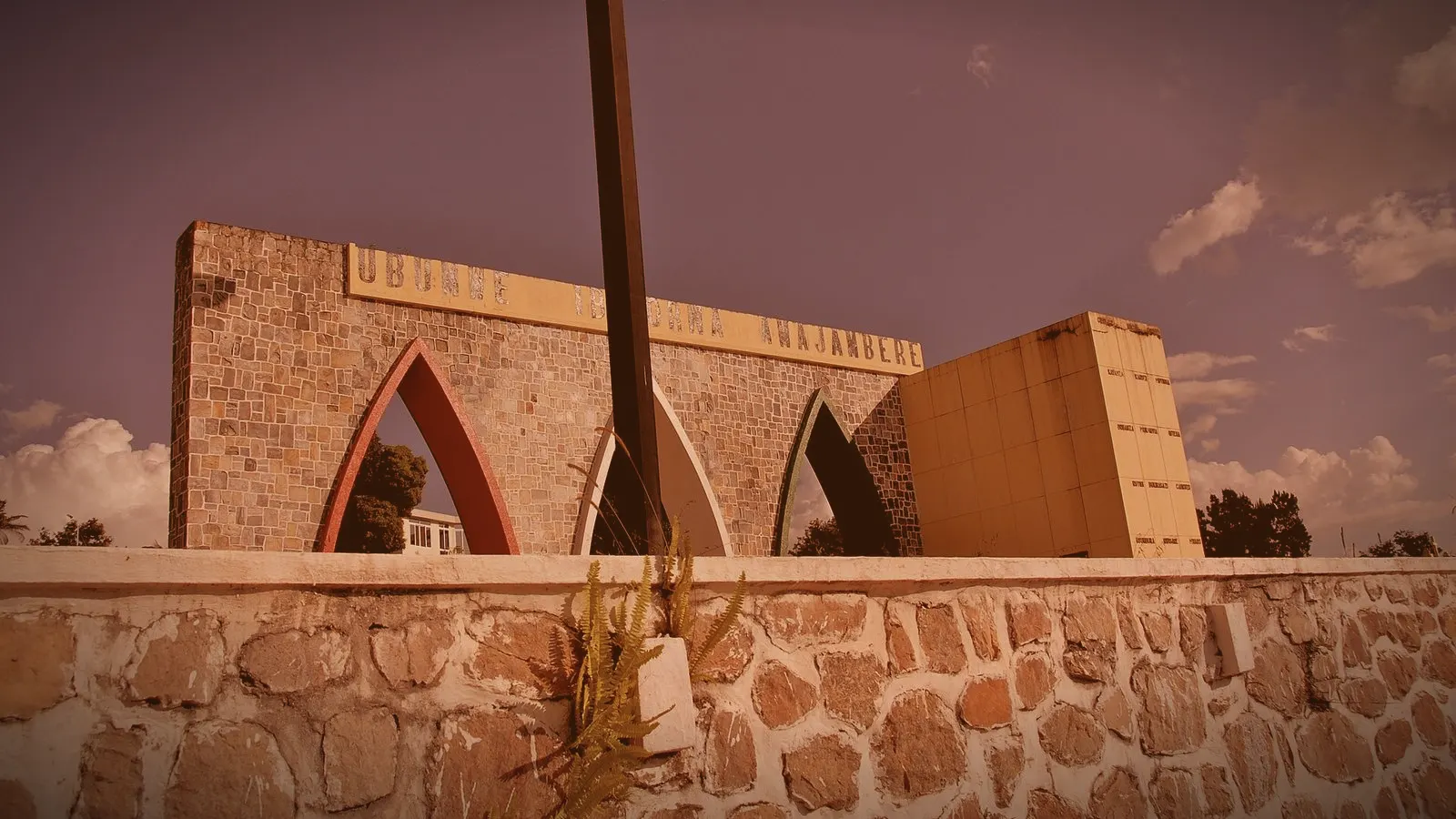
In Burundi, Rwagasore is the subject of a rare consensus in a fractured political landscape: his portrait adorns government offices, banknotes, and stamps, and every October 13, authorities, family members, and civil society gather at his mausoleum in Bujumbura.
Key takeaways
A head of government elected at 29 by an overwhelming majority was shot dead fifteen days after his inauguration, and sixty-five years later, no judicial process has established the extent of the former Belgian colonial power's role in the plot.
This article was written in French with the help of artificial intelligence from the sources cited below, then translated from French automatically. Read the original.
Sources
- Louis Rwagasore — Wikipedia (notice encyclopédique détaillée)
- C. Deslaurier et D. Nizigiyimana, introduction à « Paroles et écrits de Louis Rwagasore » (IRD / Karthala-Iwacu, 2012)
- Ludo De Witte, « Meurtre au Burundi. La Belgique et l'assassinat de Rwagasore » — AfricaMuseum
- Hommage au prince Louis Rwagasore — Iwacu (Burundi)
- Louis Rwagasore — Wikipédia (fr)