October 12, 1951: Simon Kimbangu dies after 30 years in Belgian colonial prisons
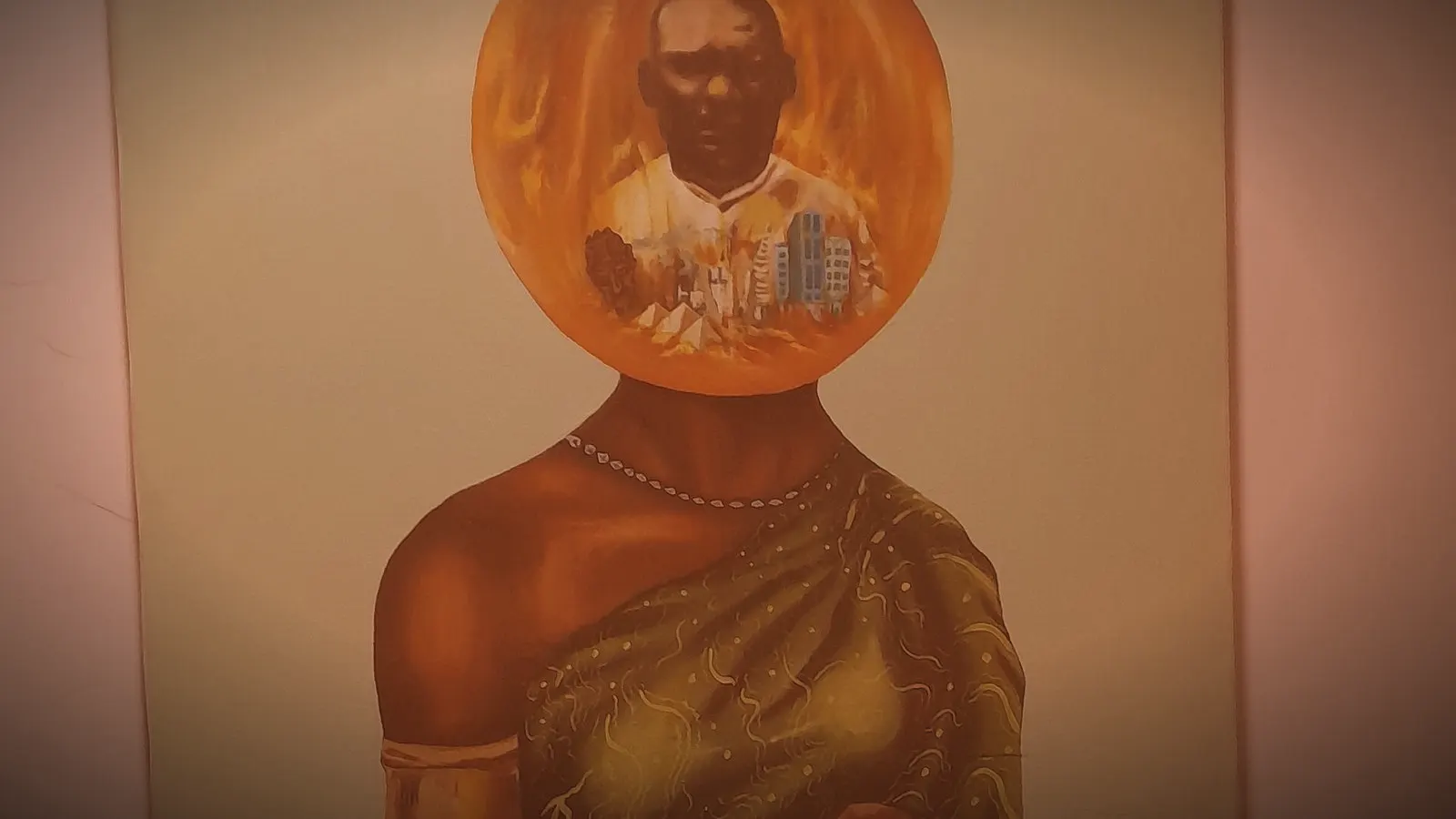
On October 12, 1951, Simon Kimbangu died in the prison of Élisabethville, in Katanga (now Lubumbashi), after thirty years of detention. This catechist from the Central Kongo had been sentenced to death by a Belgian military court on October 3, 1921, for preaching before crowds that the colonial administration deemed uncontrollable.
Six months of preaching, thirty years in a cell
His public ministry lasted only a few months. On April 6, 1921, he healed a young woman, Nkiantondo: this date is recognized as the founding of his Church, according to the World Council of Churches. In May, thousands of pilgrims converged on his village of Nkamba. On June 6, he escaped a column of the Force Publique; he was arrested on September 12, 1921, according to the chronology established by the World Religions and Spirituality Project (Virginia Commonwealth University).
The trial was held without a lawyer. Tried for endangering public safety, he was sentenced to death on October 3, 1921. King Albert I commuted the sentence to life imprisonment the following month, after a petition from colonial administrators and Baptist missionaries, reports the Dictionary of African Christian Biography (Boston University). He was incarcerated in Stanleyville, then in Élisabethville, about 2,000 kilometers from his native village.
Mass repression, long kept silent
The colonial machine did not stop with him. Kimbanguism was banned and its followers were relegated to the four corners of the colony: 37,000 families were deported between 1921 and 1951, according to the World Council of Churches. Starting in 1940, the most prominent exiles were placed in guarded labor camps, where many died.
Historians differ on his birth: the Kimbanguist Church recognizes September 12, 1887, a date it set itself in the absence of civil records, while several academic studies place it in September 1889. Kimbangu himself refused the title of prophet and presented himself as the "special envoy" of Jesus Christ, a phrase that has become part of the official name of his Church.
The Church the colony wanted to erase
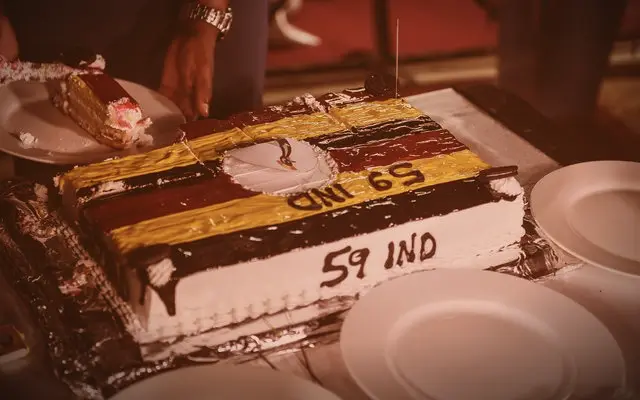
The Belgian state finally recognized the Church of Jesus Christ on Earth by His Special Envoy Simon Kimbangu on December 24, 1959, six months before the independence of the Congo. In 1960, the founder's remains were brought back to Nkamba, which had become a place of pilgrimage. The Church joined the World Council of Churches in 1969 and today has several million followers, from the Congo to the diasporas in Europe and America.
Key takeaways
Thirty years in prison for six months of preaching: the death of Simon Kimbangu on October 12, 1951, serves as a reminder that in the Belgian Congo, an autonomous African faith was considered a political crime. A century later, the Church born in Nkamba has outlived the empire that banned it.
This article was written in French with the help of artificial intelligence from the sources cited below, then translated from French automatically. Read the original.
Sources
- Simon Kimbangu — Wikipédia (anglais)
- Kimbangu, Simon — Dictionary of African Christian Biography (Boston University)
- Kimbanguist Church (EJCSK) Timeline — World Religions and Spirituality Project
- Église de Jésus Christ sur la terre par son envoyé spécial Simon Kimbangu — Conseil œcuménique des Églises
- Simon Kimbangu — Wikipédia (français)