October 9, 1962: Uganda ends 68 years of British protectorate
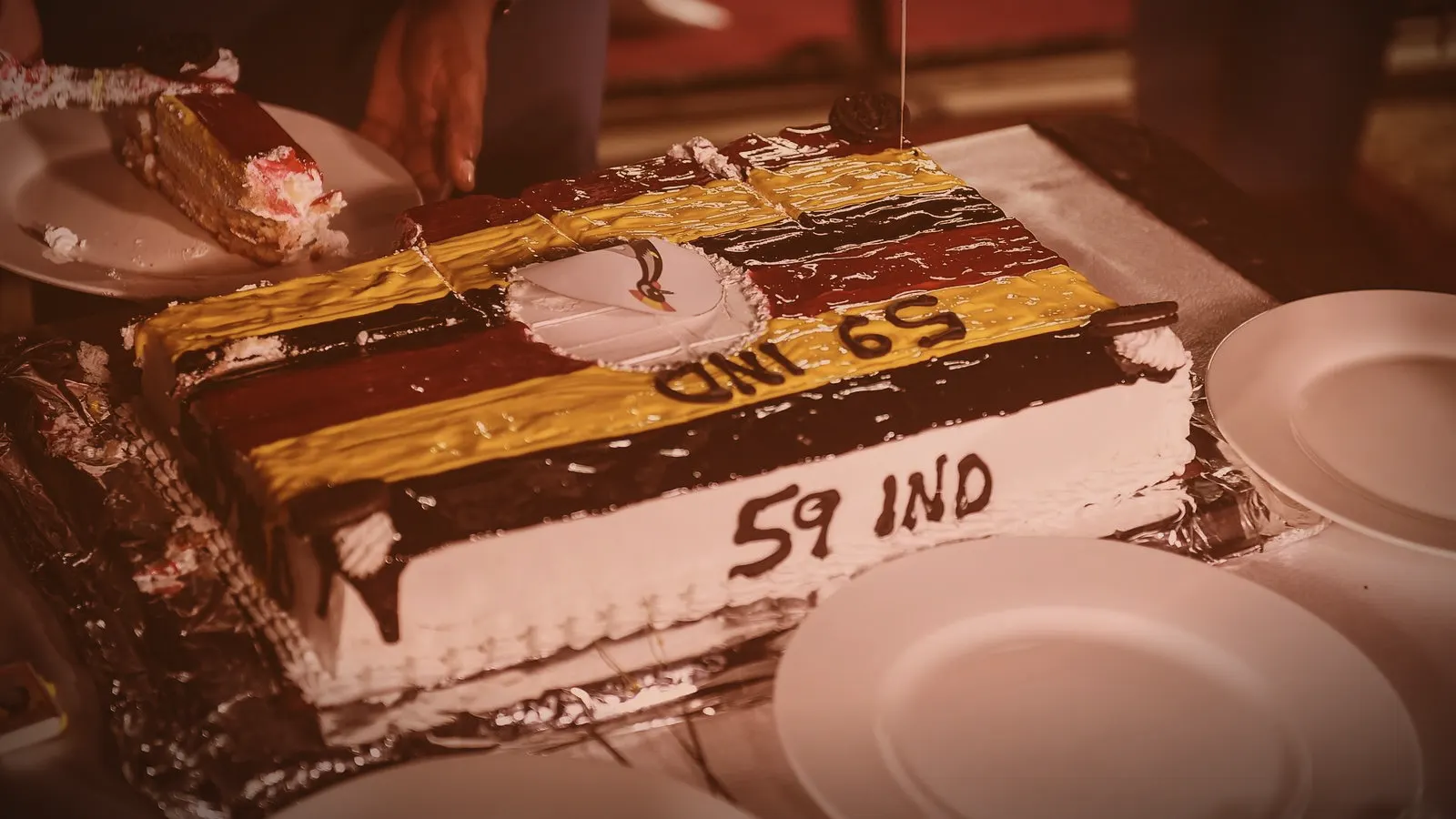
On October 9, 1962, Uganda gained independence, ending sixty-eight years of British protectorate. Milton Obote became Prime Minister of a country with approximately six million inhabitants. The emancipation remained partial: Elizabeth II remained Queen of Uganda, represented by a Governor-General, Sir Walter Coutts.
Before the flag, a king who never yielded
This territory was not, however, conquered without a fight. In the kingdom of Bunyoro, Omukama Cwa II Kabalega, born on June 18, 1853, stood up to empires: in 1872, he defeated the troops of Sir Samuel Baker. With his abarusura, a standing army, he resisted for nearly five years the war declared on January 1, 1894. Sources differ on the dates of his reign: 1869-1899 or 1869-1898.
On April 9, 1899, wounded by a gunshot to the arm, Kabalega was captured alongside his ally, Kabaka Mwanga II of Buganda, by Baganda chiefs who had sided with the British. Deported to Kismayu and then to the Seychelles, he spent twenty-four years there and died in Jinja on April 6, 1923, on his way home. The Ugandan daily newspaper Daily Monitor notes that for a long time he had neither a street nor a statue in Kampala, while the colonial narrative portrayed him as a tyrant.
A protectorate, a tax, a fracture
The placement under British protection was announced on June 18, 1894. The 1900 agreement sealed the system: it strengthened the Bakungu chiefs of Buganda and established a tax on huts and guns. London governed through Buganda and deepened an imbalance between the south and the north from which Ugandan political life has never recovered.
On November 30, 1953, Governor Andrew Cohen deposed and deported Kabaka Mutesa II to London, as he was hostile to a proposed East African federation. Two years later, Cohen was forced to reinstate him: Mutesa returned to Kampala on October 17, 1955, as a constitutional monarch.
A victory, then disillusionment
In the April 1962 elections, Obote's UPC won 43 seats, the royalist Kabaka Yekka party 24, and Benedicto Kiwanuka's Democratic Party 24. Their alliance brought Obote to power. On October 9, 1963, exactly one year after independence, Uganda became a republic and Mutesa II assumed an honorary presidency.
The partnership did not last: a rupture occurred in August 1964, five ministers were arrested in February 1966, the Constitution was suspended, and then the royal palace was stormed on May 24, 1966, by Colonel Idi Amin Dada, then a protégé of Obote. Mutesa fled and died in London on November 21, 1969. The sovereignty of the citizens, however, remained to be won.
Key takeaways
On October 9, 1962, Uganda regained control of its destiny. But this date remains inseparable from April 9, 1899, when the British Empire deported Kabalega to the Seychelles for refusing to submit.
This article was written in French with the help of artificial intelligence from the sources cited below, then translated from French automatically. Read the original.