October 7, 1931: Birth of Desmond Tutu, the voice that brought apartheid to its knees
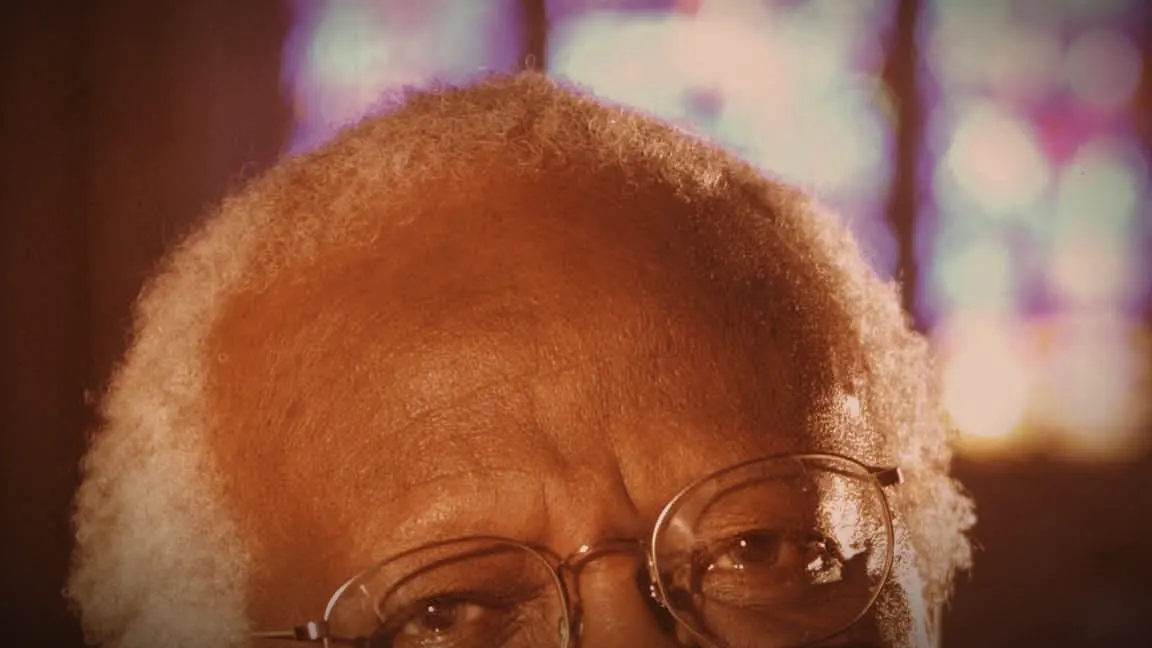
On October 7, 1931, Desmond Mpilo Tutu was born in Klerksdorp, in the Transvaal, South Africa. His father ran a Methodist primary school, and his mother was a cook at an institute for the blind in Johannesburg. Ninety-five years later, this son of a country that classified humans by the color of their skin remains the moral conscience that disarmed apartheid.
The voice of those who had been silenced
Ordained as an Anglican priest at the turn of the 1960s—sources differ between 1960 and 1961—Tutu spoke when almost no one else could: the ANC was banned, Nelson Mandela was serving his sentence on Robben Island, and activists were in exile, in prison, or dead. The pulpit became a platform that the regime did not know how to ban.
On May 6, 1976, he wrote to Prime Minister John Vorster to warn him that the anger of Black South Africans was about to boil over. Six weeks later, the police opened fire on students in Soweto. In March 1978, having become the general secretary of the South African Council of Churches, he called for economic sanctions against his own country: Pretoria saw this as treason.
In 1984, the Nobel Committee awarded him the Peace Prize, hailing his role as a "unifying leader" in the non-violent campaign against apartheid. On September 7, 1986, he became Archbishop of Cape Town: the first Black person to head the Anglican Church of Southern Africa.
Telling the truth, even to one's own
After apartheid, Mandela entrusted him with the Truth and Reconciliation Commission, created by the Promotion of National Unity and Reconciliation Act No. 34 of 1995. The gamble was unprecedented: to exchange amnesty for public confession, rather than judging the perpetrators or forgetting them. Out of 7,112 amnesty applications, 849 were granted and 5,392 were refused, reports South African History Online. On October 28, 1998, the commission released a report that condemned the crimes of both sides—including those committed in the name of liberation.
This refusal of partisan indulgence never left him. In May 2013, in the British magazine Prospect, the man who had voted for the ANC his entire life announced that he would no longer do so: he "could not, very sadly, vote for them," denouncing corruption and persistent inequalities.
Desmond Tutu died on December 26, 2021, in Cape Town, at the age of 90. He left behind a lesson that many leaders would prefer to forget: the dignity of a people is not negotiated with a colonizer or with a liberator who has become powerful.
Key takeaways
Born on October 7, 1931, Desmond Tutu transformed a church pulpit into a weapon against apartheid, and then demanded from Black power what he had demanded from white power. His Truth and Reconciliation Commission remains the most discussed African model of justice following state violence.
This article was written in French with the help of artificial intelligence from the sources cited below, then translated from French automatically. Read the original.
Sources
- Desmond Tutu – Facts, The Nobel Prize
- Truth and Reconciliation Commission (TRC), South African History Online
- Desmond Mpilo Tutu Timeline, South African History Online
- Desmond Tutu, extracts from letter to Prime Minister John Vorster, 6 May 1976
- Does Tutu still count?, Daily Maverick
- Desmond Tutu, Wikipedia