Gorée, the Island of Memory of the Atlantic Slave Trade: Its History and What Historians Say
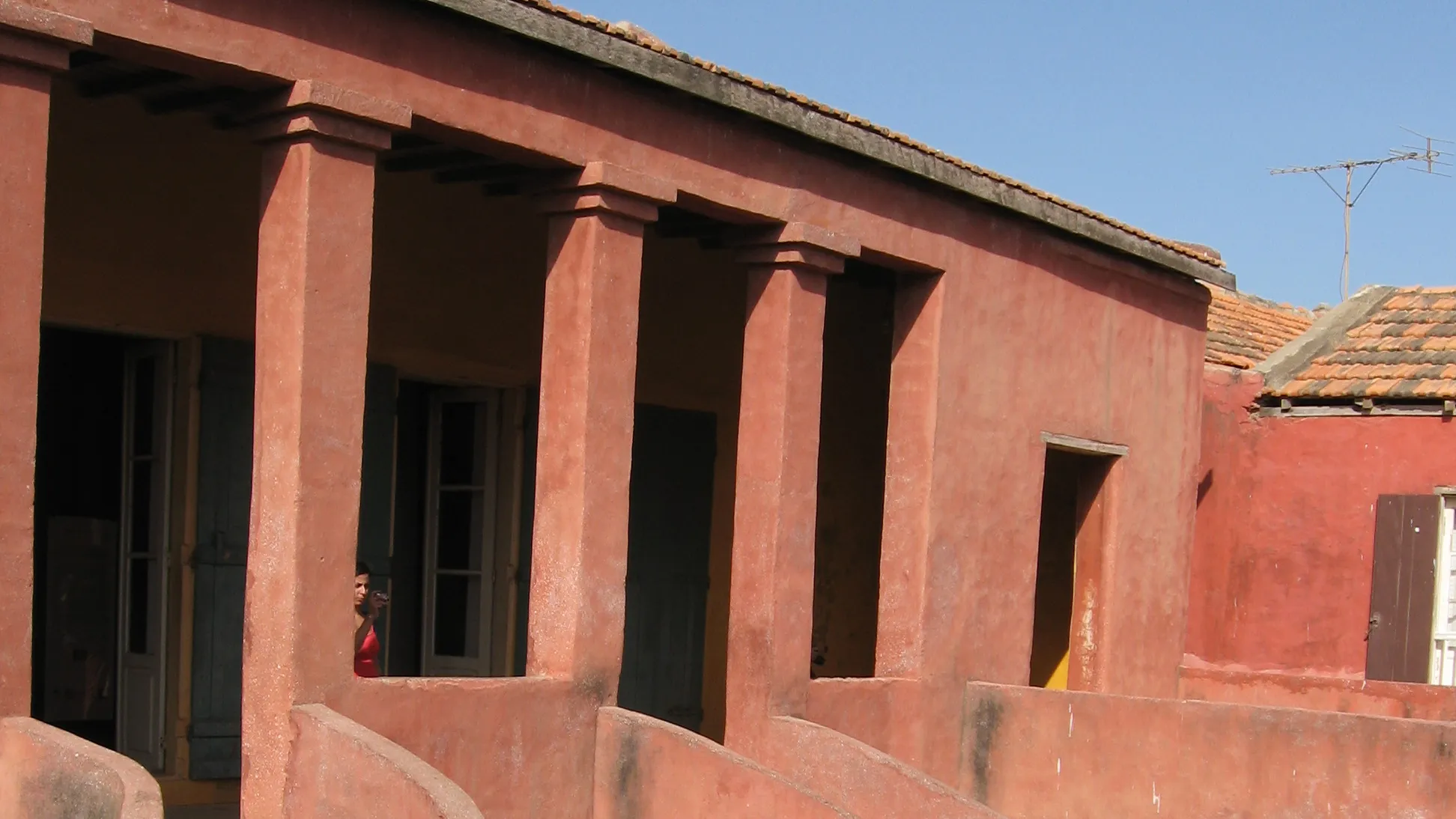
A short boat ride from the center of Dakar, a small car-free island attracts visitors from all over the world every year. Many leave deeply moved. Welcome to Gorée, one of the great sites of memory of the Atlantic slave trade.
A small island facing Dakar
Gorée is an 18.2-hectare island, 900 meters long and 350 meters wide, located 2 km from the port of Dakar and protected by the Cap-Vert peninsula. Today, it is one of the 19 municipal districts of Dakar, the smallest and least populated: 1,680 inhabitants in 2013. Almost devoid of fresh water, it was not inhabited before the arrival of Europeans, even though the inhabitants of the nearby coast frequented it. Its name comes from the Dutch Goeree.
A coveted stopover
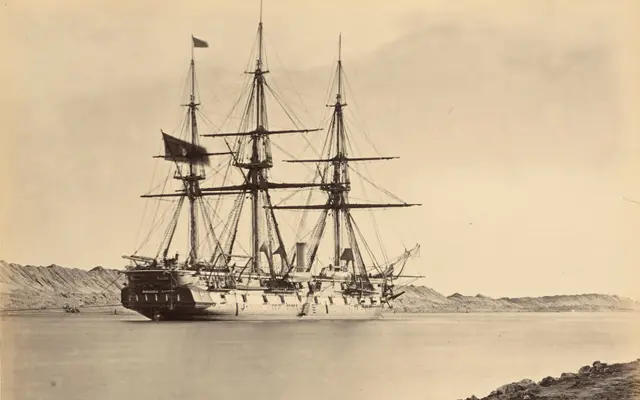
Gorée is one of the first places in Africa frequented by European merchants: the Portuguese settled there as early as 1444. In the 17th century, the Dutch West India Company built a fort there. In 1677, a French fleet seized the island, which remained primarily French until 1960, despite several periods of British occupation, notably from 1758 to 1763.
The signares
In the 18th century, the island's economic life relied largely on the signares, mixed-race women who were the daughters of African women and European merchants. They owned ships and houses and managed clerks. Archaeological sources show a society where free Africans and enslaved people, who made up half the population, lived side by side with Europeans and Afro-Europeans. Most of the enslaved people recorded on the island were domestic servants.
The House of Slaves
The House of Slaves was built at the end of the 18th century by the Pépin family, linked to the signare Anne Pépin. The family owned ships and participated in the slave trade; the house served as a detention center for captives destined for export. The conditions there were terrible: locked in dark, airless cells, chained to the floor, captives spent entire days there, families were separated, and many died before reaching the ships.
The museum and the "Door of No Return"
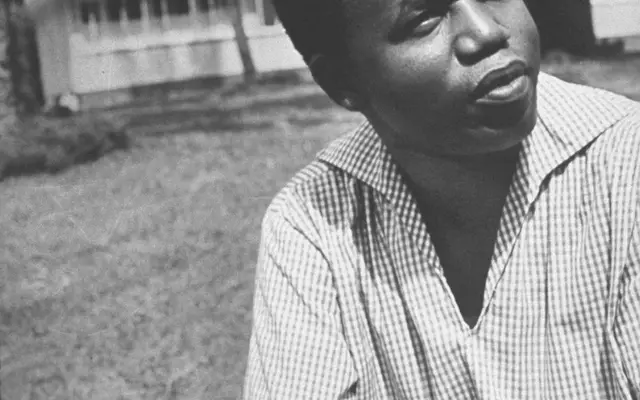
In 1962, the house was rebuilt and became a museum, largely thanks to Boubacar Joseph Ndiaye (1922-2009), who remained its curator until his death. His tours, centered around the "Door of No Return" opening onto the ocean, have deeply moved generations of visitors and made the house a destination for visiting foreign heads of state.
What historians say
The exact role of Gorée in the slave trade is a subject of debate. Boubacar Joseph Ndiaye estimated that more than a million captives had passed through the house; UNESCO presents Gorée as the largest slave-trading center on the African coast from the 15th to the 19th century. Many historians consider these figures too high. In 1969, historian Philip Curtin estimated that the departures of captives from Gorée, from about 1670 to 1810, did not exceed 200 to 300 per year during the most active years, and that other ports, such as Saint-Louis or James Fort in The Gambia, shipped more. Other researchers point out that these estimates do not count the people who died during their capture or transport. But even historians who consider Gorée's role limited see the island as an essential site of memory for a slave trade conducted on a much larger scale elsewhere on the coast.
A global site of memory
In 1978, Gorée was one of the first 12 sites inscribed on the UNESCO World Heritage list. About 200,000 visitors pass through the House of Slaves each year. Many, particularly descendants of enslaved Africans, experience a very powerful moment there. Personalities from all over the world visit: in June 2013, American President Barack Obama visited the house. The island was also the birthplace of Blaise Diagne, the first African deputy elected to the French National Assembly, from 1914 to 1934.
Our perspective
Gorée reminds us that memory does not depend solely on numbers: it is a place where one comes to understand, to reflect, and to pass on knowledge. And you, do you think the history of the slave trade is taught enough in schools?
This article was written in French with the help of artificial intelligence from the sources cited below, then translated from French automatically. Read the original.