16 November 1930: birth of Chinua Achebe, the writer who twice turned down honours from Nigeria
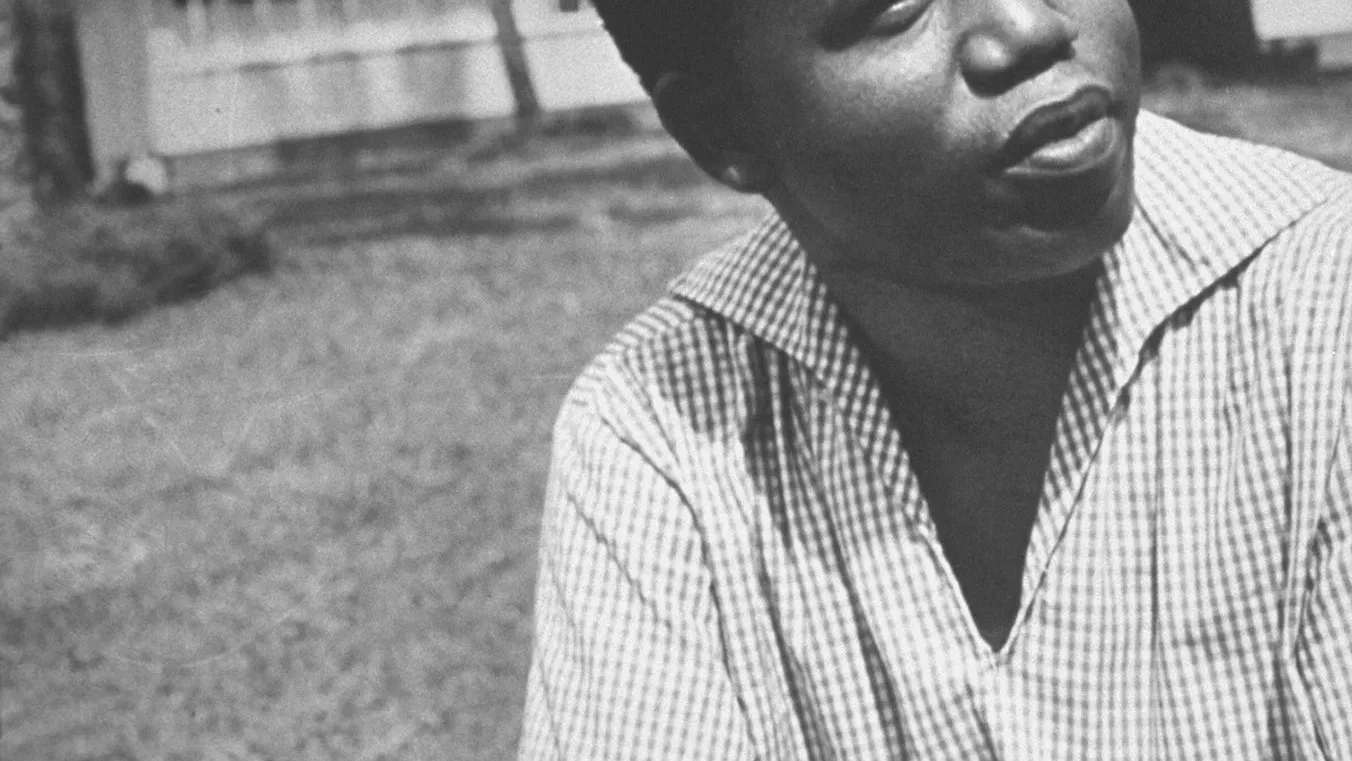
Chinua Achebe was born on 16 November 1930 in Ogidi, eastern Nigeria, and was given the baptismal name Albert Chinualumogu. He died on 21 March 2013 in Boston at the age of 82. Between those two dates, the Igbo writer reclaimed from Europe the right to tell Africa's story.
His first novel was published on 17 June 1958 by Heinemann, with a hardback print run of 2,000 copies. "Things Fall Apart" — translated into French as "Le monde s'effondre", according to Encyclopædia Universalis — recounts the downfall of Okonkwo, an Igbo leader, in the face of missionaries and colonial administration. Sold in millions of copies and translated into "more than 50 languages", it became a benchmark for novelists across the continent, writes the Mail & Guardian.
Reclaiming the narrative from those who held it
In February 1975, at the University of Massachusetts Amherst, Achebe delivered a now-famous lecture, "An Image of Africa: Racism in Conrad's Heart of Darkness", in which he described Joseph Conrad as a "thoroughgoing racist" and accused him of denying Africans even the right to speak. Part of the audience walked out.
Some scholars considered the attack political rather than literary; Achebe responded that he was not denying Conrad's talent. He edited Heinemann's "African Writers Series", which introduced a generation of African writers to the world (1962-1972, according to Universalis).
Twice saying no to the leaders of his own country
During the Biafran War, which left "more than one million" dead according to the Mail & Guardian, Achebe championed the independence of his region and travelled to the United States in 1969 to seek support, Universalis recalls.
In 2004, he turned down the national honour of Commander of the Order of the Federal Republic offered to him by President Olusegun Obasanjo. In an open letter cited by Nigerian media outlet ICIR, he described his home state of Anambra as being handed over to "a small clique of renegades" and expressed his dismay at "the silence, if not connivance, of the Presidency".
In November 2011, the government of Goodluck Jonathan offered him the exact same honour. On the eve of the ceremony, he refused once more: the reasons for his first refusal "have not been addressed let alone solved", he declared, according to the Christian Science Monitor. Presidential spokesperson Reuben Abati called the decision regrettable and pointed to far-reaching electoral reforms.
Partially paralysed following a car accident in 1990, he taught for nineteen years at Bard College, then at Brown, and received the Man Booker International Prize in 2007.
Key takeaways
Chinua Achebe gave Africa its foundational novel and twice refused honours from his own state: standing up for Africans and holding their leaders accountable were never, to him, two separate struggles.
This article was written in French with the help of artificial intelligence from the sources cited below, then translated from French automatically. Read the original.
Sources
- Chinua Achebe — Wikipédia (anglais)
- An Image of Africa — Wikipédia (anglais)
- Mail & Guardian : Achebe, founding father of African fiction, dies
- ICIR Nigeria : How Achebe rejected Nigeria's third-highest honour from two presidents
- Encyclopædia Universalis : Achebe Chinua (1930-2013)
- The Christian Science Monitor : Chinua Achebe rejects an honor from Nigeria
- VOA : World-Renowned Nigerian Author Refuses His Country's Honor