November 4, 1977: The arms embargo Africa forced the UN to impose against apartheid
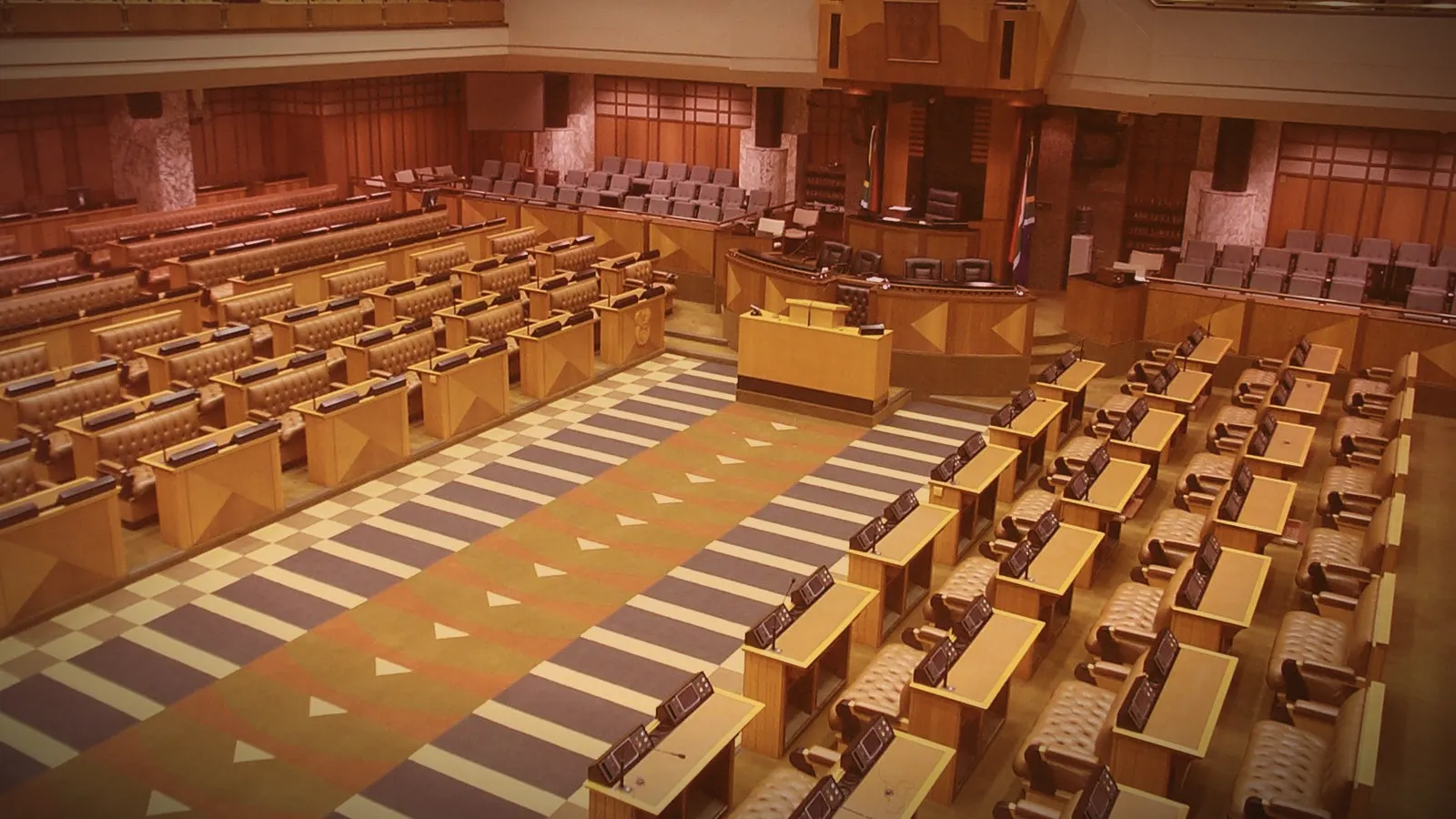
On November 4, 1977, the UN Security Council unanimously adopted Resolution 418 by fifteen votes: apartheid South Africa was hit with a mandatory arms embargo. According to the unscr.com collection of resolutions, the Council had never before imposed binding sanctions on a member state under Chapter VII of the Charter. Three African states were serving on the Council at the time: Benin, Libya, and Mauritius.
A victory secured by the African group
This embargo was not a gift from the great powers; it was the result of an African campaign. In March 1977, Nigerian Ambassador Leslie O. Harriman, chair of the African group at the UN, announced that the group would push for a mandatory embargo, recalls an EBSCO historical note. In August, a conference in Lagos brought together representatives from 111 governments. However, three more ambitious African draft resolutions—calling for a ban on investments and credits, the revocation of arms manufacturing licenses, and an end to nuclear cooperation—were blocked by vetoes from France, the United Kingdom, and the United States.
Soweto, Biko, and eighteen banned organizations
The world only moved after the bloodshed: 69 deaths in Sharpeville in 1960, the Soweto uprising in 1976. In September 1977, Pretoria announced the death of Steve Biko in police custody. A month later, the regime struck again: nearly fifty Black leaders were placed in preventive detention, eighteen organizations were banned, and several Black newspapers were shut down, including The World, the most widely circulated in the country. On October 31, at the request of Tunisia, the Council adopted Resolution 417, which demanded the release of detainees and the abolition of "Bantu education."
The November 4 embargo prohibited the sale of arms, ammunition, military vehicles, paramilitary police equipment, and spare parts, as well as the granting of manufacturing licenses, details SIPRI.
An embargo bypassed, a debate that continues
The effects were real but limited. Paris canceled the delivery of corvettes and submarines, the purchase of Israeli Sa'ar 4 missile boats fell through, and Washington stopped supplying enriched uranium for the SAFARI-1 reactor. However, the effect remained "mainly symbolic," notes Larry Thornton in the EBSCO entry: the South African arms industry was already nearly self-sufficient, and several states ignored the embargo. By the 1980s, almost all of the regime's weapons were designed locally, from the Olifant tank to the Oryx helicopter. It took a new resolution in 1986 to plug the loopholes.
The embargo was not lifted until May 25, 1994, by Resolution 919, following the election of Nelson Mandela, SIPRI indicates. Seventeen years.
Key takeaways
On November 4, 1977, apartheid became the first UN member state to be sanctioned under compulsion, because African diplomats had demanded it for years. The embargo was bypassed, but it made the regime an official pariah.
This article was written in French with the help of artificial intelligence from the sources cited below, then translated from French automatically. Read the original.