October 31, 2014: The day the Burkinabe street brought down Blaise Compaoré after 27 years
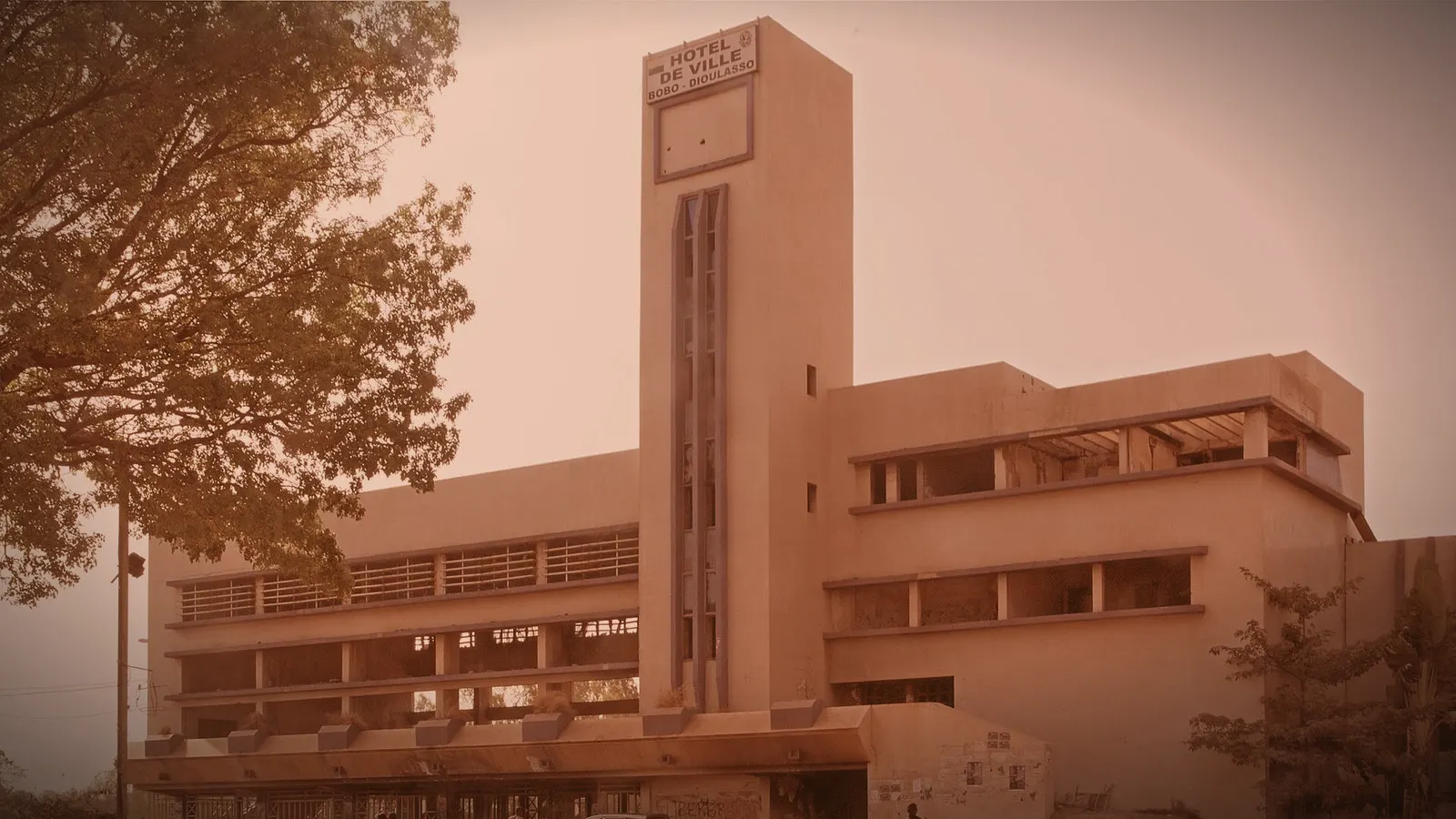
On October 31, 2014, in Ouagadougou, Blaise Compaoré announced that he was stepping down as president of Burkina Faso after twenty-seven years in power, before leaving for Côte d'Ivoire. Two days of popular insurrection had just brought down a regime that had been in place since 1987. Since then, October 31 has been a public holiday in the country, notes Wakat Séra.
One constitutional article too many
Everything started with Article 37 of the Constitution. A revision adopted in 2000 limited the head of state to two five-year terms, but without retroactive effect: Compaoré was re-elected in 2005 and then in 2010, according to Wikipedia. In October 2014, his camp wanted to remove this barrier to open the way for a fifth term; the text was scheduled to be debated on October 30.
For months, opposition parties, unions, and civil society had been demonstrating, including Le Balai Citoyen, led by musicians Smockey and Sams'K Le Jah. On October 28 and 29, the marches brought together several hundred thousand people.
Thirty hours that toppled a regime
On October 30, protesters broke through police lines, set fire to the ruling party's headquarters and the town hall, and then invaded the National Assembly, which deputies left in a hurry and which was partially burned. The bill was withdrawn during the day. The Chief of Staff, General Honoré Nabéré Traoré, decreed a curfew and the dissolution of the Assembly. Gunfire from the presidential guard killed at least three civilians.
The death tolls vary: an investigation commissioned by the transitional authorities concluded there were 24 deaths and 625 injuries, a figure cited by Wikipedia and Wakat Séra, while the opposition spoke of around thirty deaths. Compaoré, exfiltrated by helicopter, was welcomed in Yamoussoukro by Alassane Ouattara.
A victory for the people, power seized by the army
Immediately, the army stepped forward: General Traoré proclaimed himself interim head of state, before being supplanted on November 1 by Lieutenant-Colonel Isaac Zida, of the presidential guard. On November 3, the African Union gave two weeks to hand power back to civilians; ECOWAS warned that it would not recognize any unconstitutional seizure of power. Diplomat Michel Kafando became transitional president in mid-November 2014.
Twelve years later, the assessment can be read in two columns. To the credit of 2014: a reform that makes the term limit untouchable and the conviction in absentia of Compaoré to life imprisonment in April 2022 in the Thomas Sankara case, recalls Sidwaya. On the debit side: corruption and nepotism are "still relevant" according to the same newspaper, with three coups and several attacks since then, according to RFI. For Sidwaya, "his main legacy remains the awakening of the citizenry."
Key takeaways
On October 31, 2014, unarmed Burkinabe citizens forced a twenty-seven-year regime to retreat by refusing to let the Constitution be rewritten to extend it. Twelve years later: the street can topple a regime, but it is the institutions that decide what happens next.
This article was written in French with the help of artificial intelligence from the sources cited below, then translated from French automatically. Read the original.
Sources
- Insurrection populaire de 2014 au Burkina Faso — Wikipédia
- 2014 Burkina Faso uprising — Wikipedia
- Insurrection populaire 2014 : Blaise Compaoré contraint de renoncer à son pouvoir — Wakat Séra
- Leçons et acquis d'une insurrection — Sidwaya
- Burkina Faso : il y a dix ans, une insurrection mettait fin au règne de Blaise Compaoré — RFI via AllAfrica