November 1, 1954: The FLN leaflet and the attacks that launched the Algerian War of Independence
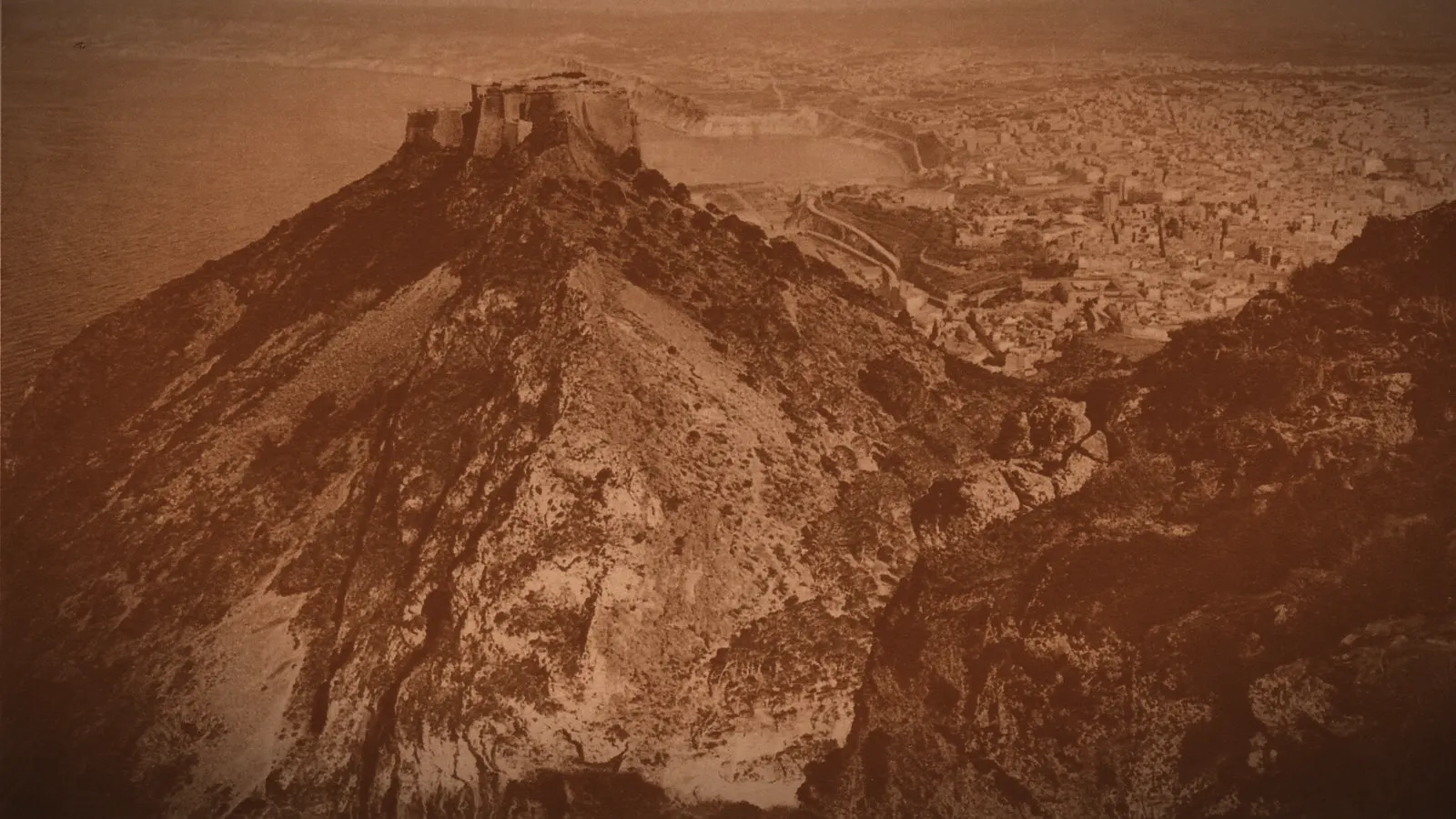
On the night of October 31 to November 1, 1954, small armed groups struck gendarmeries, barracks, and colonial assets across French Algeria. By morning, a leaflet signed with a then-unknown acronym, the National Liberation Front (FLN), set the objective in three words: "National Independence." The Algerian War began that day; it would last seven years, eight months, and four days.
The counts vary. Wikipedia records seventy attacks at about thirty locations across the territory; the history website Herodote.net speaks of "about thirty more or less disorganized attacks," carried out by a few hundred men who were "almost completely devoid of weapons." Ten people were killed, including the 87-year-old Caïd Ben Hadj Sadok, police officer Haroun Ahmed Ben Amar, and 23-year-old schoolteacher Guy Monnerot, in the Tighanimine gorges.
Nine men and a text written in a Casbah tailor shop
The operation was prepared by the Revolutionary Committee of Unity and Action (CRUA), founded in March 1954 around Mohamed Boudiaf. Six leaders divided the country among themselves: Boudiaf, Larbi Ben M'hidi for the Oran region, Mostefa Ben Boulaïd for the Aurès, Rabah Bitat for the Algiers region, Mourad Didouche for the Constantine region, and Krim Belkacem for Kabylia. Together with Mohamed Khider, Hocine Aït Ahmed, and Ahmed Ben Bella, based in Cairo, they formed the nine "historic leaders" of the FLN.
The Proclamation was drafted by journalist Mohamed El Aïchaoui under the dictation of Boudiaf and Didouche in the shop of tailor Aïssa Kechida, in the heart of the Algiers Casbah, and then printed in the Kabyle village of Ighil Imoula. Its program: "the restoration of the sovereign, democratic, and social Algerian state," respect for fundamental freedoms "without distinction of race or creed," the "internationalization of the Algerian problem," and North African unity.
"Algeria is France"
Paris initially refused to use the word "war." On November 7, 1954, Interior Minister François Mitterrand declared: "Algeria is France." On November 12, in the National Assembly, Prime Minister Pierre Mendès France concluded: "Here is France." Approximately 2,000 people were arrested before the end of December, and French military personnel increased from 56,000 to 83,000.
The human toll remains a battlefield of memory: Algeria claims 1.5 million Algerian deaths, while French historians cite approximately 250,000, according to Wikipedia, which notes both estimates. Added to this are nearly 25,600 French soldiers killed and two to three million displaced Algerians. Independence was achieved on July 5, 1962.
Key takeaways
A few hundred poorly armed men and a leaflet printed in a Kabylie village launched, on November 1, 1954, the war that ended French colonization of Algeria eight years later. The date is now an Algerian national holiday.
This article was written in French with the help of artificial intelligence from the sources cited below, then translated from French automatically. Read the original.