November 11, 1975: Angola independent after thirteen years of war, and two governments on the same day
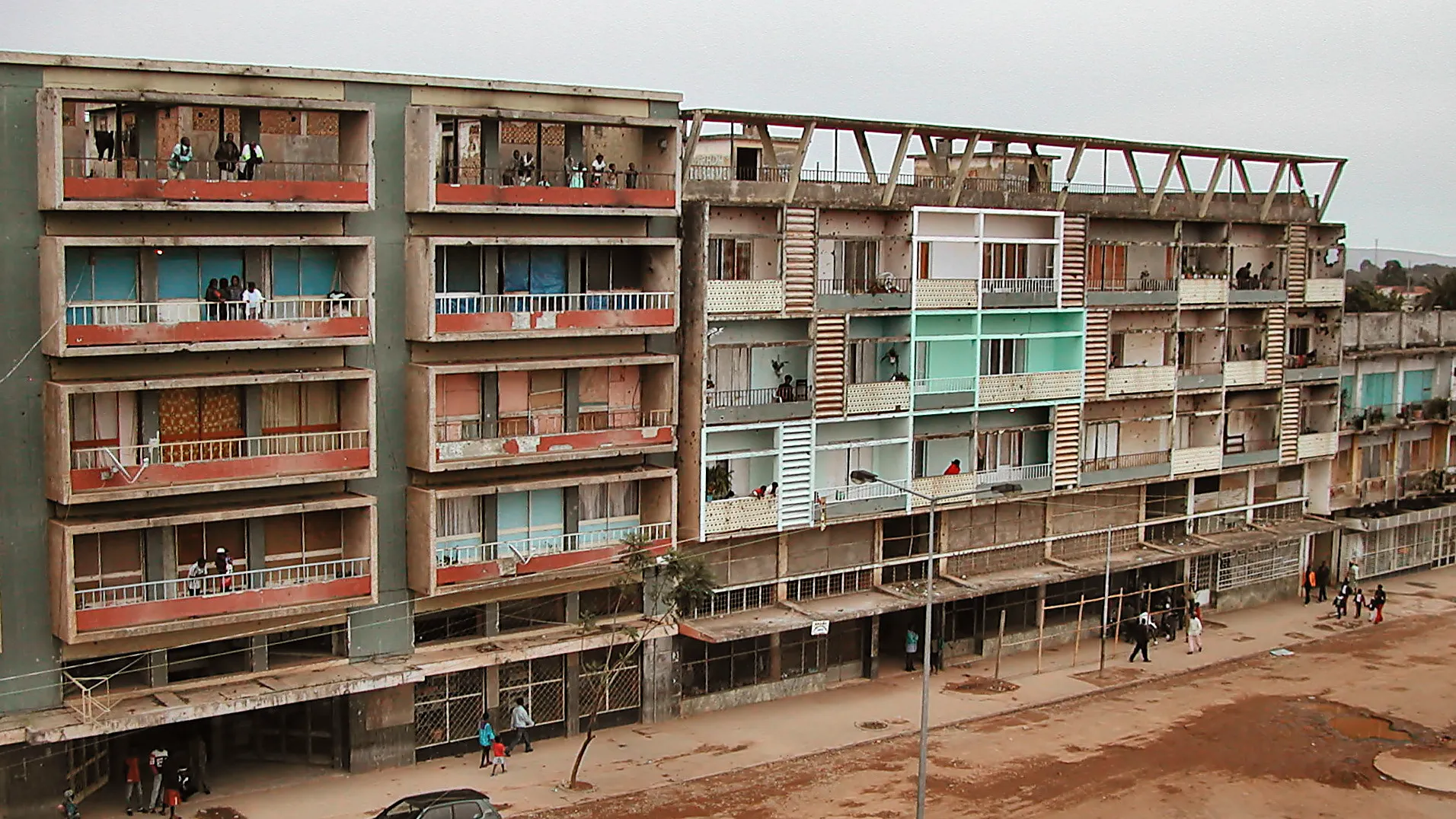
On November 11, 1975, in Luanda, Agostinho Neto proclaimed the People's Republic of Angola and put an end to Portuguese colonial rule. On the same day, in Huambo, his rivals from the FNLA and UNITA announced their own government. Angola was born independent and already split in two.
Thirteen or fourteen years of guerrilla warfare
This date was no gift from Lisbon: it was the culmination of a war of liberation that began in 1961. Historians do not date it exactly the same way. South African History Online speaks of "14 years of armed resistance"; Wikipedia uses February 4, 1961, which is thirteen years and two months until the Carnation Revolution of April 25, 1974, which overthrew the Portuguese regime and opened the door to decolonization. The toll remains debated: 2,671 Portuguese soldiers killed and 10,000 to 25,000 nationalist fighters, according to Wikipedia.
Alvor, the agreement that did not hold
On January 15, 1975, in Alvor, in southern Portugal, Agostinho Neto for the MPLA, Holden Roberto for the FNLA, and Jonas Savimbi for UNITA signed an agreement with Lisbon. Ratified on January 28, it set independence for November 11 and established a transitional government on January 31, placed under the authority of the Portuguese High Commissioner, Admiral Rosa Coutinho, with one representative from each movement.
The agreement did not survive the year. Each movement distrusted the other two and sought to seize power by force of arms. In July 1975, the MPLA drove the FNLA out of Luanda; by August, it controlled eleven of the fifteen provincial capitals, according to South African History Online.
The Cold War joins the party
Angolan independence became a battleground for foreign powers. On August 5, 1975, South African troops entered the south of the country with armored vehicles and artillery; on October 23, Pretoria committed 1,500 to 2,000 men from Namibia to support the FNLA and UNITA, while Mobutu's Zaire sent tanks and paratroopers. Facing them, the MPLA relied on Soviet weaponry and Cuban advisors, who had been present since May 1975. Cuban aid, writes South African History Online, prevented "the fall of Luanda" at that time.
The day before independence, November 10, about a thousand FAPLA fighters, supported by fewer than a hundred Cuban artillerymen, stopped a column of more than 3,000 men marching on Luanda at Quifangondo. Numbers and casualties vary greatly from one historian to another, but no source disputes the essential fact: the capital did not fall.
On November 11, in accordance with the Alvor Agreement, the Portuguese left the country. The departure of the settlers had begun long before: an airlift opened on August 12, 1975, brought more than 200,000 Portuguese back to Lisbon, according to Wikipedia.
In 1976, Cuban forces recaptured Huambo and pushed the FNLA back toward Zaire; in March, South Africa withdrew its troops. The People's Republic of Angola was recognized that same year by most states and by the UN. Peace, however, would have to wait: the civil war would not end until 2002.
Key takeaways
On November 11, 1975, Angola won its independence after more than thirteen years of armed struggle, but entered it divided: two rival governments proclaimed on the same day, and foreign armies already on its soil.
This article was written in French with the help of artificial intelligence from the sources cited below, then translated from French automatically. Read the original.