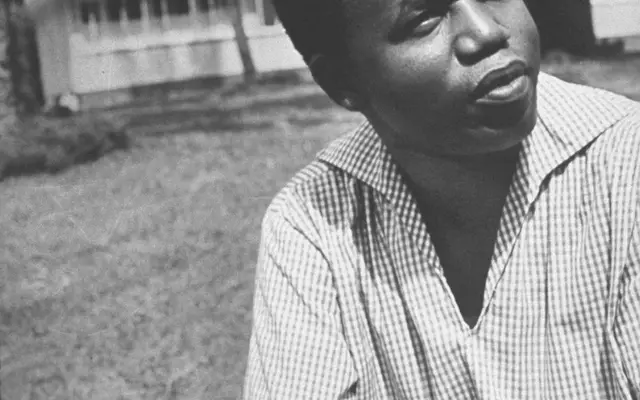
November 10, 1995: Nigeria hangs Ken Saro-Wiwa, the writer who defied Shell
On November 10, 1995, at Port Harcourt prison in southern Nigeria, Ogoni writer Ken Saro-Wiwa and eight other activists were hanged on the orders of General Sani Abacha's military regime. Two days earlier, the ruling military council had confirmed their death sentences.
Born on October 10, 1941, in Bori, he was a playwright and television producer. In October 1990, the Movement for the Survival of the Ogoni People (MOSOP), which he co-founded, presented the Ogoni Bill of Rights: a fair share of oil revenues and compensation for environmental damage. In January 1993, approximately 300,000 Ogonis marched, more than half of the population according to Al Jazeera.
A military tribunal, and no appeal
On May 21, 1994, four Ogoni notables, including Edward Kobani, were killed by a mob in Gokana. The authorities immediately accused Saro-Wiwa of inciting the murders, even though he had been prevented from entering Ogoniland that day. A special military tribunal sentenced him to death on October 30, 1995. Amnesty International described the trial as a "sham": the defense lawyers, having been harassed, had walked out of the hearings.
The nine men were hanged one by one, with Saro-Wiwa first. His final words remain: "Lord, take my soul, but the struggle continues." Nigeria was suspended from the Commonwealth, largely due to the insistence of Nelson Mandela, and the UN condemned the executions.
Oil, and what Shell disputes
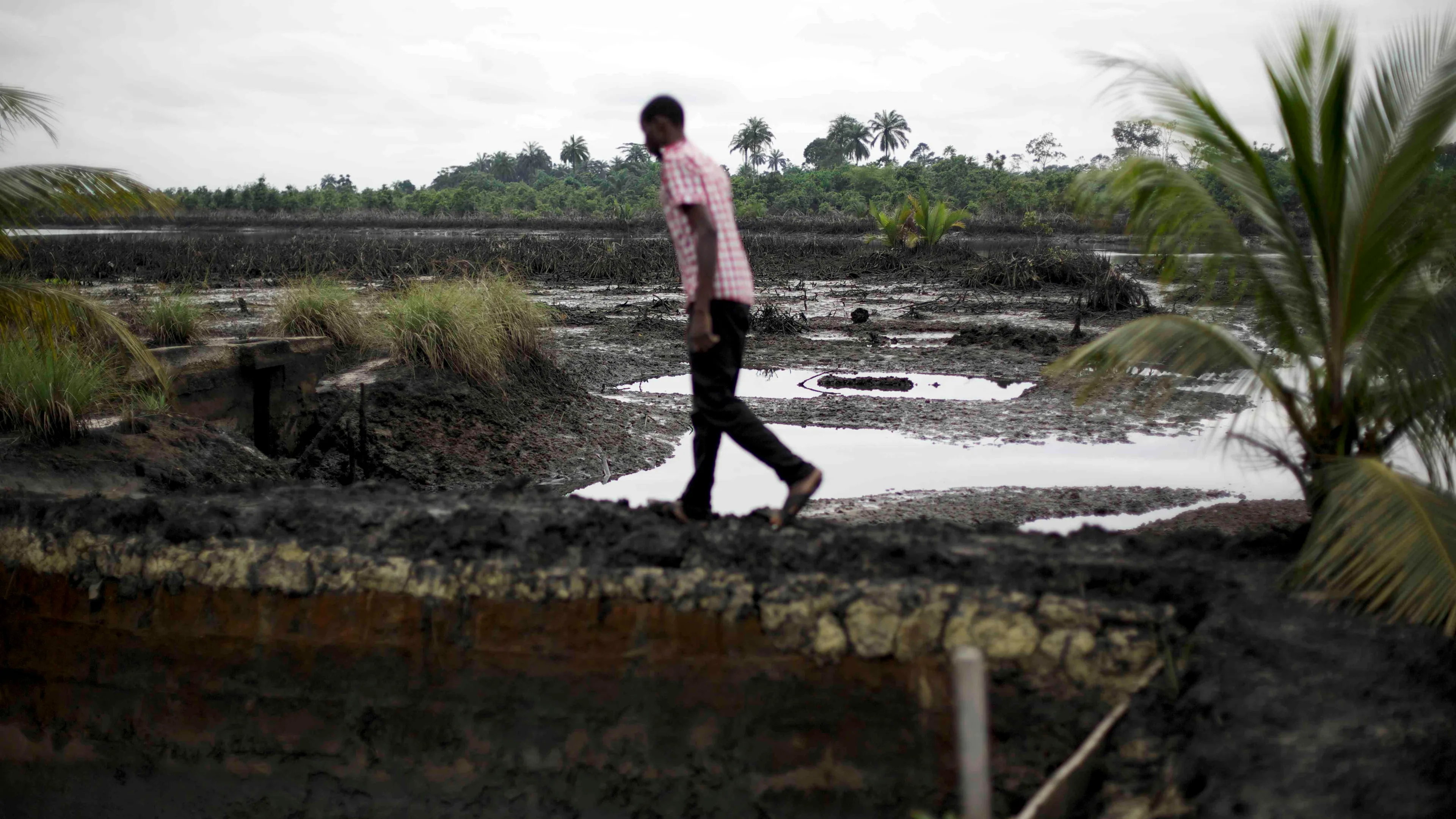
Oil was discovered in the Niger Delta in 1958. It has provided up to 80% of the country's foreign exchange earnings, notes Al Jazeera, while leaving Ogoniland devastated: in 2011, the UNEP found benzene levels there up to 900 times the WHO standard. Shell suspended its operations there in 1993 and has never returned.
Regarding the company's responsibility, versions differ. In 2017, Amnesty International claimed to have found evidence showing that Shell executives had encouraged the military to suppress the protests; Shell denied this and stated that it had pleaded for clemency.
Pardoned, but not exonerated
On June 12, 2025, President Bola Tinubu announced a posthumous pardon for the nine men: their execution "should never have taken place." Saro-Wiwa was named a Commander of the Order of the Niger, and the other eight were named Officers of the Order of the Niger, reports The Guardian Nigeria. His daughter, Noo Saro-Wiwa, is demanding more: a pardon implies a crime, she says, when there was none.
Key takeaways
On November 10, 1995, Nigeria hanged a writer who demanded that Ogoni oil benefit the Ogoni people. Thirty years later, the state has pardoned him without exonerating him, and the land remains to be cleaned up.
This article was written in French with the help of artificial intelligence from the sources cited below, then translated from French automatically. Read the original.