November 8, 2005: Liberia elects Ellen Johnson Sirleaf, the first woman to lead an African state
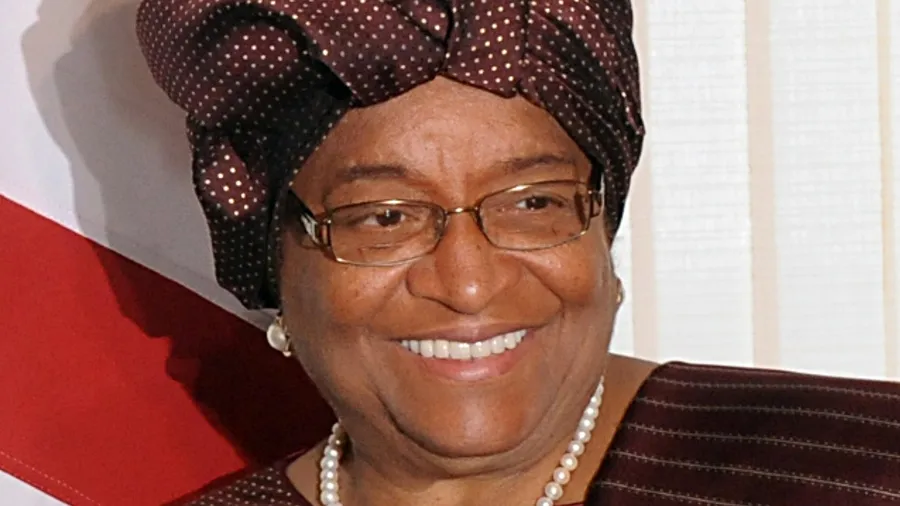
On November 8, 2005, Liberia elected Ellen Johnson Sirleaf as its president in the second round of the first election held after the civil war: she received 59.40% of the vote against 40.60% for former footballer George Weah, according to the National Elections Commission of Liberia. She became the first woman to be elected by universal suffrage to lead an African state.
A country to rebuild, a peace agreement to uphold
The first round on October 11, 2005, was the first vote since the 1997 presidential election won by Charles Taylor, who had resigned and gone into exile in August 2003. A transitional government led by Gyude Bryant had been administering the country since October 2003, in accordance with the Accra Comprehensive Peace Agreement, which prohibited its leaders from running for office.
Twenty-two candidates were in the running. Weah finished first with 28.27% of the vote, and Ellen Johnson Sirleaf second with 19.75%, with a turnout of 74.86%. One month later, with 61.04% of voters participating, the order had reversed.
An economist who experienced prison and exile
Born on October 29, 1938, in Monrovia and a 1971 Harvard graduate, she served as Assistant Minister of Finance under William Tolbert, then as Minister of Finance under the military dictatorship of Samuel Doe. She was imprisoned twice and sentenced to ten years in prison in 1985 before being allowed to leave the country, according to Britannica. Twelve years of exile followed: she worked as an economist at the World Bank and Citibank, then as director of the UNDP Regional Bureau for Africa from 1992 to 1997. A candidate in 1997, she finished second behind Taylor and went back into exile, facing charges of treason.
Weah alleged fraud; his rival responded by calling them "lies." The United Nations, the European Union, and ECOWAS deemed the vote clean and transparent, with the Carter Center noting only "minor irregularities." Weah withdrew his legal challenges on December 22, 2005.
What history remembers, and what it debates
Inaugurated on January 16, 2006, she received the Nobel Peace Prize in 2011 alongside Liberian Leymah Gbowee and Yemeni Tawakkol Karman. She was re-elected that same year, then left office on January 22, 2018, in favor of George Weah: the first transfer of power between elected leaders in Liberia since 1944, notes Britannica.
Her legacy, however, remains debated. In 2009, the Liberian Truth and Reconciliation Commission recommended that she be barred from holding any elective office for thirty years for having supported armed factions: she had backed Charles Taylor at the very beginning of the war. This recommendation was not binding. She was also criticized for corruption and for placing several of her children in public positions.
Key takeaways
On November 8, 2005, a country ruined by war chose a woman to lead it through the ballot box, a first on the continent. Twenty-one years later, her election remains a landmark, and her record an open debate.
This article was written in French with the help of artificial intelligence from the sources cited below, then translated from French automatically. Read the original.