November 5, 1956: Paratroopers jump on Port Said, and Nasser's Egypt wins the Suez Crisis
On November 5, 1956, British and French paratroopers landed on Port Said and Port Fouad, on either side of the Suez Canal in Egypt. Britannica and the history website Hérodote place the assault on "November 5 and 6." It was the final act of what Egyptians call the "tripartite aggression."
A canal reclaimed, an invasion prepared in secret
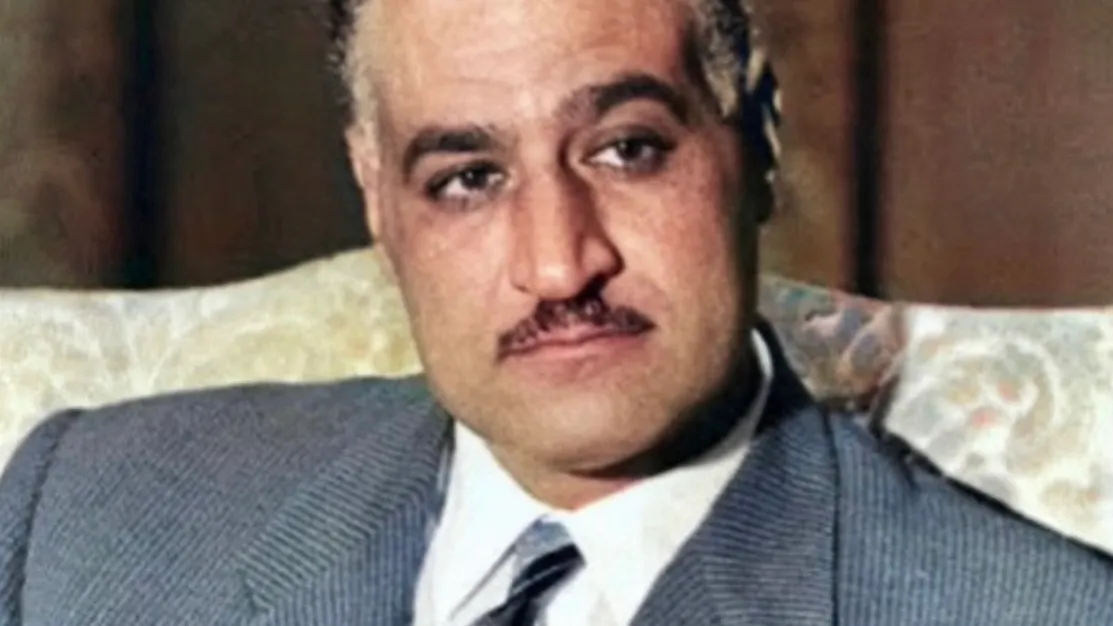
On July 26, 1956, Gamal Abdel Nasser announced the nationalization of the Suez Canal Company, a joint British and French enterprise that had operated it since 1869, the U.S. Department of State's Office of the Historian recalls. The crisis stemmed from the American and British refusal to fund the Aswan High Dam, which they had previously promised, Britannica notes. London and Paris instead began secret military consultations with Israel: the joint plan was to invade Egypt and overthrow Nasser.
On October 29, Israeli forces crossed the Sinai and advanced to within ten miles of the canal. On the 30th, a Franco-British ultimatum ordered the combatants to move away: Israel complied, but Nasser refused. The bombing began on October 31.
Port Said: 1,360 civilians killed, and neighborhood resistance
On November 5, the bombing reached its peak, reports the independent Egyptian media outlet Mada Masr: power plants and oil depots were targeted, and the Abadi and Manakh neighborhoods were set ablaze. According to historian Alia Mossallam, who collected testimonies from residents for the outlet, 1,360 men, women, and children were killed in Port Said during the fifty-four-day siege, most of them during those nights—deaths that are absent from history books, she writes.
The city was not taken without a response: civilians fired rifles at planes from rooftops, women smuggled weapons across Lake Manzala with the help of fishermen, and popular committees, formed by the Greek, Italian, Sudanese, and Nubian communities, protected property and distributed resources, Mada Masr reports. On the night of November 4, Nasser had left Cairo discreetly for Port Said.
A military defeat turned into a political victory
The operation did not survive the two superpowers. As soon as the paratroopers were on the ground, the Soviets threatened to intervene with nuclear rockets, writes Hérodote; Washington pushed its allies to accept a UN ceasefire on November 6, the Office of the Historian specifies. On November 6, 1956, at midnight, the Suez expedition came to a halt. Franco-British troops evacuated on December 22, 1956, and Israel withdrew from the Sinai in March 1957, according to Britannica.
Nasser emerged from the crisis as a victor and a hero of Arab and Egyptian nationalism, writes Britannica. For Hérodote, this ceasefire "marked the end of the colonial era for France and Great Britain" and signaled "the emergence of the Third World."
Key takeaways
Franco-British paratroopers landed on Port Said on November 5, 1956, but the expedition was halted the very next day under American and Soviet pressure. Egypt kept the Suez Canal, at the cost of 1,360 civilians killed in a single city.
This article was written in French with the help of artificial intelligence from the sources cited below, then translated from French automatically. Read the original.