October 4, 1951: Henrietta Lacks dies at 31, her cells advance global medicine
On October 4, 1951, Henrietta Lacks died at Johns Hopkins Hospital in Baltimore at the age of 31 from cervical cancer. This African American woman, born in 1920 in Virginia and a mother of five, was unaware that cells from her tumor had just entered a laboratory. Seventy-five years later, they are still driving global medical research.
A biopsy without consent
During her radium treatment, a doctor took two samples without informing her—one healthy, one cancerous—and entrusted them to biologist George Otto Gey. Johns Hopkins now acknowledges on its website that no informed consent was obtained and that the Lacks family should have been better informed.
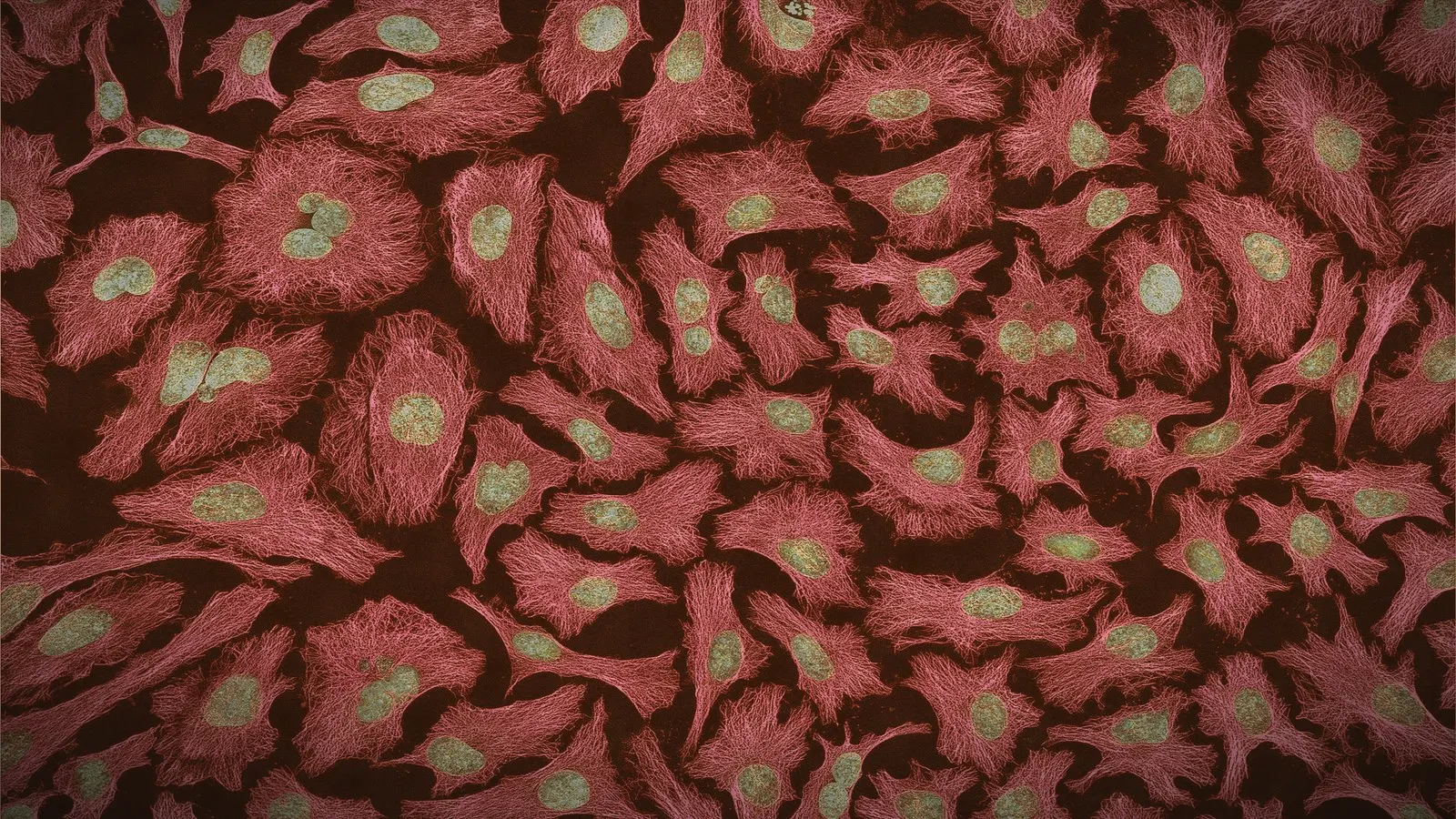
Named HeLa after the first letters of her name, these cells double every twenty to twenty-four hours and divide endlessly, whereas previous samples died within a few days: it is the first immortal human cell line.
Vaccines, 11,000 patents, and nothing for her family
As early as 1954, Jonas Salk used them to develop the polio vaccine. Vaccines against human papillomavirus (HPV) and hepatitis B, treatments for HIV and cancer, and research on Covid-19 would follow. According to the WHO, more than 75,000 studies rely on these cells.
The family remained in the dark for a long time: relatives were contacted for blood samples in 1973, and the general public only discovered the story in 2010 with Rebecca Skloot's book. In 2021, her granddaughter Kimberly Lacks denounced a "racist and unethical treatment" (France 24).
What this story says to Africa
The paradox is brutal: the cells of a Black woman enabled the HPV vaccine, yet access to it remains highly unequal. In 2020, less than 30% of low-middle-income countries had integrated it into their national programs, compared to more than 85% of wealthy countries, the WHO points out. Yet, nineteen of the twenty countries where cervical cancer hits hardest are in Africa.
On October 13, 2021, in Geneva, the WHO presented a posthumous award to Henrietta Lacks, which was accepted by her son Lawrence, 87. Its Director-General, Tedros Adhanom Ghebreyesus, saw it as a way to confront the scientific injustices of the past.
Reparation won in court
On July 31, 2023, the family reached a confidential settlement with Thermo Fisher Scientific. On February 24, 2026, Novartis settled a lawsuit filed in August 2024 in Baltimore, with no amount made public, according to Fierce Pharma. Two proceedings remain open against Viatris and Ultragenyx.
Key takeaways
Henrietta Lacks never knew that her body would be used to save millions of lives: it was used without her consent and her name was erased for decades. Honoring her memory means demanding that Africans and people of African descent have access to the treatments her cells helped build.
This article was written in French with the help of artificial intelligence from the sources cited below, then translated from French automatically. Read the original.
Sources
- Henrietta Lacks — Wikipedia
- The Legacy of Henrietta Lacks — Johns Hopkins Medicine
- WHO Director-General Bestows Posthumous Award on the Late Henrietta Lacks — OMS
- Henrietta Lacks, l'Afro-Américaine dont les cellules immortelles ont révolutionné la recherche — France 24
- Novartis settles lawsuit with estate of Henrietta Lacks — Fierce Pharma