October 5, 1988: The youth of Algiers bring down the single-party system
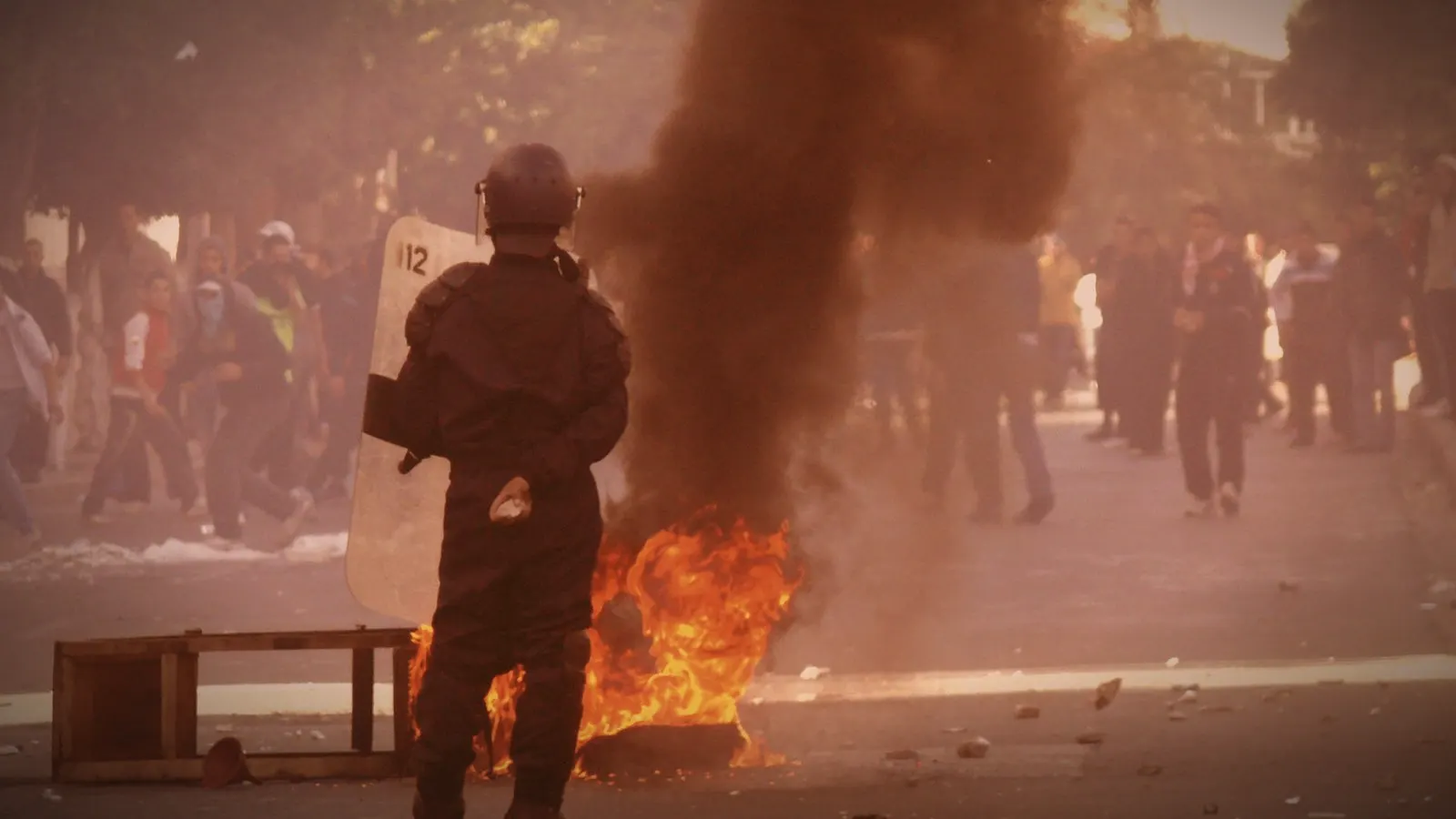
On October 5, 1988, the youth of Algiers took to the streets and shook the single-party system that had governed Algeria since its independence in 1962. Starting in Bab El Oued on the night of October 4 to 5 according to Jeune Afrique, the revolt spread to the capital, then to Oran and Annaba, according to the American journal MERIP.
The oil price shock preceded the revolt
Before the stones, there were the numbers. The collapse of hydrocarbon prices in 1986 drained the revenues of a state that lived off oil and gas. Its external debt rose from $20.5 billion at the end of 1986 to $25 billion at the end of 1988, according to the Annuaire de l'Afrique du Nord; in 1989, debt servicing absorbed more than half of the exports of goods and services. Austerity translated into shortages and soaring prices.
The bill was paid by the youngest: the number of unemployed rose from 658,000 in 1985 to 1.2 million in 1987, while nearly 44% of Algerians were under 15 years old. It was this generation, denouncing "hogra"—the contempt of the powerful, as Jeune Afrique recalls—that took to the streets.
159 dead according to the state, more than 500 according to NGOs
The government's response was military: a state of emergency, a curfew, and martial law in Algiers and its suburbs, according to MERIP. On October 9, a march led by Imam Ali Benhadj was mowed down by gunfire: about thirty protesters were killed. President Chadli Bendjedid addressed the country on October 10 and announced reforms.
The death toll remains disputed. The state acknowledges 159 deaths; human rights organizations suggest more than 500 killed, reports Jeune Afrique. MERIP cites 7,000 official arrests, other counts mention 15,000 detentions, and numerous testimonies report torture. Sources still diverge.
The concessions won were real. The Constitution of February 23, 1989, removed the reference to socialism, recognized the right to create associations of a "political nature," and paved the way for a multi-party system, trade union freedom, and a free press. In January 1990, twenty parties were legalized, according to MERIP.
The window of opportunity was short: the army canceled the 1991 elections and the country plunged into a civil war that left 200,000 dead according to the official toll. What remains is the matrix of October 1988: unarmed African citizens obtaining in six days what no party congress had ever conceded to them.
Key takeaways
On October 5, 1988, young Algerians strangled by debt and austerity broke the FLN's monopoly, at the cost of 159 deaths according to the state and more than 500 according to NGOs. The freedoms won in the streets remain fragile as long as the ballot box is not respected.
This article was written in French with the help of artificial intelligence from the sources cited below, then translated from French automatically. Read the original.
Sources
- Algérie : trente ans après la révolte et les avancées d'octobre 1988, l'amère désillusion — Jeune Afrique
- 1988 October Riots — Wikipedia
- Chadli's Perestroika — MERIP, Middle East Report, mars 1990
- La dette extérieure algérienne — Annuaire de l'Afrique du Nord, 1989
- Émeutes en Algérie, octobre 1988 — Perspective Monde, Université de Sherbrooke