November 20, 1695: Zumbi beheaded after ninety years of a free Palmares
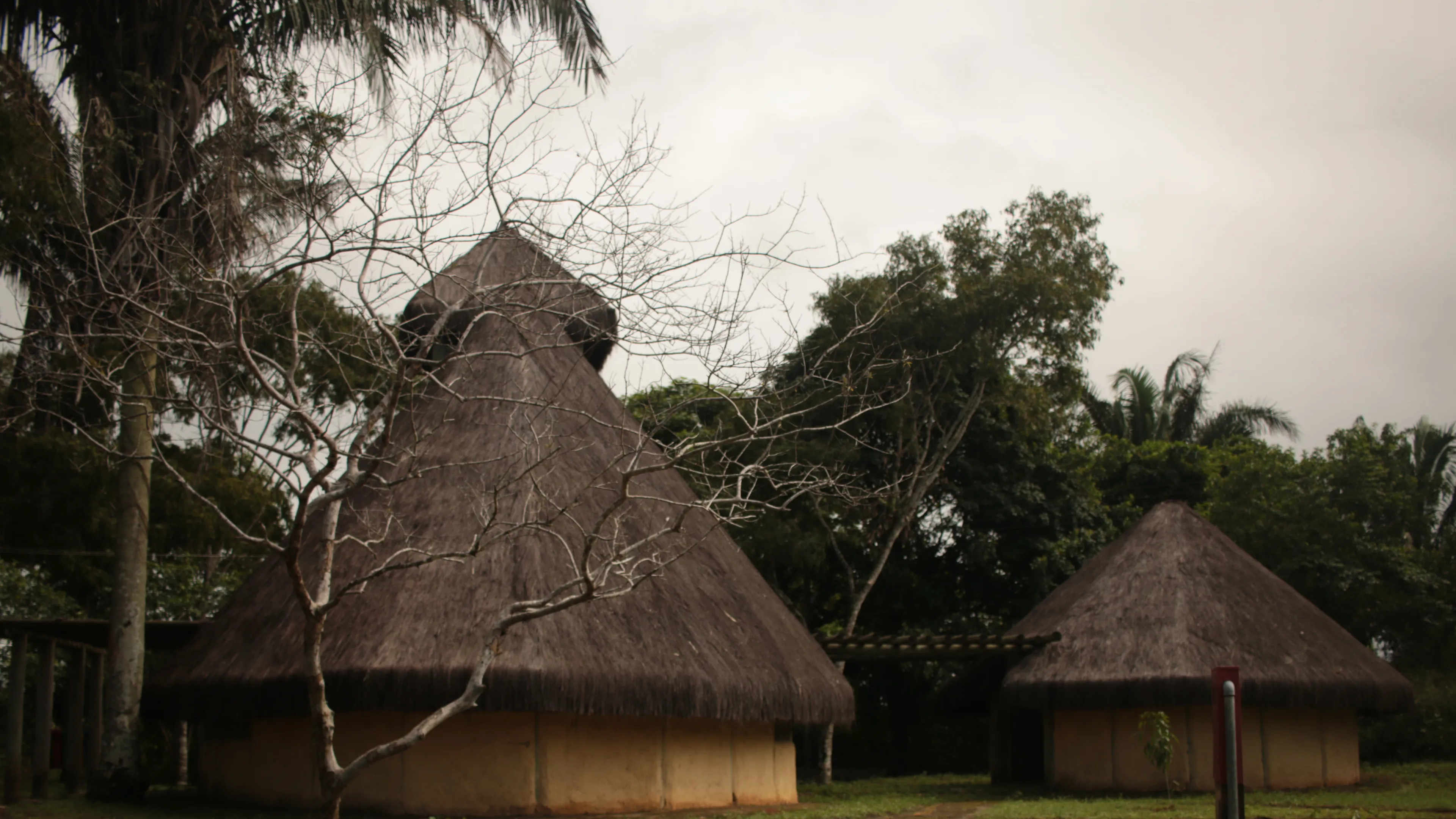
On November 20, 1695, the Portuguese executed Zumbi, the last leader of the Palmares quilombo in northeastern Brazil. His head was displayed on a pike to dispel the legend of his immortality; he was 39 or 40 years old. Since a law passed on December 21, 2023, this date has been a public holiday throughout Brazil.
Angola Janga, an Africa reconstituted in Brazil
Palmares was born around 1605, when about forty enslaved Africans reached the Serra da Barriga, in the current state of Alagoas. For nearly ninety years, their descendants administered villages there—nine large settlements according to a 1677 account—with their own leaders, cultures, and armies. They reportedly called their kingdom Angola Janga.
The name says it all: up to 90% of the captives who arrived in Pernambuco came from Portuguese Angola. Historians differ on the population: from 20,000 or 30,000 inhabitants according to some estimates, to about 11,000 according to Stuart Schwartz.
The man who refused the treaty
Zumbi was born free in Palmares in 1655: his mother, Sabina, was the sister of King Ganga Zumba, and a 1692 deposition by a Portuguese priest claims he was a descendant of the Kingdom of Kongo. Captured as a child during a raid, entrusted to a missionary, and baptized Francisco, he escaped in 1670 and returned home at the age of 15.
In 1678, Governor Pedro Almeida offered peace to Ganga Zumba: freedom for the fugitives in exchange for the submission of Palmares and its relocation to the Cucaú Valley. The king accepted, but Zumbi refused and eventually overthrew him. History would prove him right: the plantation owners did not keep their word and re-enslaved some of the king's followers.
Forty-two days of siege
Fourteen expeditions between 1672 and 1686 failed, notes the journal History Today, which cites a report from plantation owners who deemed the people of Palmares "apparently invincible." It took artillery, the bandeirantes of Domingos Jorge Velho, and a forty-two-day siege in 1694 to capture Cerca do Macaco, the central village. Two hundred inhabitants reportedly took their own lives rather than surrender.
What followed is disputed: was he taken alive in February 1694, wounded by two bullets according to History Today, or was he on the run until a betrayal occurred? Sources at least agree on the date of his death.
A date won, not given
In 1971, in Porto Alegre, Oliveira Silveira and the Grupo Palmares turned the date of Zumbi's death into a day of Black remembrance. Alagoas declared it a state holiday in 1995, a 2003 law included Afro-Brazilian history in the school curriculum, and 1,044 municipalities were observing it by 2014, prior to the national law of 2023.
Key takeaways
Palmares held out for nearly ninety years against the leading slave-holding power of the Atlantic, and its last leader preferred war to submission. November 20 commemorates a resistance, not a granted abolition.
This article was written in French with the help of artificial intelligence from the sources cited below, then translated from French automatically. Read the original.