November 13, 1956: Four Black women, not Rosa Parks, bring down bus segregation
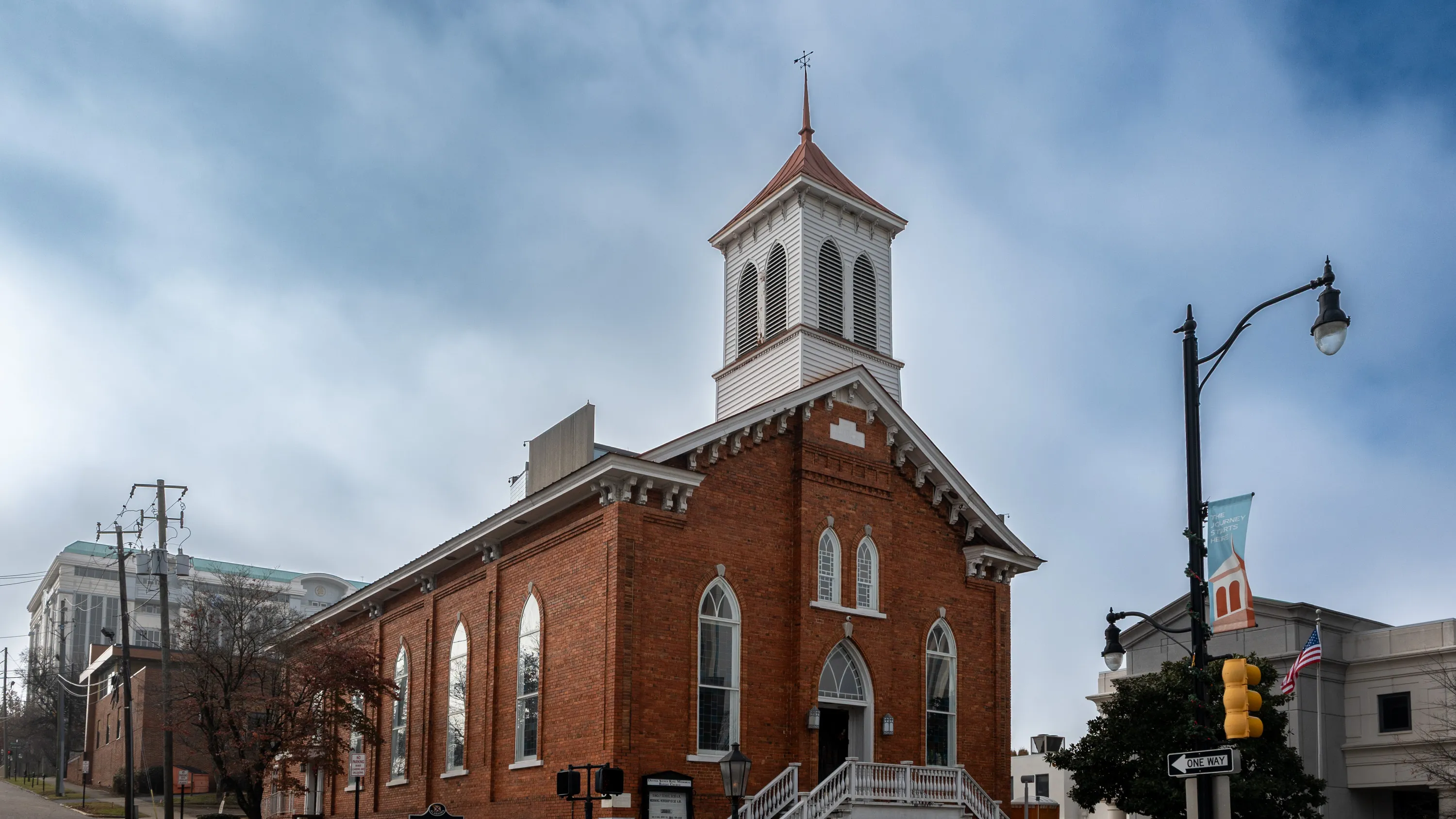
On November 13, 1956, the United States Supreme Court summarily upheld the judgment rendered in Montgomery, Alabama, in the case of Browder v. Gayle: racial segregation on city and state buses is unconstitutional. The ruling, referenced as 352 U.S. 903, was not secured by Rosa Parks, but by four Black plaintiffs, the youngest of whom was 15 at the time of the events.
Four women and a legal gamble
The lawsuit was filed on February 1, 1956, in federal court by Fred Gray, a Black lawyer from Montgomery, according to the Martin Luther King, Jr. Research and Education Institute at Stanford University. The plaintiffs were Aurelia Browder, Susie McDonald, Mary Louise Smith, and Claudette Colvin, who was arrested on March 2, 1955, at age 15 for refusing to give up her seat to a white passenger, nine months before Rosa Parks. A fifth woman, Jeanetta Reese, withdrew in February under pressure from white residents, according to Wikipedia.
Why exclude Rosa Parks, who was arrested on December 1, 1955, and became the face of the boycott? Because her appeal risked getting bogged down in Alabama courts, a concern that Wikipedia attributes to lawyer Clifford Durr: a case was needed that would go straight to the federal level. As for Colvin, she was considered too fragile as a trial figure, being a teenager, single, and pregnant during the proceedings. Historians still debate the weight of each reason.
On June 5, 1956, three federal judges ruled two-to-one, with Judge Seybourn Lynne dissenting: segregation on buses violates the equal protection clause of the Fourteenth Amendment. The city and the state appealed.
Two pieces of news on the same day
On November 13, Martin Luther King was at the courthouse, where a judge had just banned the carpooling system that allowed boycotters to avoid the buses. It was a journalist who informed him, right in the courtroom, that Washington had upheld the decision, reports the Stanford Institute. On December 17, the Supreme Court rejected Alabama's appeal; on the 20th, Mayor William Gayle received the official notification. The boycott, which lasted 381 days, was lifted that day, and the buses were integrated the following morning.
Montgomery and Accra
This victory was contemporary with the decolonization of the continent: 1956 was the year of independence for Sudan, Morocco, and Tunisia. In March 1957, invited by Kwame Nkrumah, King traveled to Accra with Coretta Scott King to attend the independence of Ghana, proclaimed at midnight on March 6. There, he saw, as the Stanford Institute writes, a parallel between the resistance to European colonialism and the struggle against American racism.
Key takeaways
On November 13, 1956, segregation on Alabama buses fell before the Supreme Court, driven by four Black women who long remained in the shadow of Rosa Parks. That same year, Sudan, Morocco, and Tunisia became independent.
This article was written in French with the help of artificial intelligence from the sources cited below, then translated from French automatically. Read the original.