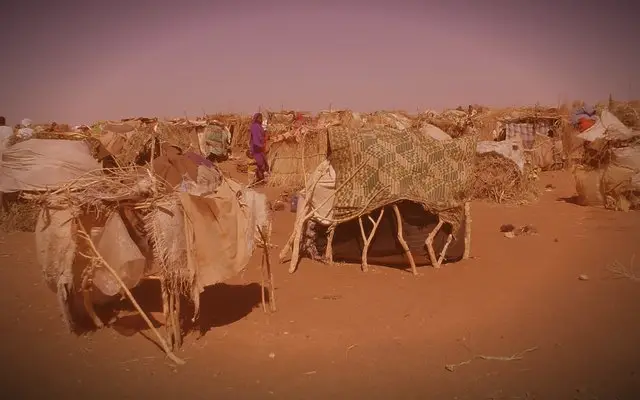
DRC: 1.3 million euros to pay for lawyers for victims of sexual violence in the East
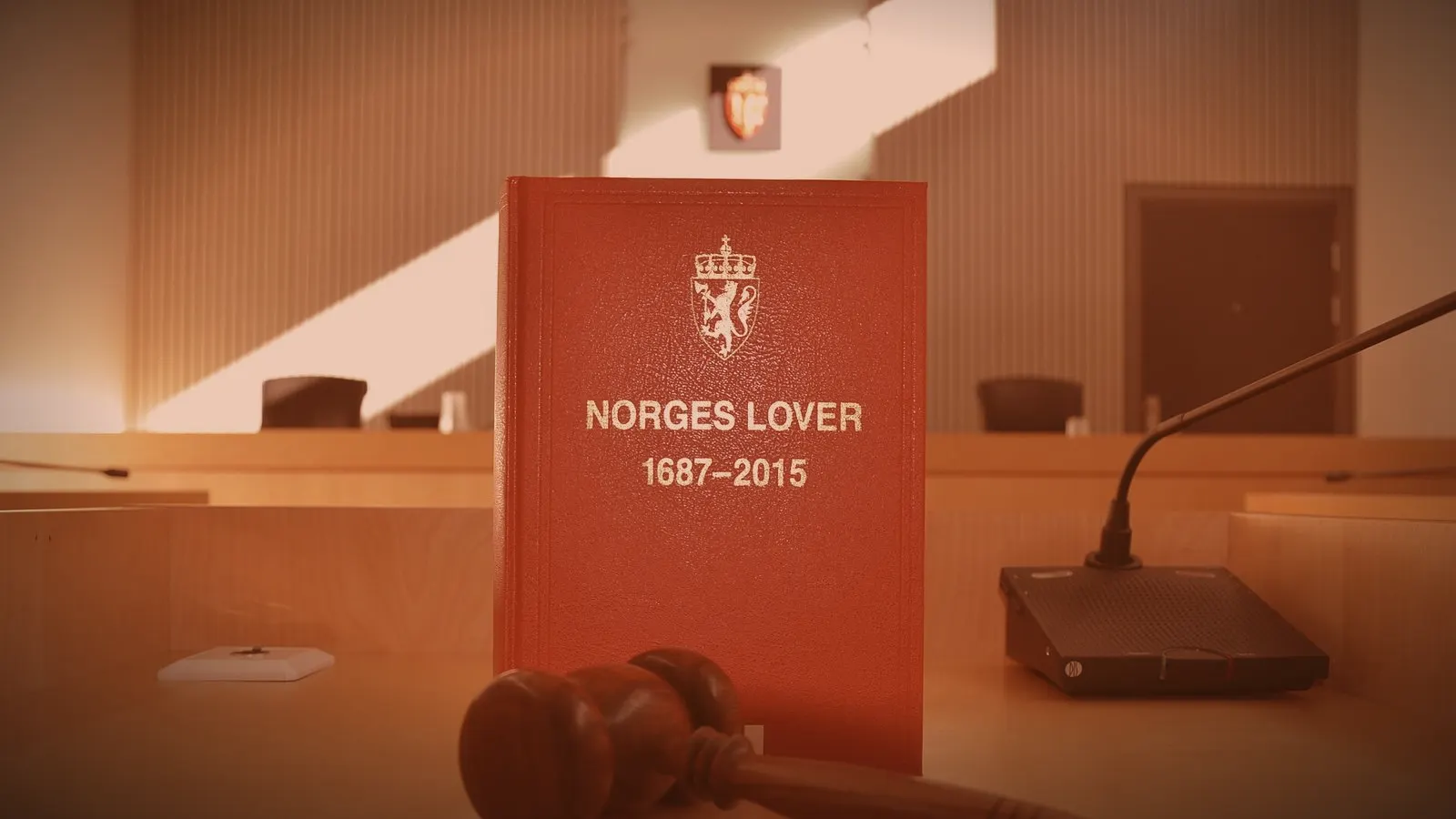
Congolese Minister of State for Justice, Guillaume Ngefa Atondoko Andali, and French Minister for Europe and Foreign Affairs, Jean-Noël Barrot, signed a 1.3 million euro funding agreement in Kinshasa on October 2, 2026, aimed at providing access to justice for victims of conflict-related sexual violence in the Democratic Republic of Congo. The project, titled "Support for the Rule of Law for Victims of Sexual Violence in Conflict Zones," runs from 2026-2028, reports Radio Okapi.
What the funding is intended to cover
In concrete terms, the funds are intended to cover procedural costs and legal fees, which have until now been borne by the plaintiffs, deploy mobile legal clinics in affected areas, organize mobile court hearings closer to the victims, and train magistrates, judicial police officers, and lawyers. Community awareness campaigns are also planned, according to the online media outlet Actualité.cd.
The implementation involves the Congolese Ministry of Justice, the National Fund for Reparations for Victims of Sexual Violence (FONAREV), Congolese civil society organizations, and international partners.
"Justice must not be a privilege reserved for those who can afford it," the Congolese minister declared during the signing. His French counterpart summarized the commitment in one sentence: "There is no peace without justice."
An immense need, a modest budget
The eastern Congo has lived for more than twenty years with sexual violence used as a weapon by armed groups, and sometimes by regular forces. Compared to the tens of thousands of victims identified by Congolese organizations and UN agencies, 1.3 million euros over three years remains a one-off contribution, not a response on the scale of the problem.
The essential work will therefore take place elsewhere: in the Congolese state's capacity to sustainably fund FONAREV, created precisely so that reparations do not depend on the schedules of donors, and in the capacity of its courts to judge perpetrators, even when they wear a uniform.
For the women and girls concerned, the most tangible measure of this agreement will be simple: how many of them will be able to walk through the doors of a court without having to pay.
This article was written in French with the help of artificial intelligence from the sources cited below, then translated from French automatically. Read the original.