Nigeria: 57 schools closed in Askira-Uba as kidnapping threats empty Borno classrooms
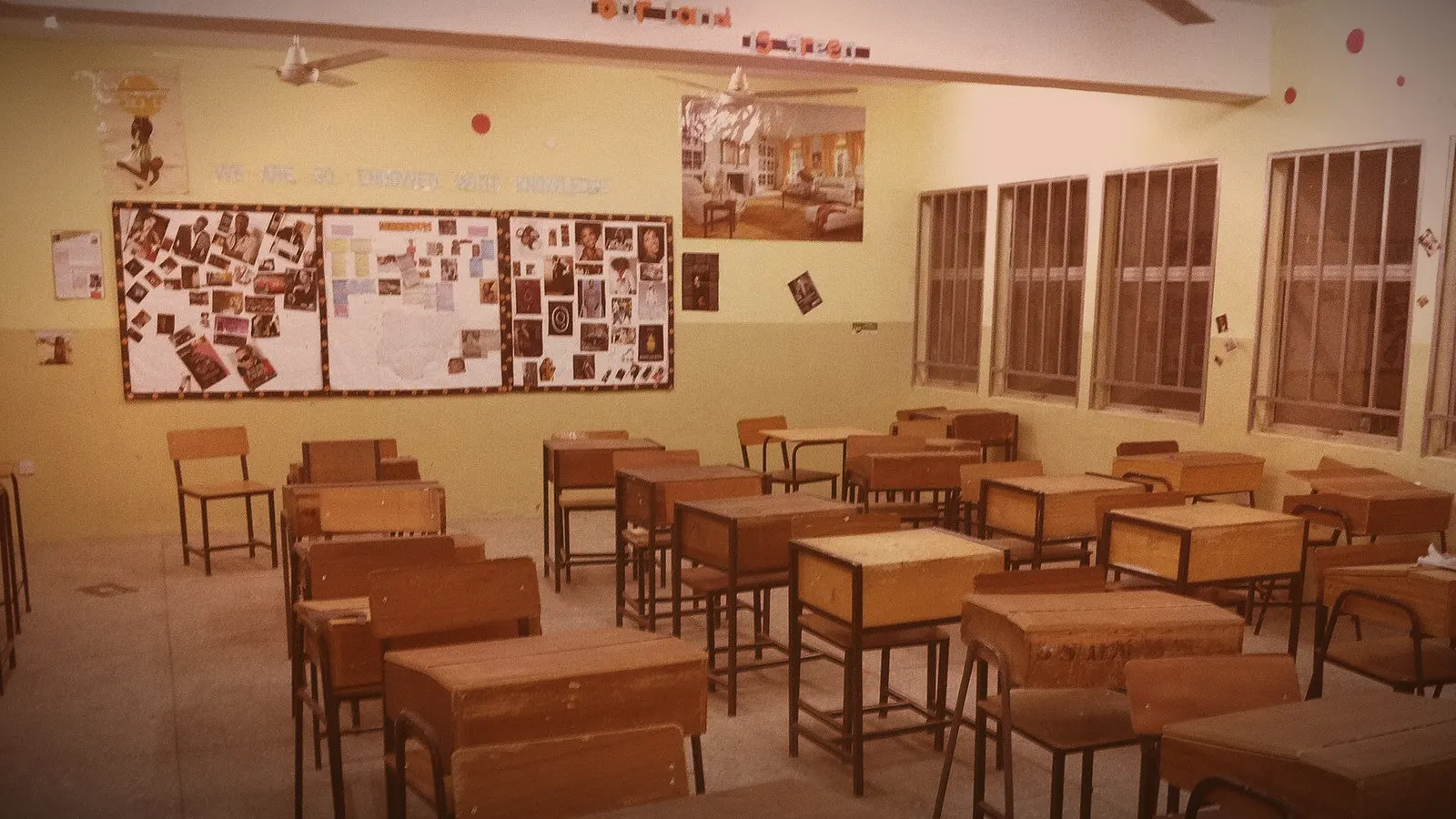
In the Askira-Uba local government area in southern Borno State (northeastern Nigeria), only 56 of the 113 primary schools are still operating, the local education secretary, Fasuma Askira, told Al Jazeera in a report published on October 8, 2026. Before the attack on the village of Mussa, 76 schools were open: twenty have closed since then.
The cause is fear. Amnesty International Nigeria recorded at least 1,100 people kidnapped in the north of the country between January and April 2026, a figure the organization believes is likely an underestimate, as many cases in remote areas are never reported, the Nigerian Tribune reports.
Dated attacks, families without news
On May 15, 2026, suspected fighters attacked Mussa and kidnapped dozens of children. The state government mentions about forty children still missing, while a register cited by media outlets identifies forty; the figures vary according to the source. On June 29, 2026, the Government Day Secondary School in Lassa was attacked during national exams: 36 students and one teacher are reportedly still being held.
Kidnappings also strike on the roads. On January 13, 2026, the sister of 45-year-old Laraba Dauda was kidnapped on the Biu-Buratai road. "We need the government to come to our aid," she pleaded to Al Jazeera more than six months later. On March 30, the son of Anjikwi Hena, who had just finished his studies and was preparing to leave for work in Maiduguri, was kidnapped in turn.
The price paid by families
To raise ransoms, relatives sell livestock, give up assets, borrow money, and exhaust their savings, according to Al Jazeera. The director of Amnesty International Nigeria, Isa Sanusi, describes victims held for months, exposed to violence, and points out that the authorities' failure to protect the population constitutes, in his view, a violation of the Nigerian Constitution and the African Charter on Human and Peoples' Rights. The organization emphasizes that the threat keeps children away from school for the long term, especially in rural areas.
For security analyst Khalifa Dikwa, cited by Al Jazeera, kidnapping has become "a lucrative business" whose ransoms fund weapons and recruitment; he advocates for intelligence-led operations, modern equipment, and better conditions for soldiers.
The response of Borno State
The state commissioner for information and internal security, Usman Tar, reports military and non-military measures: logistical support for the armed forces, the use of civilian volunteers, drones equipped with thermal sensors, the deployment of soldiers and vigilantes in Mussa and Lassa, prosecution of the perpetrators, and financial aid provided by state emergency agencies. Junior secondary school students from Mussa have been transferred to a boarding school in Uba. According to him, attacks have declined in some affected areas.
Borno is the epicenter of the insurgency that has lasted for more than fifteen years in northeastern Nigeria. But the most telling statistic is not military: it is the number of classrooms now empty in a region where school remains the primary tool of emancipation for a large youth population.
This article was written in French with the help of artificial intelligence from the sources cited below, then translated from French automatically. Read the original.