Cholera: Three cases in Kingabwa worry Kinshasa, over 1,800 dead in DRC since January
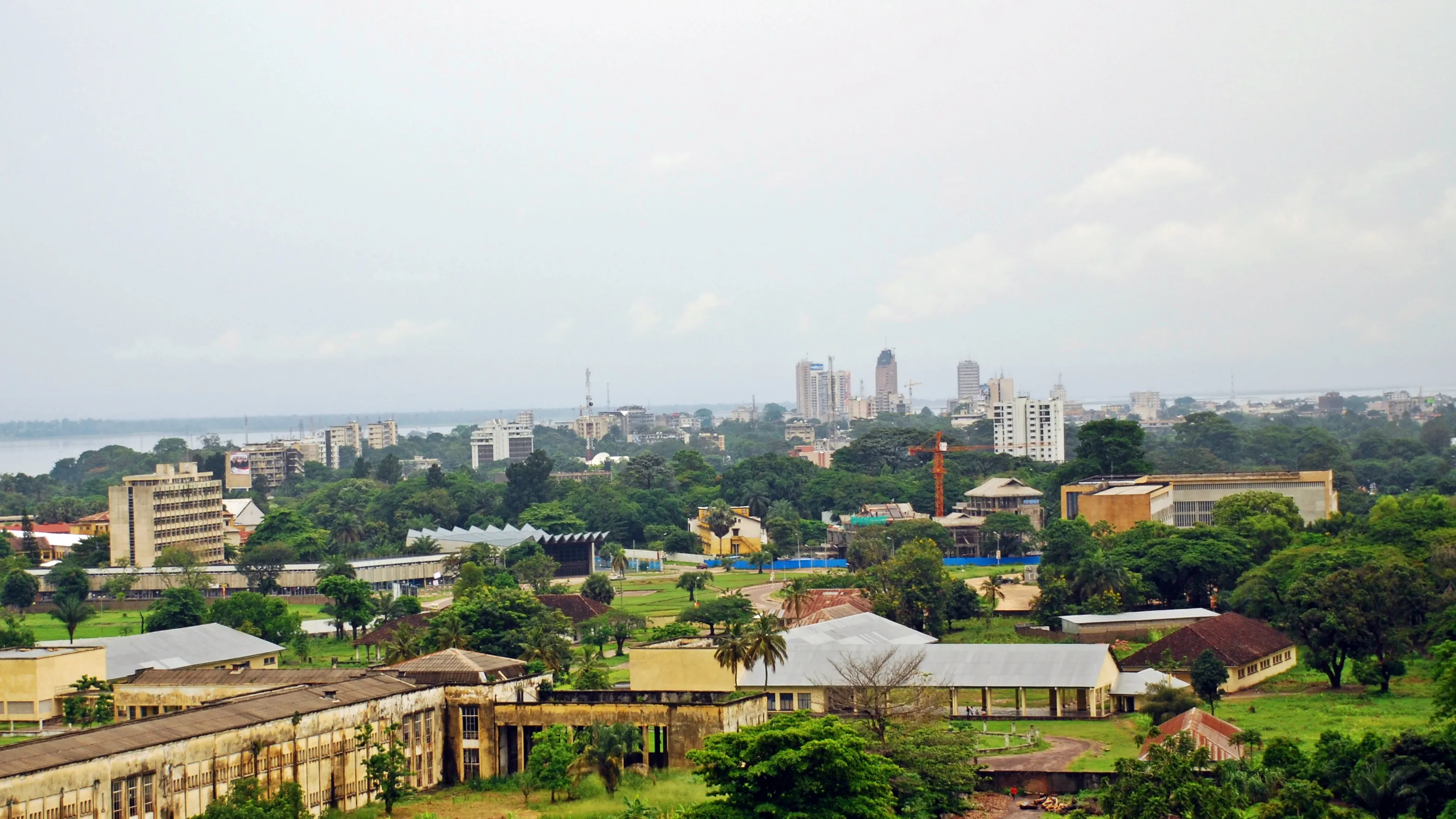
Three cases of cholera were reported in Kingabwa, in the east of Kinshasa, a few days before November 6, 2026. In the Congolese capital, the announcement has revived anxiety among residents, reports Deutsche Welle.
Since the beginning of the year, the Democratic Republic of Congo has recorded more than 60,000 cases and 1,800 deaths, according to the World Health Organization as cited by DW. The institution fears a spread of the disease to Kinshasa.
Neighborhoods already familiar with the disease
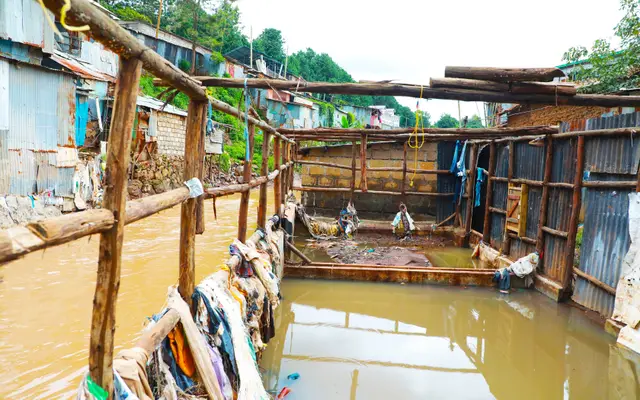
Kingasani was among the areas affected at the beginning of the year. Its residents fear a new outbreak and say they have strengthened their precautions. In February 2026, five health zones accounted for more than 80% of infections: Limete, Kingabwa, Kalamu II, Binza Ozone, and Kingasani, according to DW. The neighborhoods of Ndanu and Pakadjuma are considered the most exposed; Pakadjuma was recently destroyed, but its residents have returned.
"We are afraid"
"Cholera is a disease that kills quickly. We are afraid," a resident encountered on the street told DW. A fruit seller in Kingasani explains: "I wash my hands with soap often." A teacher at a local school summarizes the instruction: "We keep washing our hands."
In the absence of an official announcement, this neighborhood vigilance serves as the first line of defense. Dr. Bernard Nsongolo, the physician in charge of the Christ Roi health center in eastern Kinshasa, also emphasizes hygiene: "What I would ask for is, much more, to take hygiene measures," he told DW.
Recognizing the signs
The doctor describes a clinical picture without fever, involving liquid diarrhea, vomiting, and general fatigue. Transmission occurs mainly through the ingestion of water or food contaminated by fecal matter containing the bacteria. Without treatment, dehydration can be rapid and fatal.
The recommendations reiterated in the article are simple and inexpensive: drink protected water, cover latrines, cook food thoroughly, and avoid raw vegetables and unpeeled fruits in high-risk areas.
What comes next
DW does not report any official measures announced or an organized response at this stage. Yet, cholera is not inevitable: it is the disease of missing water networks and sanitation that never arrives. In a city of several million inhabitants, every week of delay in providing drinking water is paid for in lives. What the residents of Kingasani are saying with their soap is that they have understood before anyone else what protects them, and what they are owed.
This article was written in French with the help of artificial intelligence from the sources cited below, then translated from French automatically. Read the original.