Nairobi: 1.5 million people urged to flee El Niño rains, two years after 2024
The Kenyan meteorological service has warned that potentially intense rainfall will hit the country between October and December 2026, and the government has asked approximately 1.5 million people living in flood-prone areas to move to higher ground, reports Africanews on November 13, 2026. Two years after the 2024 floods, which swept away homes, destroyed livelihoods, and caused deaths, Nairobi's informal settlements are preparing on their own as much as they are with the state.
In Mathare, the river is cleaned by hand
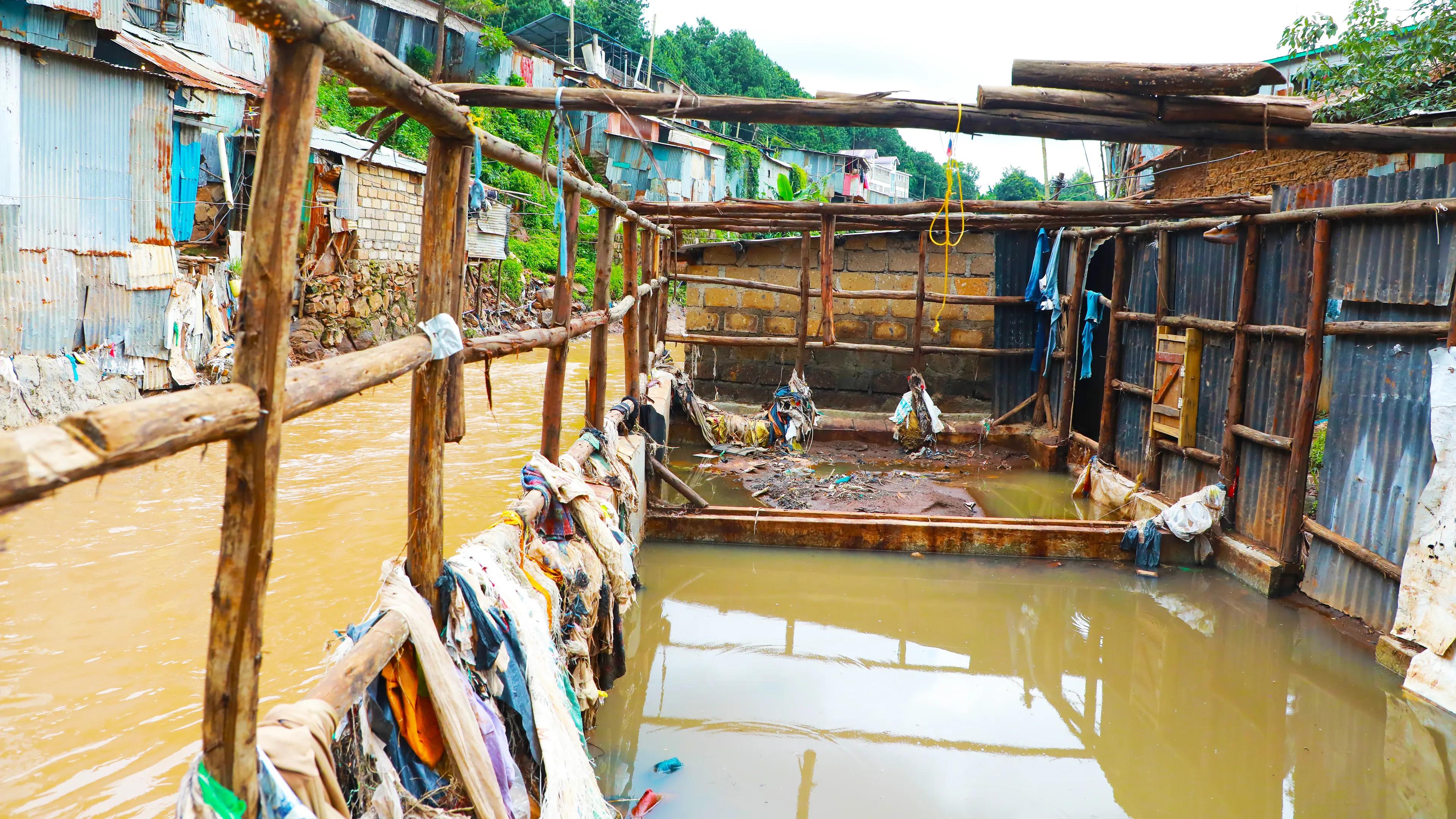
In the informal settlement of Mathare, Victor Ojoo lost his home and livestock during the previous floods. Today, he leads collective cleanup operations of the Mathare River, a practice that did not exist before, he explains to Africanews: "the 2024 rains really affected us." Clearing the riverbed has become the first available line of defense for these residents.
What the state is promising this time
A government official, whom Africanews does not name, states that rescue is "a matter of life and death" and announces the pre-positioning of rescue teams, food, and non-food supplies in reception centers in case of evacuation. Nairobi County has identified possible evacuation sites. According to OkayAfrica, which cites the AP agency on November 13, 2026, the meteorological service is speaking of a "super El Niño" with a peak expected in November, about 172 shelters have been identified, alerts will be broadcast via the operator Safaricom, and houses bordering the Nairobi River have been demolished to clear a buffer zone of about thirty meters. The agency cites Mary Okello, who lost everything in 2024.
"Communities must be involved"
The Kenya Human Rights Commission (KHRC) is demanding that residents not be displaced without prior consultation or relocation solutions, and is calling for "equal treatment" for informal settlements, reports Africanews. The organization wants communities to be involved in decisions rather than treated as mere "subjects." It warns of a possible humanitarian crisis, according to OkayAfrica.
A risk created by urban planning
Africanews points out that Nairobi's vulnerability is also due to decades of failed planning: encroachment on wetlands and construction in flood-prone areas. The question for the coming weeks is therefore not just the speed of relief efforts, but the equality of protection between wealthy neighborhoods and those where the very people being asked to leave currently live.
This article was written in French with the help of artificial intelligence from the sources cited below, then translated from French automatically. Read the original.