Central Sahel: 4 million displaced, double the 2020 figure, with UNHCR plan only 27% funded

Burkina Faso, Mali, and Niger now have nearly 4 million forcibly displaced people, compared to 2 million in October 2020: the figure has almost doubled in five years, the United Nations High Commissioner for Refugees (UNHCR) stated during a press briefing in Geneva, in information published on October 9, 2026, by UN News. Among them, more than 818,000 people are registered as refugees or asylum seekers.
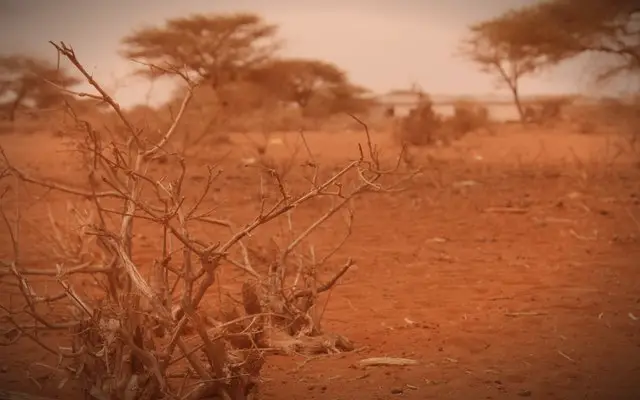
The UNHCR attributes this worsening situation to a combination of armed insecurity and climate shocks. "Combined, these pressures are forcing more families to flee," said Abdouraouf Gnon-Konde, Director of the UNHCR Regional Bureau for West and Central Africa. Droughts, irregular rainfall, and floods are destroying crops and homes and limiting access to water, further reducing the resources of farming and pastoral families.
In Koro, almost as many refugees as residents
In Mali, the majority of refugees come from neighboring Burkina Faso. In Koro, in the Bandiagara region, there were approximately 86,000 of them in July 2026 following several waves of arrivals since 2025, a number almost equal to that of the town's inhabitants, according to the UNHCR. More than 14,000 children and 6,000 women are identified there as being particularly vulnerable. At the same time, more than 334,000 Malians are themselves refugees abroad.
Burkina Faso has about 500,000 nationals who are refugees or asylum seekers in neighboring countries this year, compared to more than 300,000 at the end of 2025. More than 106,000 Nigeriens are also registered outside their borders. This exodus is heading mainly toward Benin, Côte d'Ivoire, Ghana, and Togo.
Fields cultivated together by refugees and residents
The UNHCR also highlights responses coming from the ground. In Koro, agricultural cooperatives associating refugees and host populations grew from 21 hectares cultivated in 2025 to 45 hectares in 2026. In Kaya, Burkina Faso, similar support aims to increase harvests, reduce post-harvest losses, and generate income.
A plan only 27% funded
The UNHCR's response plan for the Sahel has received only 27% of the 329.6 million dollars deemed necessary. The agency says it must make "difficult choices" regarding the essential services it can maintain. It is calling for more resources to protect the most vulnerable, preserve access to education, and help families regain sustainable livelihoods.
This article was written in French with the help of artificial intelligence from the sources cited below, then translated from French automatically. Read the original.