Yasuo Takamatsu: 13 years of diving to find his missing wife
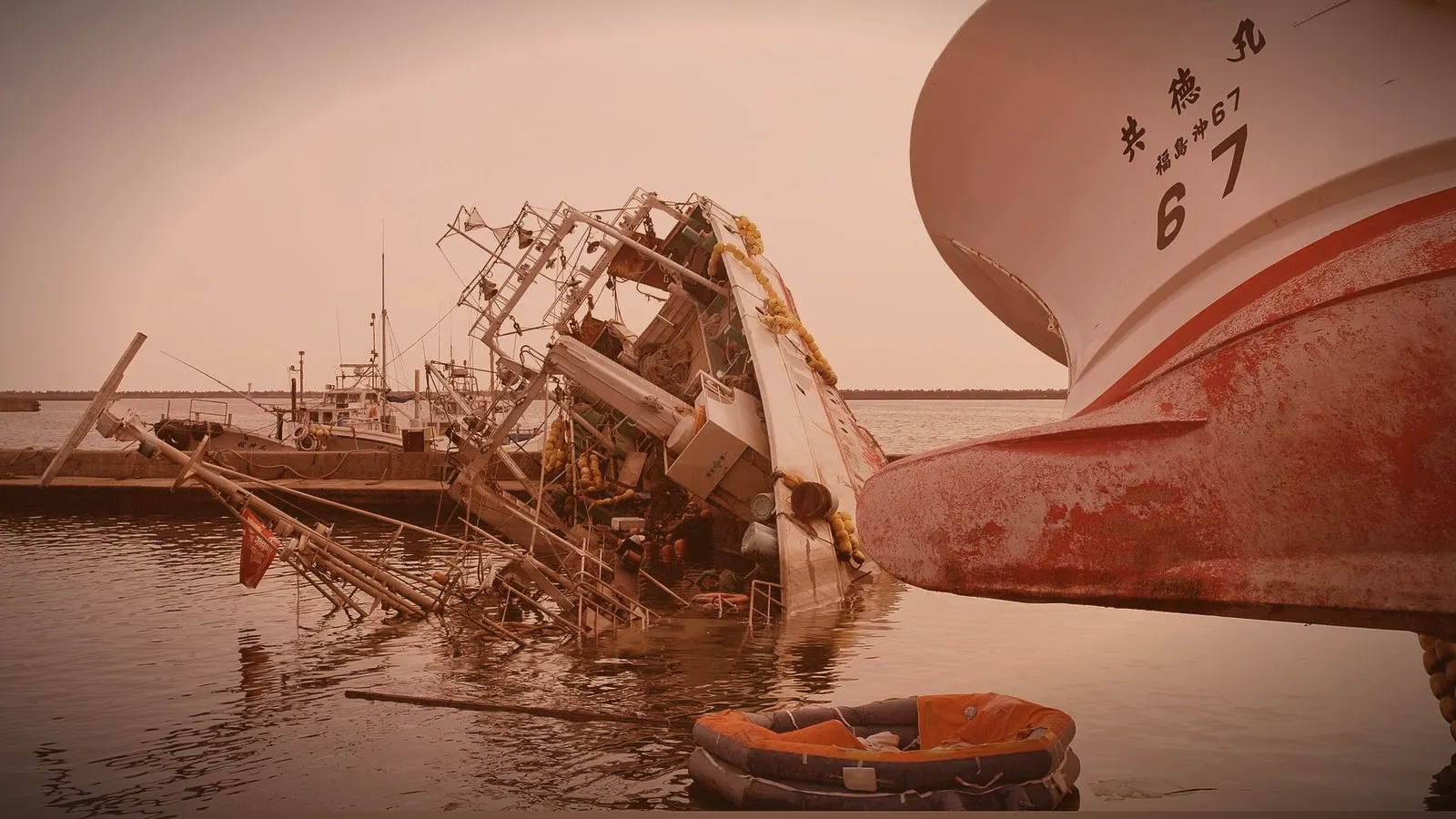
For more than 13 years, Yasuo Takamatsu, a resident of Miyagi Prefecture in Japan, has dedicated part of his time to a deeply moving personal quest. According to BBC Afrique, this man ventures out to sea twice a month, off the coast of Onagawa, to dive into the waters where his wife, Yuko, disappeared during the devastating 2011 tsunami.
On the day of the disaster, Yuko was on the roof of her workplace when she was swept away by the gigantic wave. Despite the searches conducted after the tragedy, her body was never found. Yasuo Takamatsu, who had initially hoped to find her safe and sound, had to face the absence of a grave, making traditional mourning impossible.
Determined to remain close to his wife, Yasuo learned to dive in his fifties. He has since completed more than 760 dives, transforming this search into an intimate ritual. For him, these immersions are not just a quest, but a way to feel connected to Yuko where she disappeared, far from conventional terrestrial graves.
Over the years, this ritual has evolved, allowing Yasuo to find a form of peace in the face of nature's power. Although he still feels deep sadness when observing the underwater debris, he has learned to accept the inevitability of natural disasters while continuing to honor the memory of his missing partner.
Our perspective
The story of Yasuo Takamatsu bears witness to human resilience in the face of natural tragedies. For Africans, who are often confronted with climate hazards and the challenges of memory, this act highlights the universal importance of dignity in mourning. Preserving the memory of the departed, even in the absence of a grave, remains a fundamental pillar of our shared humanity and our need for memorial justice.
This article was written in French with the help of artificial intelligence from the sources cited below, then translated from French automatically. Read the original.