ECOVISA: ECOWAS tests the single West African visa promised since 2011 in Dakar
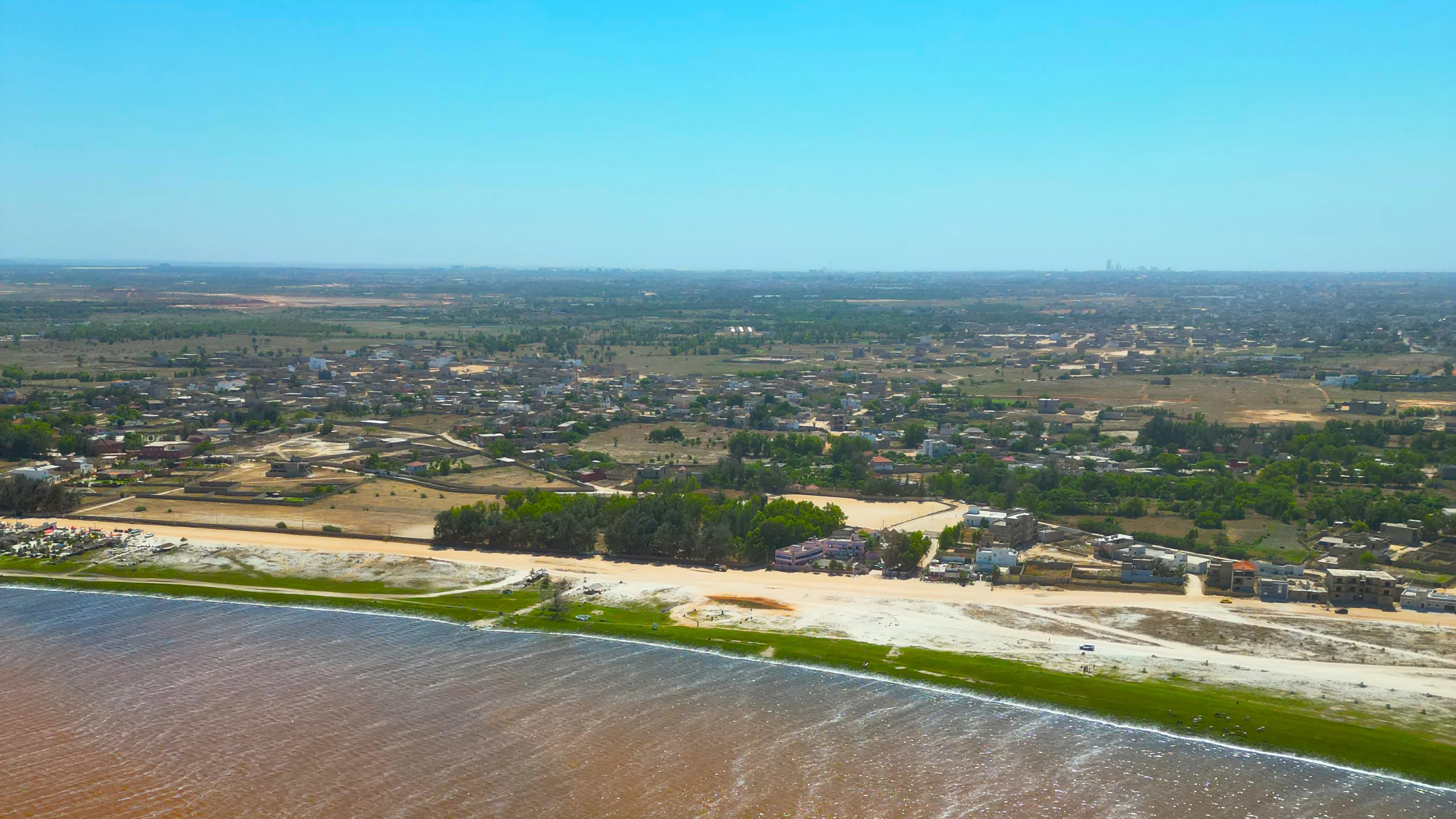
The Commission of the Economic Community of West African States (ECOWAS) gathered immigration, visa, foreign affairs, and border management administrations from its member states in Dakar from November 10 to 12, 2026, for a technical review of ECOVISA, the single regional visa inspired by the Schengen Area. This information was included in a Commission statement published on November 13, which was reported by the Tunisian daily La Presse.
The participants, joined by information systems experts, examined a prototype of a digital portal developed with the support of TradeMark Africa. According to the statement, the next steps include user acceptance testing, a pilot phase, and then an in-depth regional review.
A quarter-century-old promise
The idea is not new. As early as May 2000, ECOWAS heads of state formulated a vision for a West Africa without borders. An additional act establishing a single regional visa was adopted in 2011. Fifteen years later, the mechanism is still at the prototype stage.
In the meantime, the 1979 protocol on free movement continues to do the work: it allows ECOWAS nationals to enter other member countries without a visa. The statement does not specify which nationalities will be eligible for ECOVISA, nor the fee, the validity period, or the conditions of stay.
What is at stake behind a document
The Commission places the project within the framework of the African Continental Free Trade Area (AfCFTA) and the African Union's Agenda 2063. The logic is simple: a common market assumes that people circulate as easily as goods. Even today, a business traveler, researcher, or student from another continent must navigate multiple consular procedures to visit several West African capitals in succession.
No official launch date has been announced. As long as user testing and the pilot phase have not taken place, ECOVISA remains a documented intention, not a visa that one can apply for. The Dakar meeting will have at least served to verify that the machine exists.
This article was written in French with the help of artificial intelligence from the sources cited below, then translated from French automatically. Read the original.