Sudan: 8 of Khartoum's 30 pharmaceutical factories have reopened, as chronic patients choose between eating and medical care
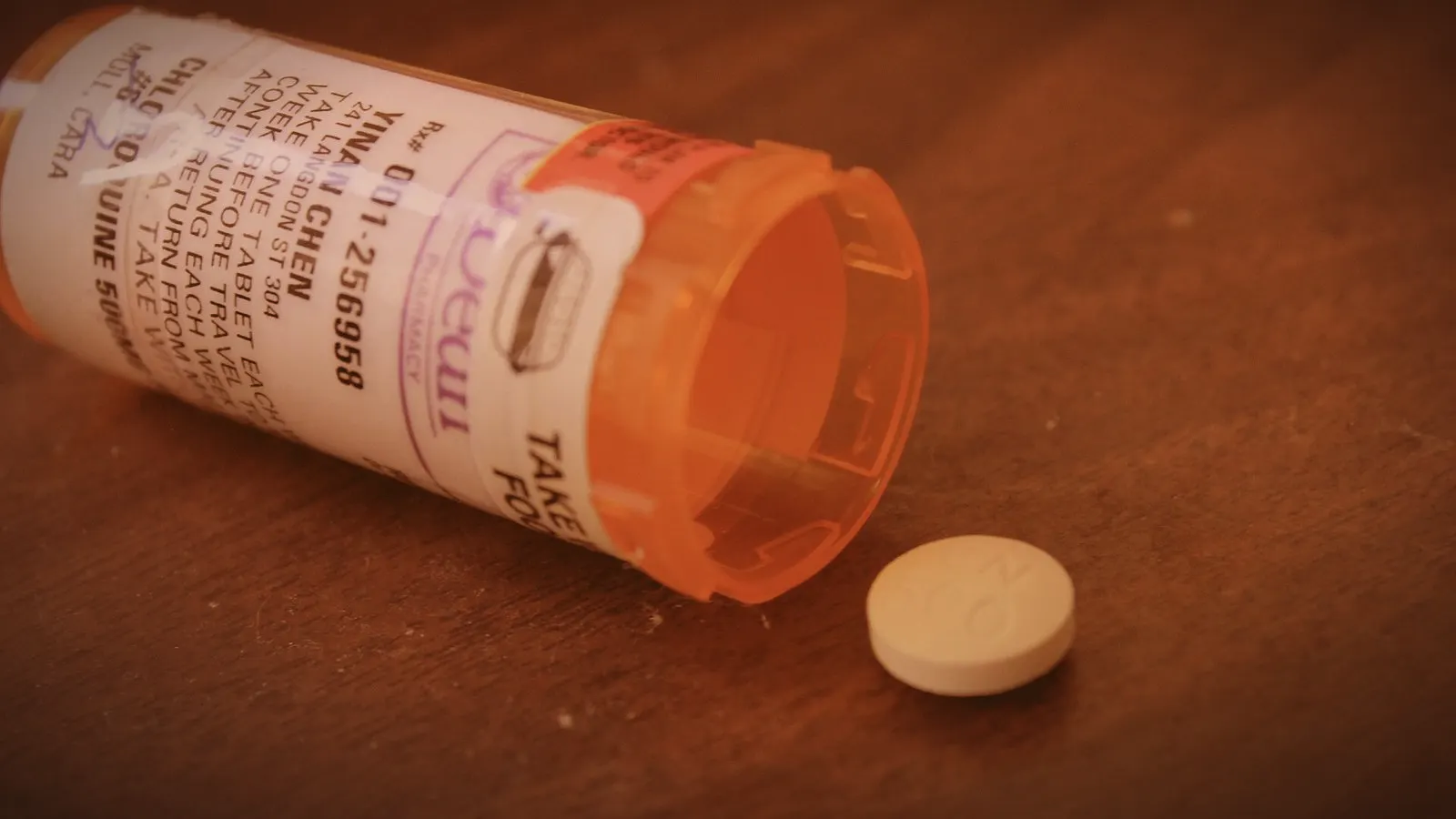
In Sudan, the war that has pitted the army against the Rapid Support Forces (RSF) since April 2023 has turned daily treatment into an impossible burden for hundreds of thousands of chronic patients. In an investigation published on October 18, 2026, Al Jazeera documents the difficult choices families are forced to make as they decide between buying medicine and buying food.
A pharmaceutical industry in ruins
The National Medical Supplies Fund estimates the losses suffered by medical stocks, infrastructure, and transport fleets at $500 million. Of the thirty pharmaceutical factories in Khartoum that were closed during the fighting, only eight have resumed operations, according to the National Medicines and Poisons Board as cited by Al Jazeera. The United Nations Development Programme estimates that Sudanese incomes have fallen back to 1990s levels.
Added to this is the collapse of the currency. A pharmacist in Port Sudan, Hossam al-Naeem, explained to the Qatari media outlet that the dollar was trading at around 600 Sudanese pounds before the war, compared to about 9,300 pounds on the black market today.
Keeping insulin without a refrigerator
Hasanat al-Rashid, 48, lives in Khartoum and has been diabetic for fifteen years. An insulin pen costs 70,000 pounds, or about $8, and she would need one or two per month: she has given up on them and buys a vial for 17,000 pounds, about $1.80. The challenge remains how to store it. Lacking a refrigerator, she must buy ice for about 180,000 pounds per month, roughly $20.
Fatima Adam, 75, was admitted to the Port Sudan hospital for heart complications. She takes six medications for hypertension and a thyroid disorder, costing 160,000 pounds per month, or about $17.80. Before the war, the National Health Insurance Fund covered most of the bill, and she only paid a quarter of it. Her daughter Aisha now buys the treatments in small quantities, whenever money comes in.
In El-Obeid, in North Kordofan, Huda Mahmoud, 58, takes five medications for a heart condition diagnosed more than twelve years ago. Her fear, she confides to Al Jazeera, is forgetting one or running out entirely.
A health crisis behind the military crisis
These accounts reveal a reality that combat reports do not measure: in a country where the public health system has been dismantled, chronic illness becomes a social sentence. The patients mentioned live in Khartoum, Gezira State, Port Sudan, or Kordofan, in both recaptured areas and regions spared by the front lines. The reconstruction of national pharmaceutical production and the restoration of health insurance will determine their survival as much as the outcome of the fighting.
This article was written in French with the help of artificial intelligence from the sources cited below, then translated from French automatically. Read the original.