Nearly 64,000 Nigerians refugees in Niger in 2026, and only 5% registered
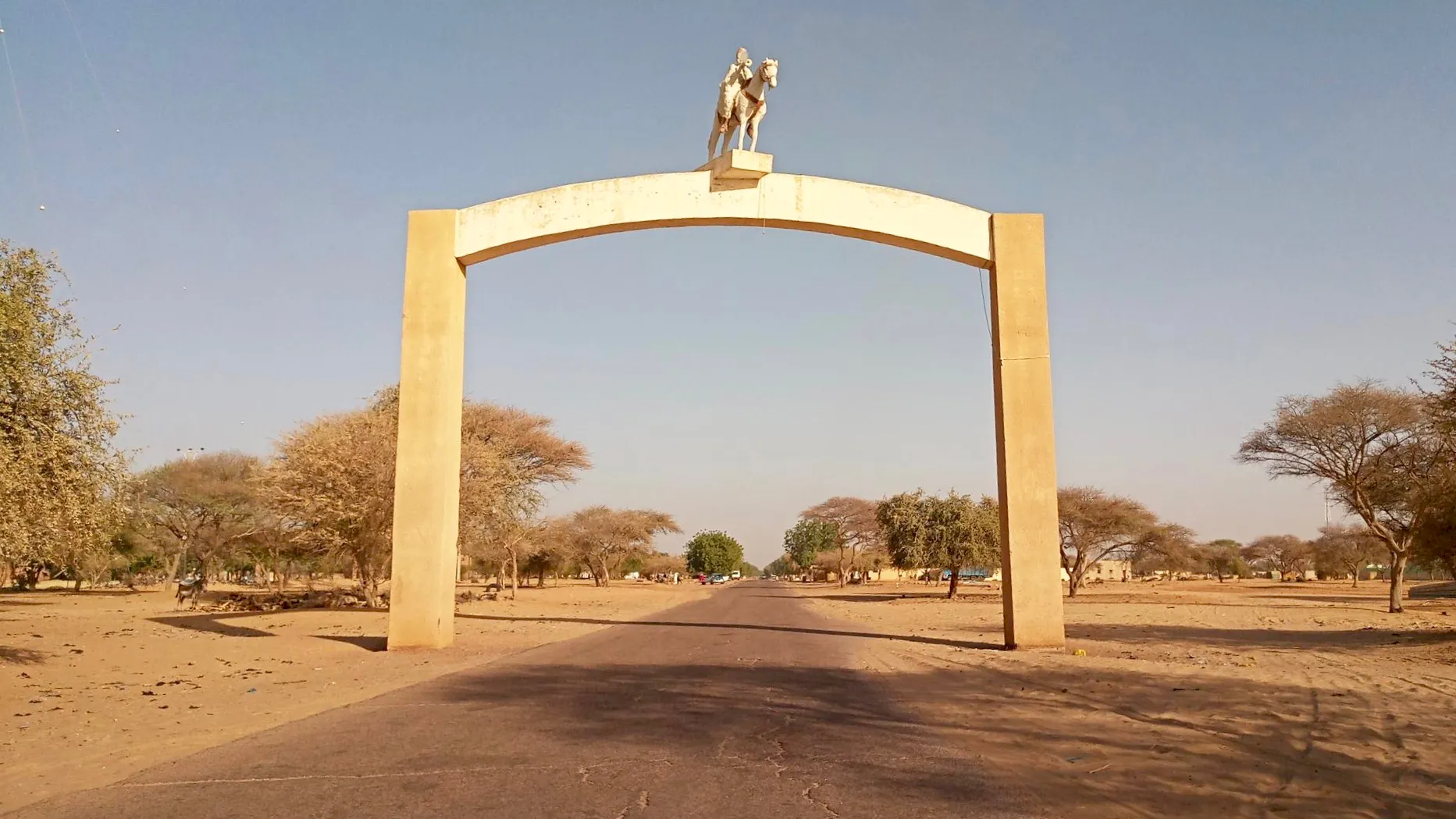
Nearly 64,000 people have fled northern Nigeria for Niger since the beginning of 2026, and several hundred have reached Benin, according to a briefing note from the United Nations High Commissioner for Refugees reported by UN News on November 10, 2026. Only about 5% of these Nigerian refugees have been registered due to a lack of funding.
This detail is not merely administrative. Without papers, a family has much greater difficulty accessing food aid, healthcare, and schooling, and becomes more exposed to abuse. For the month of October 2026 alone, approximately 1,200 people entered the Diffa region in the southeast of the country, and 3,400 entered the Tahoua region in the west, both of which border Nigeria.
The causes are well-known and intertwined: jihadist insurgencies, armed banditry, and conflicts between farmers and herders in northern Nigeria. The Diffa region alone accounts for more than 70% of the security incidents reported in Niger this year, including armed attacks and violence against civilians.
Two crises in the same place
Before 2026, Niger was already hosting more than half a million refugees and asylum seekers, including approximately 327,500 from Nigeria, in addition to its own internally displaced persons. Added to this pressure is the drought: due to irregular rainfall, cereal production is expected to be insufficient in about 700 of the 1,000 villages in the Diffa region, where nearly 70% of pastures have been lost.
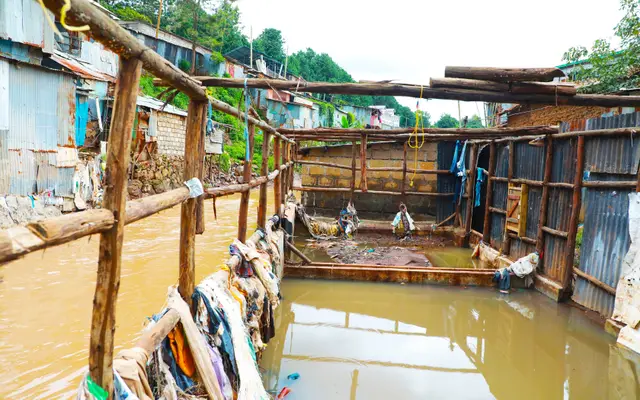
The reception conditions described by the UNHCR are harsh. Many new arrivals, including numerous children, live in makeshift shelters that provide poor protection against the elements. Malnutrition is high, access to drinking water is limited, and refugee women report walking several kilometers to find it. Humanitarian partners report precarious hygiene and widespread respiratory infections.
Schooling is another major issue. Children arrive from an English-speaking Nigerian education system, while Hausa is the official language of Niger, according to UN News, and some reception sites have neither schools nor transition classes. A generation is at risk of losing several years of schooling.
The UNHCR nevertheless commends what Dominique Hyde, from the agency, calls a "remarkable solidarity" from the Nigerien authorities and host communities, who have notably made land available for temporary shelters. The agency is calling for $11.4 million to strengthen the response in Niger, Nigeria, and Benin, including $2 million for immediate needs: water, food, shelter, health, registration, and protection. Without additional resources, Ms. Hyde warns, thousands of vulnerable families risk being left without essential assistance.
This article was written in French with the help of artificial intelligence from the sources cited below, then translated from French automatically. Read the original.