Gabès: Ten environmental activists sentenced six years after sit-in against phosphate plant
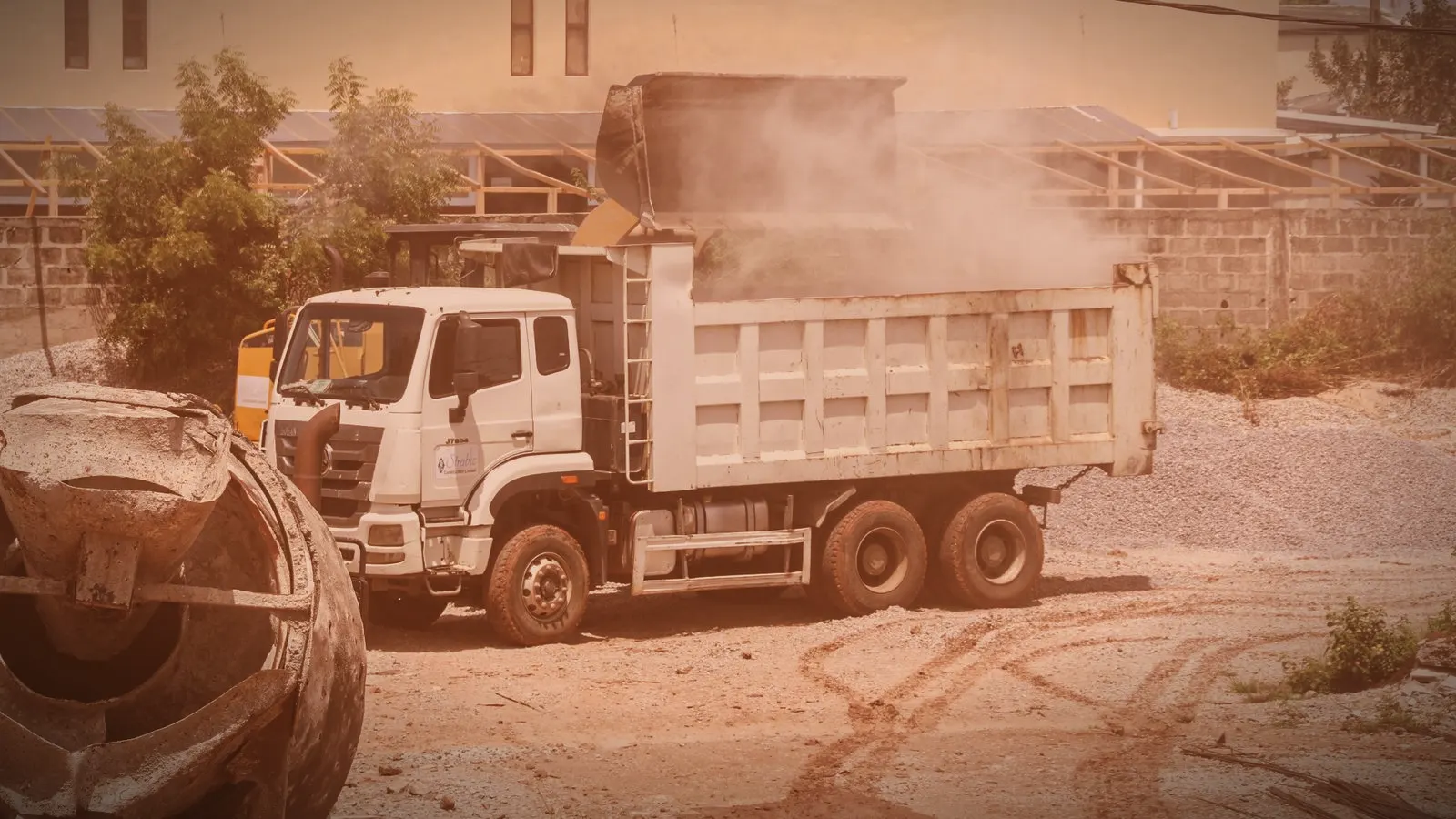
Ten environmental activists from Gabès, in southern Tunisia, were sentenced on October 21, 2026, for their participation in a sit-in organized in 2020 against pollution attributed to the city's large phosphate processing plant. Eight received six-month suspended prison sentences and two received one-year firm prison sentences, according to their lawyer Hamida Chaieb, as cited by Africanews.
The complaint was filed by the plant itself, the Tunisian Chemical Group (GCT), a state-owned company that accuses the protesters of obstructing its operations, reports Africanews. According to the Stop Pollution campaign, which announced the verdict on Facebook, the court recognized that the GCT had suffered damages.
A sit-in for the right to health
The 2020 protest was held in front of the GCT regional headquarters to demand the right to health, development, and a healthy environment, recalls the Tunisian site Business News. Thirteen activists were prosecuted in this case. In February 2026, the Tunisian Human Rights League denounced sentences handed down in absentia—twelve activists to one year in prison, a thirteenth to eight months—and condemned the criminalization of environmental mobilizations.
Arrested and then released, the activists thought the case was closed. They later discovered they had been tried in their absence, which led to a new trial, according to Africanews. Kheireddine Debia, a member of Stop Pollution, is among the young people from Gabès targeted by the decision, according to Business News, which did not publish the full list of names.
A city breathing phosphate
Researchers have reported that some industrial waste and emissions from the plant contain radioactive substances, which could pose serious health risks, indicates Africanews. In February 2026, a court had already rejected an emergency application aimed at suspending the polluting units. Today, Stop Pollution is denouncing the increase in industrial leaks and the restarting of obsolete facilities.
The timing did not go unnoticed by anyone on the ground: the verdict was delivered exactly one year after the general strike of October 21, 2025, in Gabès, which demanded the dismantling of the most polluting units.
Phosphate, a state priority
Tunisia plans to more than quadruple its phosphate production by 2030, a sector that President Kaïs Saïed considers vital for the economy, according to Africanews. This is the crux of the issue: when a strategic resource becomes a national priority, do the residents who pay the health price still have the right to protest?
Stop Pollution has announced new actions, the date of which has not been communicated. The convicted individuals have access to the legal remedies provided for by Tunisian law.
This article was written in French with the help of artificial intelligence from the sources cited below, then translated from French automatically. Read the original.