Sudan: Two out of three child casualties are caused by drones, UNICEF warns
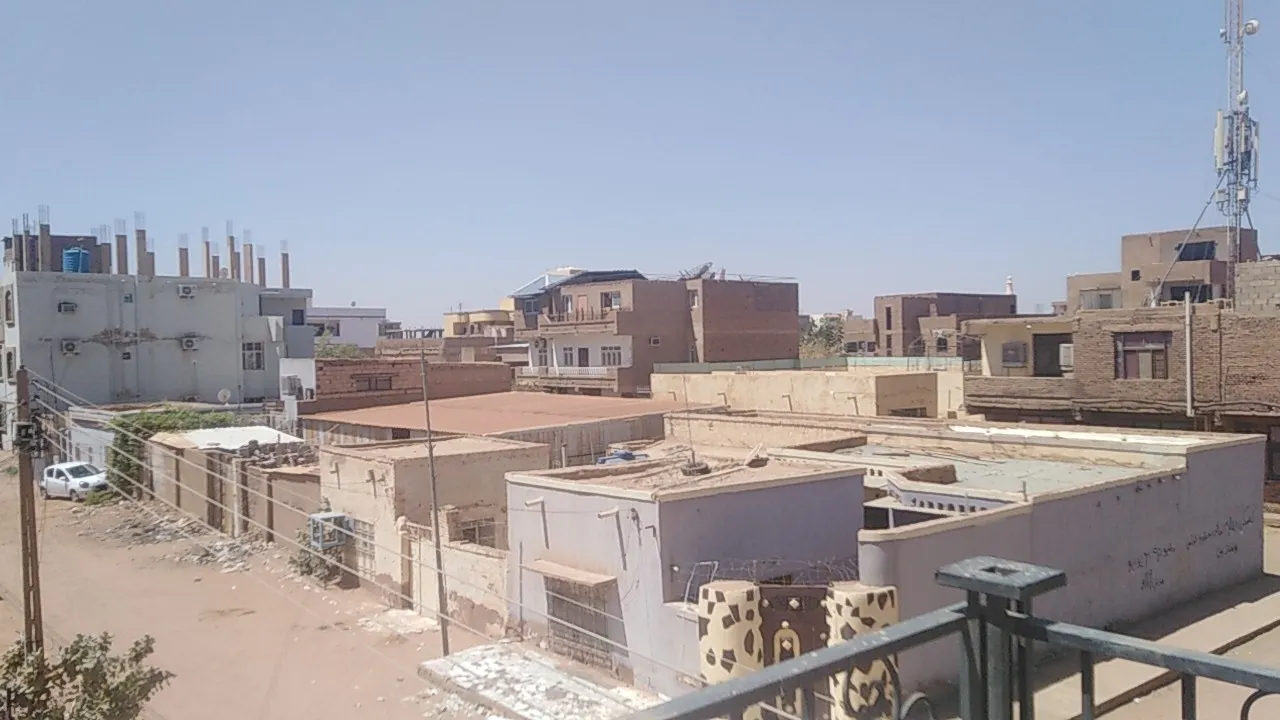
Two out of three children killed or injured in Sudan since the beginning of 2026 have been victims of drones. This figure was provided on November 10, 2026, in Geneva by James Elder, UNICEF spokesperson, during the press briefing at the Palais des Nations.
During the last week of October, not a single day passed without a Sudanese power plant being struck by an armed drone, the United Nations children's agency reports. Up to fifteen facilities were hit in the month of October 2026 alone.
Cutting power means cutting off water
"In Sudan, electricity is water," summarizes James Elder. When a power plant is destroyed, pumps and treatment stations stop, and families are forced to rely on more expensive and less safe sources. The cold chain that preserves vaccines and medicines is also threatened. Cholera outbreaks are appearing in the most hard-to-reach communities, particularly among displaced families.
A harvest already lost
Drought is compounding the war. The planting window for the 2026-2027 cereal season has largely closed, according to UNICEF, and late rains would not repair the damage. Farmers are losing their irrigation because pumps run on electricity in a country short on fuel. Prices are rising.
For the current year, UNICEF expects 825,000 children under the age of five to suffer from severe acute malnutrition.
292,000 school textbooks gone up in smoke
On September 20, 2026, a UNICEF warehouse was damaged by drones in El Obeid, in North Kordofan. Approximately 292,000 school textbooks and 40,000 Arabic and mathematics revision workbooks were destroyed there.
The agency says it has treated several hundred thousand children for severe acute malnutrition, provided access to care for more than 2.5 million people, vaccinated millions of children, repaired or solarized water networks supplying nearly 8 million people, and supported 1.5 million children and families with protection and psychosocial support. However, its response in Sudan is only one-third funded.
UNICEF is calling for an end to attacks on power plants, water networks, and civilian infrastructure, safe humanitarian access across front lines, an end to arms shipments, and flexible, sustainable funding. The war has been ongoing for three and a half years.
This article was written in French with the help of artificial intelligence from the sources cited below, then translated from French automatically. Read the original.