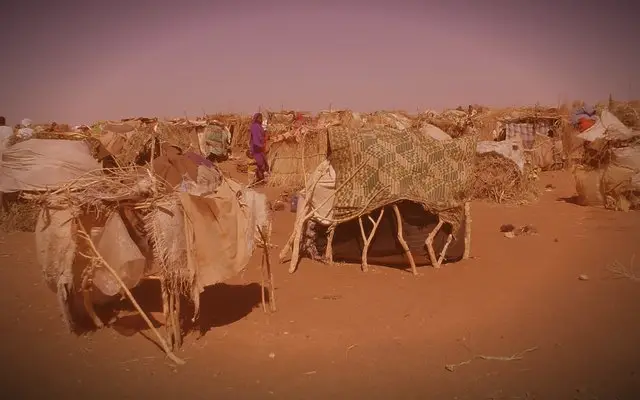
Faso Dan Fani: Burkinabe weavers secure 4 million CFA franc orders
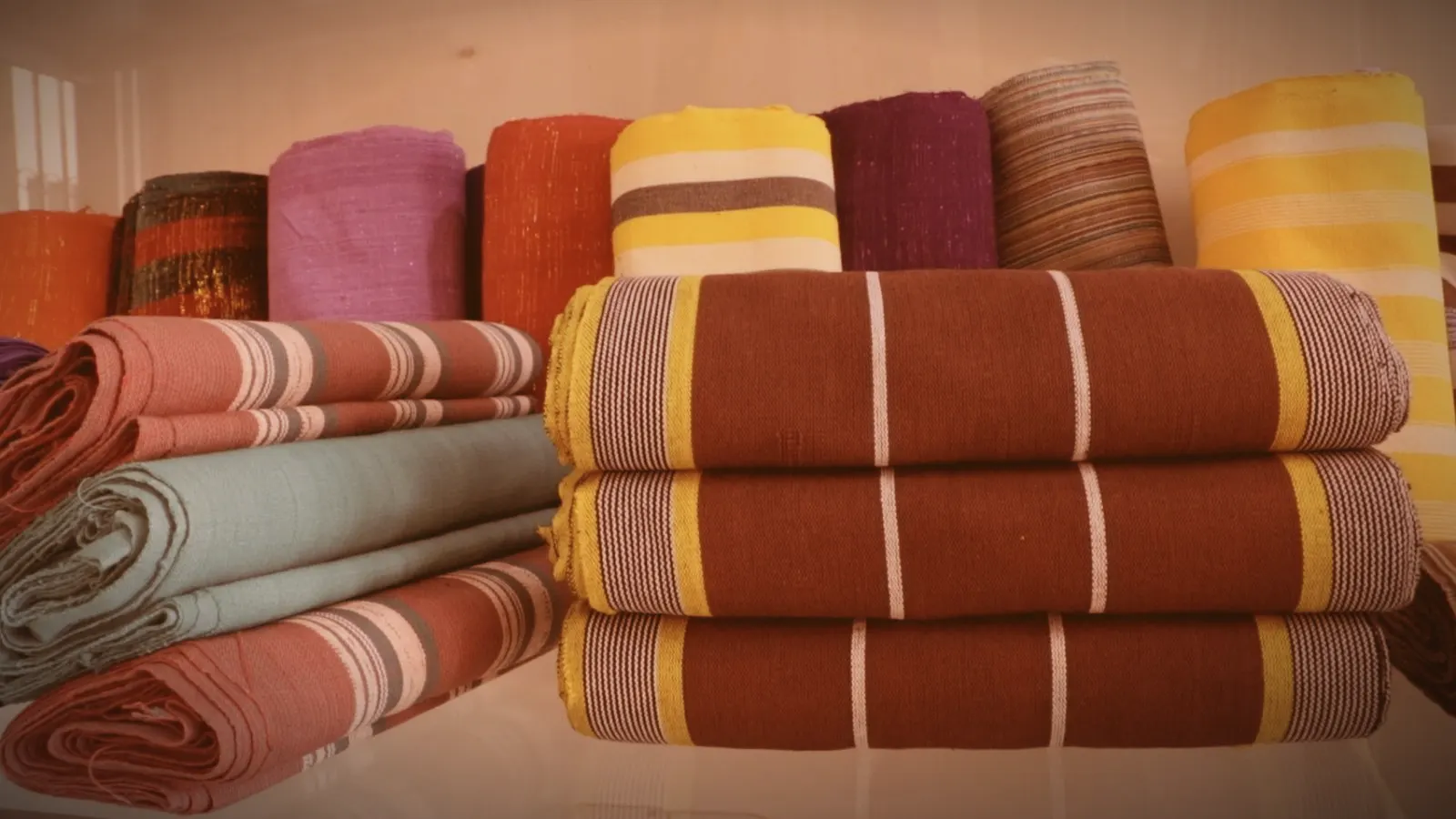
In Ouagadougou, weaver Denise Kafando, who has been working at the loom since 1986 in the 1200 Logements neighborhood, has just delivered an order worth 4 million CFA francs to a local bank and another worth 2 million to a non-governmental organization, according to a report by Bird Story Agency written by Oumarou Konaté, published on October 5, 2026, and picked up by AllAfrica. She says she is seeing rising demand, both in Burkina Faso and abroad.
Faso Dan Fani, the Burkinabe woven cloth, has become a tool of economic policy. Since September 24, 2024, the importation of weaving yarn and woven fabric has been banned throughout the country as part of the "consume local" initiative led by Captain Ibrahim Traoré. The woven cloth is now included in the dress codes for courts, schools, universities, and the army.
Real income at the household level
Prices start at 6,000 CFA francs per piece and vary according to quality, explains 50-year-old Sidonie Sawadogo, who has been weaving in Koubri since the 2000s and attributes the sector's progress to better yarn supplied by the FILSAH spinning mill. Among organic cotton producers, the scale of earnings remains modest: Mamata Konaté, from Koumbogoro in the Sissili province, has been farming organically since 2010 and reported a net profit of 100,000 CFA francs last year. Safoura Nébié, with twenty years in the trade, says she uses her income for school supplies and household expenses; her cooperative, Assandani, brings together about a hundred women.
Counterfeiting and export dependence
The sector is fighting on two fronts. From October 2025 to March 2026, seizures included 319 counterfeit pieces, 174 lots of fabric, and more than 10,160 spools of yarn, with a value of 20.5 million CFA francs. In April 2026, 31,200 counterfeit pieces valued at 156 million CFA francs were intercepted at the Ghanaian border. Pauline Bafiogo, president of the National Federation of Weavers (FENATI-BF), identifies the origin of these yarns as China, entering through Ghana.
The other limitation is structural. The Organic Cotton Ginning Company (SECOBIO-SA), created in 2018 and operational since January 2020, exports 99% of its production and sells only 1% on the national market, even though women represent nearly 60% of its producers. In other words, the added value of Burkinabe organic cotton is still largely generated outside the country: the claimed textile sovereignty will depend as much on local processing as it does on customs enforcement.
This article was written in French with the help of artificial intelligence from the sources cited below, then translated from French automatically. Read the original.