Conakry: 3,000 tons of waste per day and collection at a standstill since landfill closure
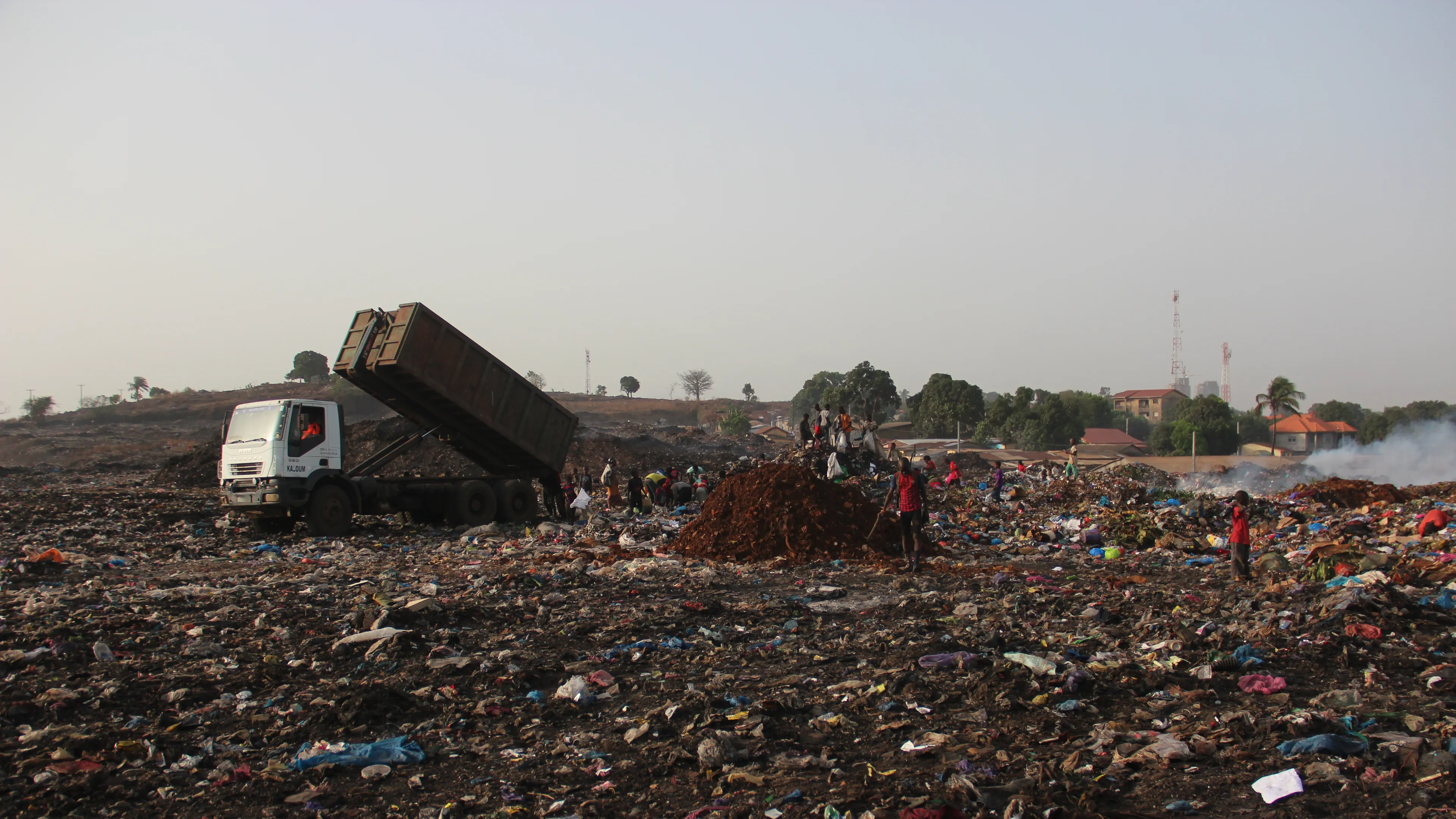
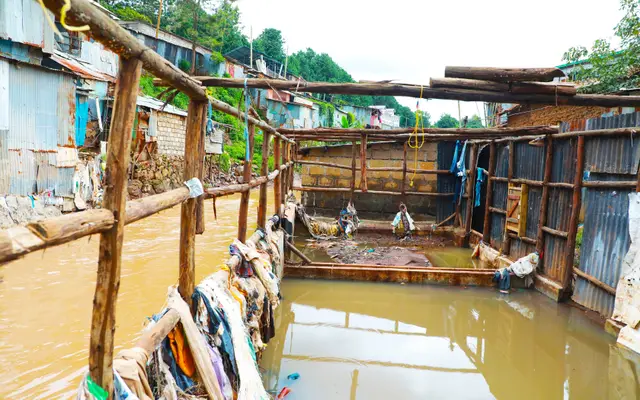
In Conakry, garbage has been piling up in the streets and along the sidewalks since Guinean authorities closed a massive landfill following a landslide that killed 35 people. Collection is at a standstill and residents fear for their health, reported Africanews with AFP on November 6, 2026.
The Guinean capital produces approximately 3,000 tons of waste per day, according to the same media outlet. Due to a lack of collection, residents are now leaving their bags wherever there is space left.
"It's hard because of the smell"
Mariam Bayo, a Conakry resident, describes a life that has become impossible: "We cannot live with the garbage," she told Africanews, mentioning the smell, the appearance of maggots, and the risk of disease. Collectors used to come by twice a week, she says, but sometimes two or three weeks would pass without any collection. She had to find someone to take her waste; before that, she would prepare a patch of land to burn it.
Burning one's trash at home is not a minor detail: it is a sign that a basic public service has ceased to function, and it is the households that pay the price, both in money and in health.
An unusable replacement landfill
The Baritode site, in the suburb of Coyah, was intended to become the capital's main landfill several years ago. Its distance and the traffic jams make its large-scale use practically impossible, according to Africanews.
For companies in the sector, the bottleneck is land-related before it is technical. Siriman Condé, director of BCEIP Environnement, an SME specializing in collection and recycling, explains that the primary difficulty is obtaining a landfill in Guinea.
What comes next
Guinean authorities have begun rehabilitation work on the Dar-es-Salam landfill, indicates Africanews, which does not provide a timeline. The media outlet also does not specify the name of the closed landfill or the date of the landslide that led to its closure.
The issue goes beyond Conakry. Waste management is one of the services that African cities, among the youngest and most densely populated in the world, must build at a forced pace. When it stops, it is the working-class neighborhoods that live with the consequences first: stagnant water, polluted air, and preventable diseases. A clean capital is not a luxury; it is a matter of dignity.
This article was written in French with the help of artificial intelligence from the sources cited below, then translated from French automatically. Read the original.