Senegal: The school year in Kaolack begins with 231 teachers missing and 35 schools flooded
The Kaolack Academy, in central Senegal, is approaching the 2026-2027 school year with a deficit of 231 teachers in secondary education. The figure was presented on October 2, 2026, by Academy Inspector Samba Diakhaté during a Regional Development Committee meeting dedicated to preparations, reports the daily newspaper Le Soleil.
Preschool and elementary levels are not spared: 124 positions remain to be filled, including 91 for French-language instruction and 33 for Arabic-language instruction. According to the inspector, quoted by Le Soleil, "this deficit is calculated based on departures that have not been replaced" or needs that remained unmet the previous year.
Classrooms still underwater
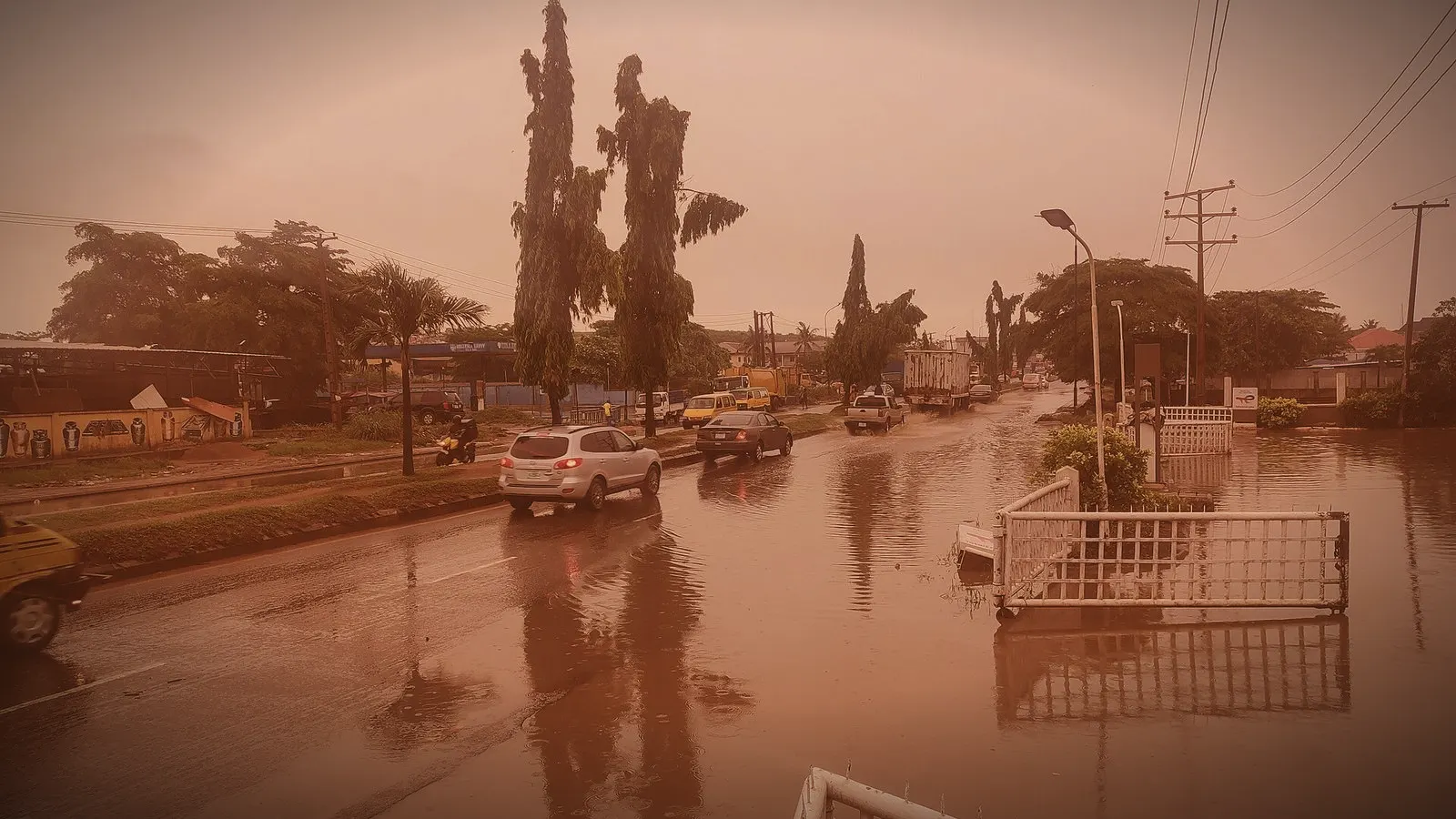
In addition to this shortage of teachers, there is the state of school infrastructure. The academy reports 35 flooded facilities and 64 others that require rehabilitation work. Furthermore, 9,500 desks are missing to accommodate students in decent conditions.
These figures highlight a recurring difficulty of the rainy season in the groundnut basin: schools built in low-lying areas, which the rainy season turns into emergency sites every year. Repair work often begins just days before the start of the school year, when it is not left to the parents of the students to handle.
Local authorities called to the rescue
The Governor of Kaolack, Guedj Diouf, has called on local authorities to secure the schools and on parents to contribute to the success of the school year, according to the same report. This mobilization of local authorities also reflects the budgetary limitations of the central government in the face of needs that have been quantified and known for a long time.
The challenge goes beyond Kaolack. The right to education remains one of the most frequently reaffirmed and least adequately funded commitments on the continent: an unfilled position means an overcrowded classroom or interrupted instruction, and it is always the same children who pay the price. The publication of this data by the Senegalese administration itself has at least one merit: it allows citizens to demand accountability regarding what will be corrected, and when.
This article was written in French with the help of artificial intelligence from the sources cited below, then translated from French automatically. Read the original.