Djibouti: Nearly 4,000 Yemeni refugees land in Obock, a town of 20,000 inhabitants
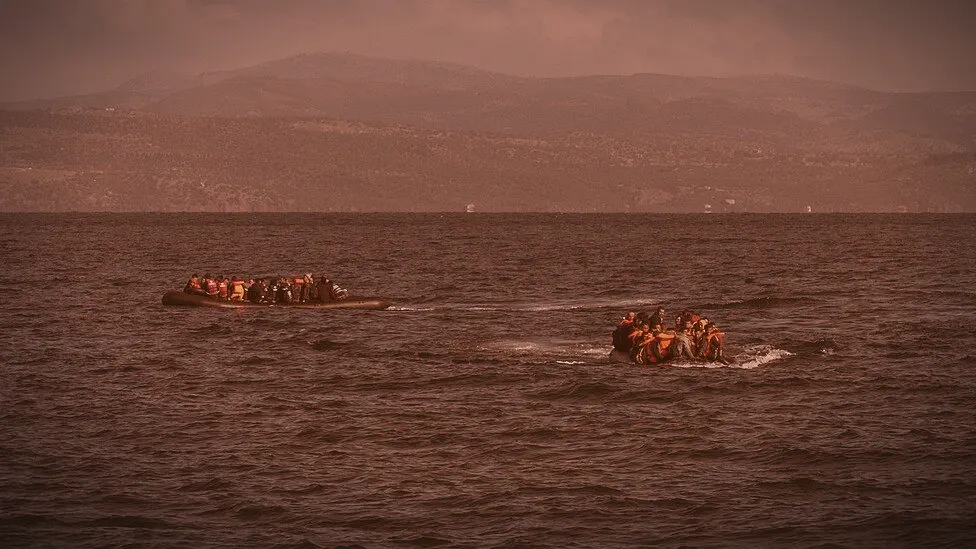
Nearly 4,000 people fleeing the fighting in Yemen have crossed the Red Sea in just a few days to land in Obock, a small coastal town in northern Djibouti with about 20,000 inhabitants. The United Nations Resident Coordinator in Djibouti, José Barahona, described the situation on October 14, 2026, during a press briefing held via videoconference from New York.
Most of these arrivals are fleeing the bombing around the port of Mokha, on the west coast of Yemen, since an escalation occurred about a month ago. More than half are children; the majority of the others are women. "It is becoming a perfect storm in this part of Djibouti," said José Barahona.
A town already under pressure
Obock did not have the means to absorb this shock. About a quarter of its local population is already experiencing acute food insecurity, according to the UN. The town is also one of the main transit points on the Horn of Africa migration route: between 250,000 and 300,000 people, mostly from rural areas of Ethiopia, pass through Djibouti each year, and many now find themselves stranded there.
Shortly before, the sinking of an overloaded boat carrying more than 300 people off the coast of Djibouti claimed the lives of 139 migrants, while 84 remained missing: more than 200 people may have perished, according to the UN.
A country of 1.1 million inhabitants on the front line
Djibouti, which has 1.1 million inhabitants, is already hosting some 35,000 refugees from neighboring countries. "There is a limit to what Djibouti can provide," warned the UN coordinator. On the ground, the International Organization for Migration is distributing 1,500 hot meals twice a day and managing a reception center in Obock; the World Food Programme is providing food aid, UNICEF is working on water supply, and the UNHCR is supporting the registration of arrivals.
Funding, however, is not keeping pace: of the approximately 7 million dollars deemed necessary, only 2.8 million have been confirmed, which is less than half. The episode illustrates a constant in the crises of the Horn: it is the closest and least-endowed countries that bear the human burden, while international commitments arrive late and partially. UN agencies say they are awaiting new contributions to hold out beyond the coming weeks.
This article was written in French with the help of artificial intelligence from the sources cited below, then translated from French automatically. Read the original.