Togo: 107,000 households already equipped with clean cooking, two million targeted
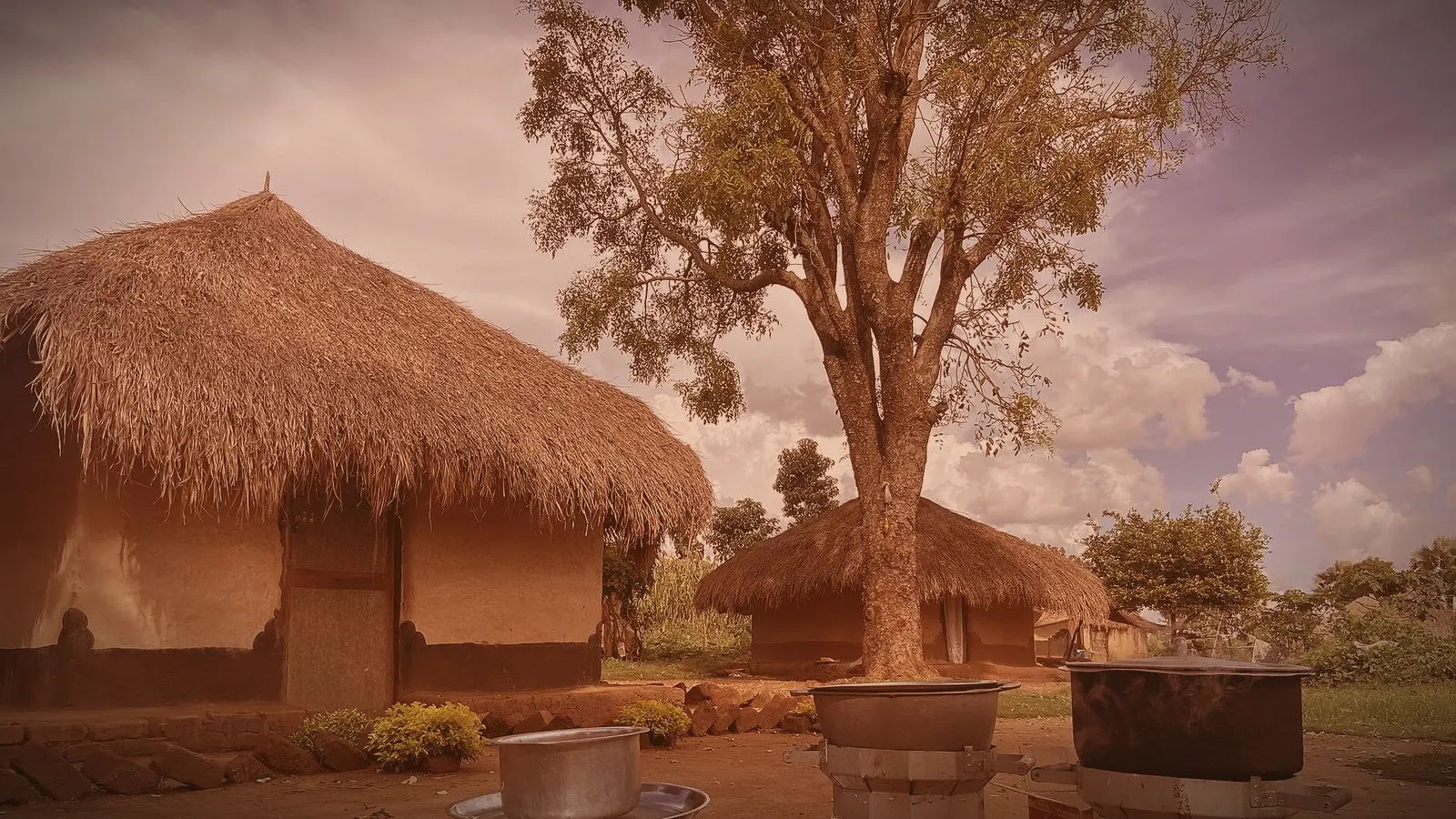
Nearly 107,000 Togolese households have already received clean cooking equipment in the Maritime, Plateaux, and Centrale regions, and the state is aiming for more than two million nationwide, reported Togolese media outlet Togonews on October 30, 2026. Behind this figure lies an action repeated three times a day in millions of kitchens: placing a pot over an open wood fire or a charcoal stove.
Thirty to sixty percent less fuel
The most widespread equipment is improved cookstoves: better-insulated stoves that concentrate heat under the pot and burn wood or charcoal more completely. According to Togonews, they reduce the amount of fuel used by 30 to 60%, while emitting much less smoke. Other solutions eliminate wood entirely: domestic gas, biogas produced from waste, and electric and solar cookers.
What women and children are breathing
The primary issue is health. This thick smoke is inhaled daily in often poorly ventilated spaces and is linked to respiratory diseases as well as lung and heart damage. The World Health Organization, cited by Togonews, attributes "more than 3 million premature deaths per year" worldwide to air pollution related to cooking. The primary victims are women, who manage the kitchen, and young children playing nearby.
Time is also a factor. Gathering wood takes up hours, most often those of women and girls—hours taken away from school or trade. A household that consumes less also means less charcoal to buy and meals cooked faster.
Forests and carbon
The third front is environmental: wood and charcoal weigh heavily on Togolese forests already impacted by deforestation. Reducing consumption limits logging and greenhouse gas emissions. It is precisely this calculation that is financing the initiative. The Ministry of Environment has entered into a partnership with the companies Valor Carbon Ltd, Valitera Pte Ltd, and Arborify SA, which is expected to mobilize 4.8 billion CFA francs in investments. Such companies often earn revenue by selling carbon credits generated by the emission reductions achieved.
The real obstacle: adoption
The point on which many programs of this kind have stumbled elsewhere on the continent remains: families must actually use the equipment. If it is too expensive or does not suit the dishes being cooked, it ends up stored at the back of the kitchen, and the old stove takes its place again. Togonews highlights this risk. Moving from 107,000 to two million households therefore requires less of a logistical feat than attention to the habits of those who do the cooking.
This article was written in French with the help of artificial intelligence from the sources cited below, then translated from French automatically. Read the original.