University of The Gambia: 20 buses for over 12,000 students, and a faculty demanding accountability
Hundreds of students from the University of The Gambia (UTG) protested on campus and took their grievances to the vice-chancellor's office before classes resumed following promises of improvements made by the government, reports Al Jazeera in a piece by Kaddy Jawo published on October 29, 2026. The students are demanding the resignation of Vice-Chancellor Herbert Robinson and the Director of Student Affairs. According to their union, the grievances affect more than 12,000 students.
The standoff over the institution's leadership remains unresolved, notes Al Jazeera. The Minister of Higher Education, Professor Pierre Gomez, visited the campus.
Forty kilometers, and a seat on the bus
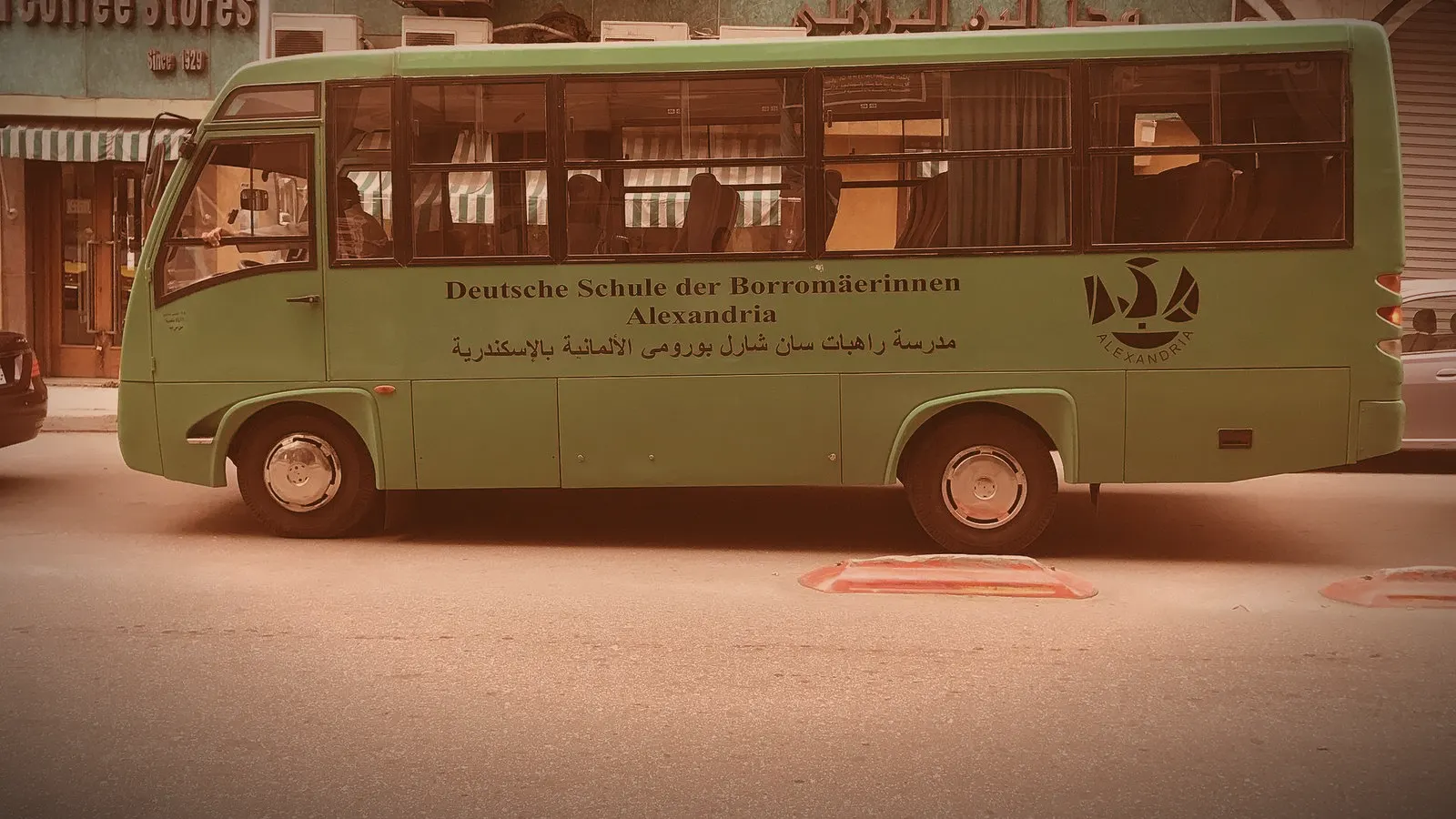
Muhammed Lamin Jallow, a student at the School of Arts and Sciences, travels about 40 kilometers between his home and the Faraba Banta campus on a university bus. He describes to Al Jazeera a daily competition to see who gets on, who gets a seat, and who, ultimately, makes it to class. "It feels like survival of the fittest," he summarizes.
The Ministry of Higher Education, Research, Science and Technology responds that the national transport company has deployed 20 buses. It also claims to have installed water jars and fountains, consulted with the national electricity company, and committed to extending internet access to the new schools of agriculture and law within a week. The statement does not confirm that this work is finished, Al Jazeera points out.
Overcrowded lecture halls and a cramped medical school
Abubacarr Manneh, president of the UTG Medical Students' Association, describes overcrowded rooms, poor ventilation, faulty power outlets, and a lack of projectors and digital whiteboards at the School of Medicine and Allied Health Sciences in Banjul. Practical sessions, he reminds us, are crucial for the quality of healthcare.
Ismaila Fadera, president of the student union, says he raised the issue of canteens with the vice-chancellor on October 20, 2026. He reports this response: "I have the students' interests at heart," but administrative procedures must be followed. The ministry asserts that the canteens are ready, without disclosing the price of meals. In journalism, Sukai Fatajo is calling for radio and television studios.
"No one should risk their life to go to school"
Kumba Leigh, a journalism student, was attacked with a knife in April in her town of Bakau while walking to a bus stop. Her right arm was dislocated. "No one should have to risk their life just to get to school," she tells Al Jazeera.
What is happening at Faraba Banta goes beyond a single campus: it is about the quality of higher education that The Gambia offers its youth. These students are not asking for charity, they are demanding accountability—and they are demanding it from their own leaders.
This article was written in French with the help of artificial intelligence from the sources cited below, then translated from French automatically. Read the original.