Ebola: WHO selects two new vaccine candidates against the strain hitting the DRC
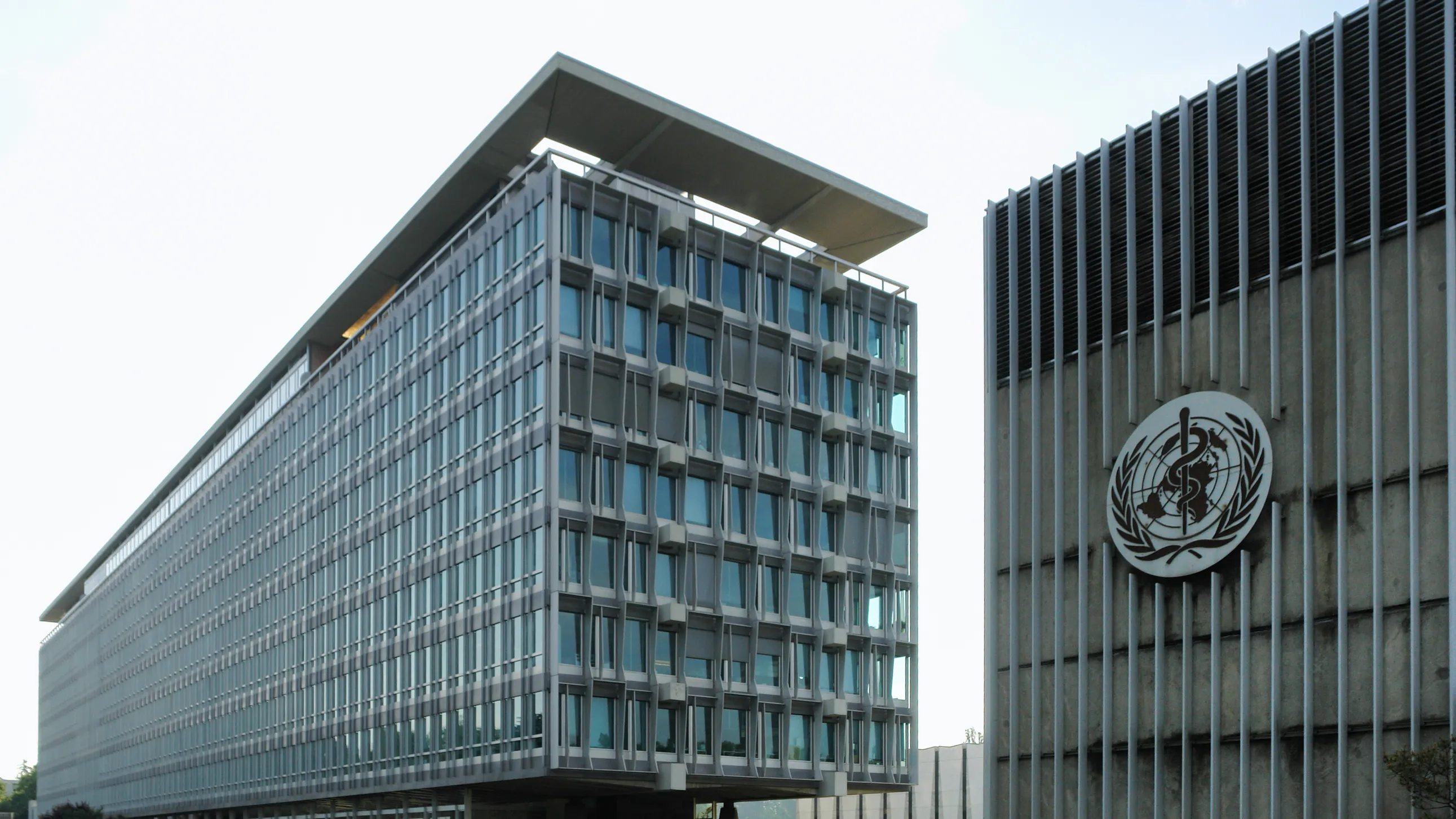
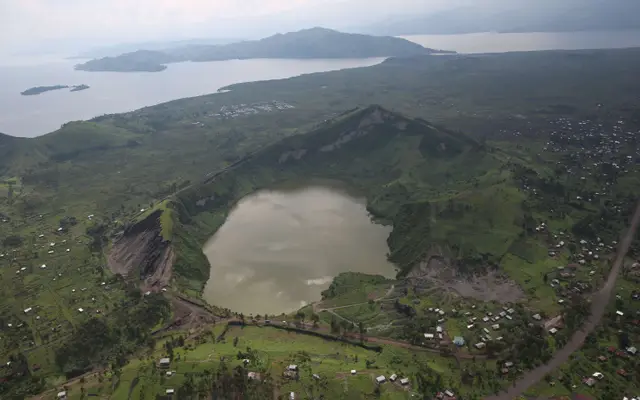
The World Health Organization (WHO) recommended, on November 4, 2026, two new vaccine candidates against the Bundibugyo virus, the strain of Ebola responsible for the ongoing epidemic in the Democratic Republic of Congo, reported Africanews with AFP.
The two products are ChAdOx1 BDBV, developed by the University of Oxford with the Serum Institute of India, and mRNA-1469, developed by the American laboratory Moderna. Both were designed specifically against this strain, specifies Africanews. They are set to join a clinical trial launched in October 2026, which has so far been evaluating the Ervebo vaccine: this is approved against Ebola, but not against Bundibugyo.
A trial led from Kinshasa
A significant detail: the trial is being conducted by the DRC's National Institute of Biomedical Research (INRB), with the support of several international partners, including the WHO. It is therefore Congolese researchers who are leading the research into the epidemic striking their country—a configuration that is still too rare, even though the continent has long served as a testing ground without holding the reins.
Meg Doherty, Director of Health Sciences at the WHO, reported preliminary results deemed encouraging in terms of safety and immunogenicity for both candidates, according to Africanews. Efficacy, however, will have to be confirmed by the trials: at this stage, there is no evidence to confirm that these vaccines protect against the disease.
An epidemic with over 50% lethality
The toll remains heavy. According to figures from the Africa CDC cited by Africanews, the epidemic has caused 10,444 confirmed cases and more than 5,300 deaths, representing a lethality rate of over 50%. The vast majority of victims are in the DRC.
The WHO reiterates that no vaccine will be enough to stop the spread on its own. Early treatment of patients, contact tracing, isolation, safe burials, and community mobilization remain essential—all measures that rely on local teams and the trust of residents, more so than on announcements made in Geneva.
Story Africa will follow the progress of this trial, the results of which will determine whether Congolese healthcare workers will finally have a vaccine adapted to the strain they are facing.
This article was written in French with the help of artificial intelligence from the sources cited below, then translated from French automatically. Read the original.