Canaries: 3,300 arrivals in six days, El Hierro and its 11,400 residents declare an emergency
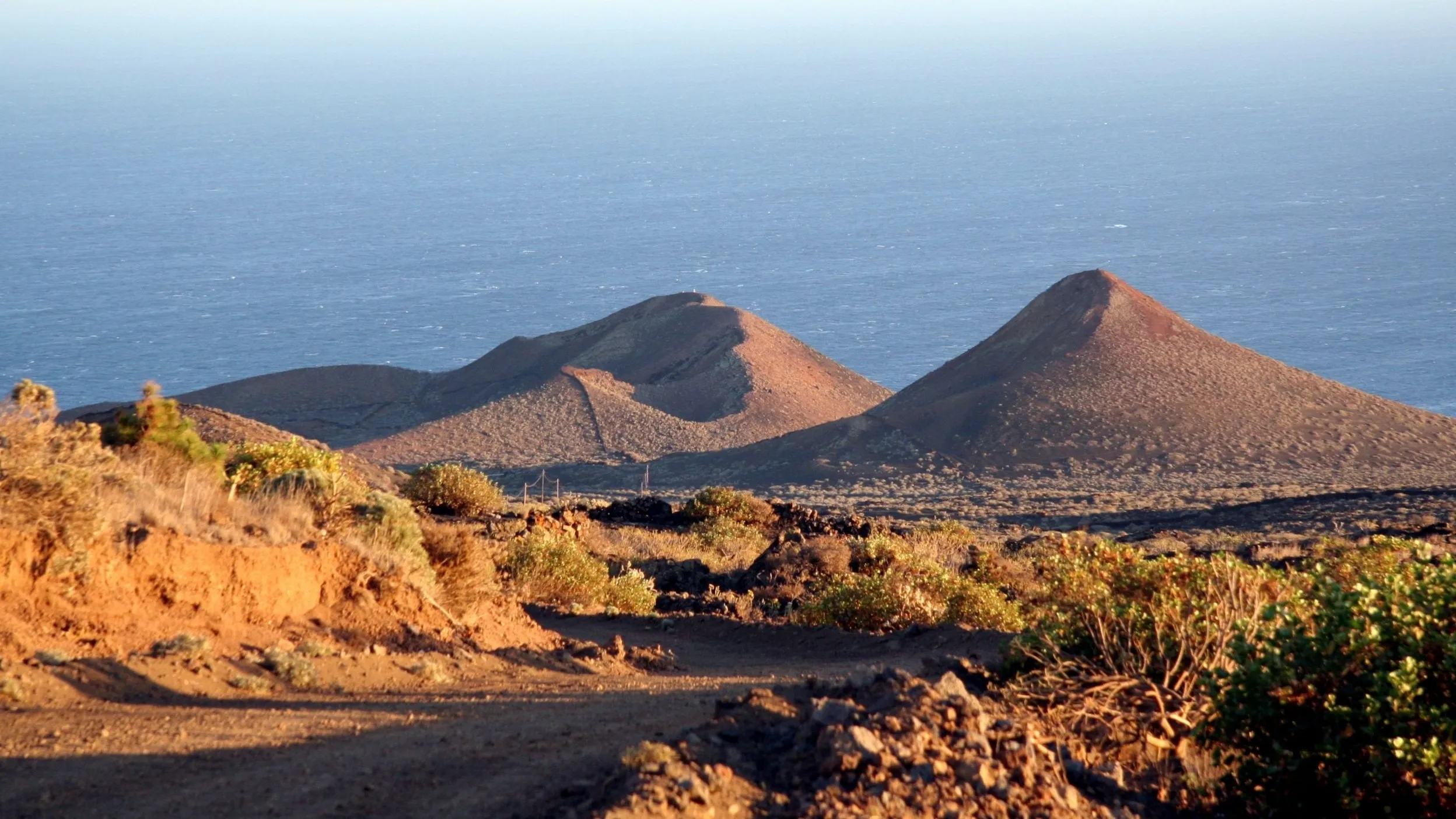
The island of El Hierro, the westernmost of the Canary Islands with approximately 11,400 residents, has declared a state of emergency and requested aid from Madrid following the arrival of more than 3,300 people aboard some thirty vessels since the beginning of November 2026, according to local authorities cited by Al Jazeera. In six days, this represents nearly a third of its population.
Spanish maritime rescue services rescued 3,261 people off the coast of the archipelago during the first six days of November. "We are very concerned," Alpidio Armas, who heads the island council, told Spanish television on Saturday, November 7, 2026. The declaration of emergency is intended, according to him, to obtain a framework for cooperation with higher-level institutions. He also deemed the conditions under which the island's hospital is now working "undesirable."
For Fernando Clavijo, head of the Canary Islands regional government, the situation is "absolutely unsustainable," he told Reuters on Friday, November 6. Buses have been reassigned to operations related to the arrivals, and medical personnel have been brought in from other islands. The current pace is approaching the 2024 record—more than 46,000 arrivals for the year—and even exceeding it on certain days, according to him.
A longer, and therefore deadlier, route
Annual figures remain on a downward trend: 13,327 irregular arrivals by sea in Spain from January to October 2026, which is 5.5% less than in the same period the previous year, according to the Spanish Interior Ministry. This decline is explained by reinforced surveillance and cooperation with countries of departure and transit. However, this cooperation has a measurable human cost: patrols off the coasts of Senegal, Mauritania, and Morocco have pushed departures further south, from The Gambia, Guinea-Bissau, and Guinea, thereby lengthening the crossing.
The toll is not long in coming. Two people were found dead this week on a boat heading toward the Canaries, and five others reportedly died during the journey, according to survivor accounts reported by AFP. At least nine people have lost their lives off the archipelago in recent weeks. The Atlantic route from West Africa is one of the deadliest in the world.
The barrier shifts, but departures do not
Upstream, the Senegalese police announced on Saturday, November 7, that they had intercepted 142 people off the coast of Dakar, including women and young children. These interceptions are the extended arm of European migration control exercised from a distance, on African shores: every barrier placed on a beach shifts the departure point to a more distant beach, lengthening the time spent at sea by young people crowded into pirogues.
The port of La Restinga, on El Hierro, remains the arrival point for most of these vessels. Al Jazeera did not specify the nationality of those who arrived. At this stage, nothing has been announced regarding Madrid's response to the island's request for aid, nor regarding the temporary accommodations that local authorities say they are seeking.
This article was written in French with the help of artificial intelligence from the sources cited below, then translated from French automatically. Read the original.