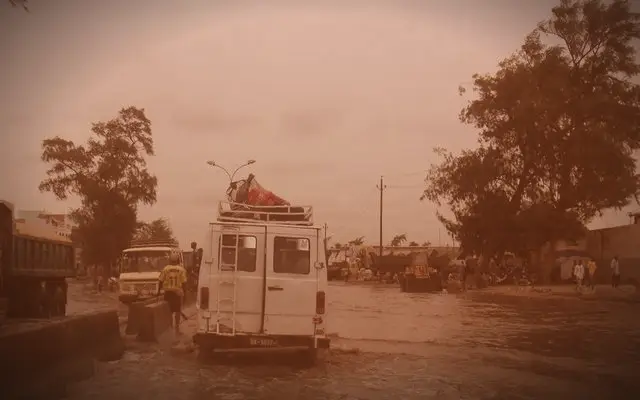
Tunisia: Human Rights Watch links around twenty deaths in detention to water and electricity cuts

Human Rights Watch (HRW) released a statement on October 6, 2026, in which the organization asserts that the electricity and water cuts that occurred in Tunisia in July and August 2026 endangered the health and lives of residents, and criticizes the authorities for having provided, in its view, no transparent information regarding their actual causes.
Two months of heatwaves and outages
July 2026 was the second-hottest July recorded in Tunisia since 1950, HRW notes. Rolling blackouts were imposed, followed by a second wave in August, with interruptions lasting up to two hours at a time. The organization recorded 361 water supply interruptions in the month of August alone, as power outages disrupted pumping stations across the country. As of August 29, 633 heat-related medical cases had been recorded in public hospitals.
Twenty documented deaths in prison
The most serious aspect concerns detention facilities. According to the Tunisian Human Rights League, cited by HRW, twenty deaths were documented in prisons and detention centers during this period, including five on the same day, August 28, at Mornaguia prison. HRW also reports five deaths attributed to the failure of home respiratory equipment during the power cuts. As early as July 22, a Tunisian medical organization estimated the number of deaths linked to heat and medical equipment failures to be between 150 and 200.
Massive social mobilization
Anger was expressed in the streets: 1,101 protest actions in July and 1,093 in August, spread across the 24 governorates, according to the count cited by HRW. On August 13, twelve people, including nine minors, were arrested following a demonstration against water shortages in Borj Erras. On August 31, activist Seifeddine Arfaoui was sentenced to 18 months in prison.
On August 26, President Kais Saied attributed the cuts to planned "acts of sabotage," without presenting public evidence, the organization notes. HRW is calling on the authorities to publish transparent information, including a death toll, and to present a clear plan to restore sufficient access to electricity and water.
Water and electricity are not mere services: they are prerequisites for the right to health, food, and dignity, particularly for detained persons, who depend entirely on the state for access to them.
This article was written in French with the help of artificial intelligence from the sources cited below, then translated from French automatically. Read the original.