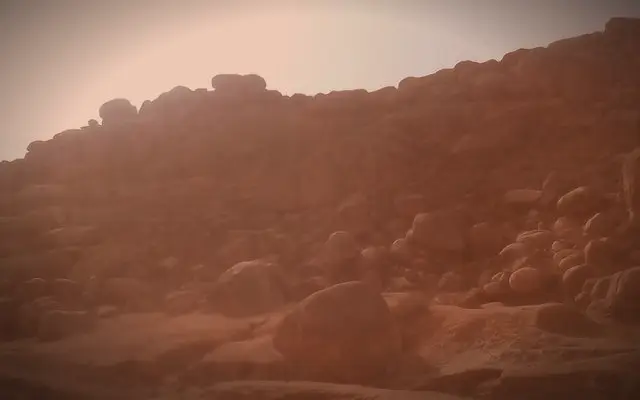
Malawi: 27 kilometers on foot at dawn to feed ten animals for a single day
In Mulanje, in southern Malawi, 25-year-old Lawrence Abison and three friends left Nsanjama before dawn to walk 27 kilometers to the Likhubula River. After two hours of cutting, they had gathered enough grass to feed ten cattle for a single day, before a one-and-a-half-hour return trip loaded with bundles. The report was written by Charles Pensulo and published by Al Jazeera on November 1, 2026.
"Even here, the grass is not enough"
"It is very difficult to find grass these days," Abison explains to the Qatari media outlet, adding: "even here, the grass is not enough for a week." In Chitakale, dozens of men wait with their bundles. Previously, the report recounts, collectors only went down to the river after October; this year, they have been going there for months and always further afield.
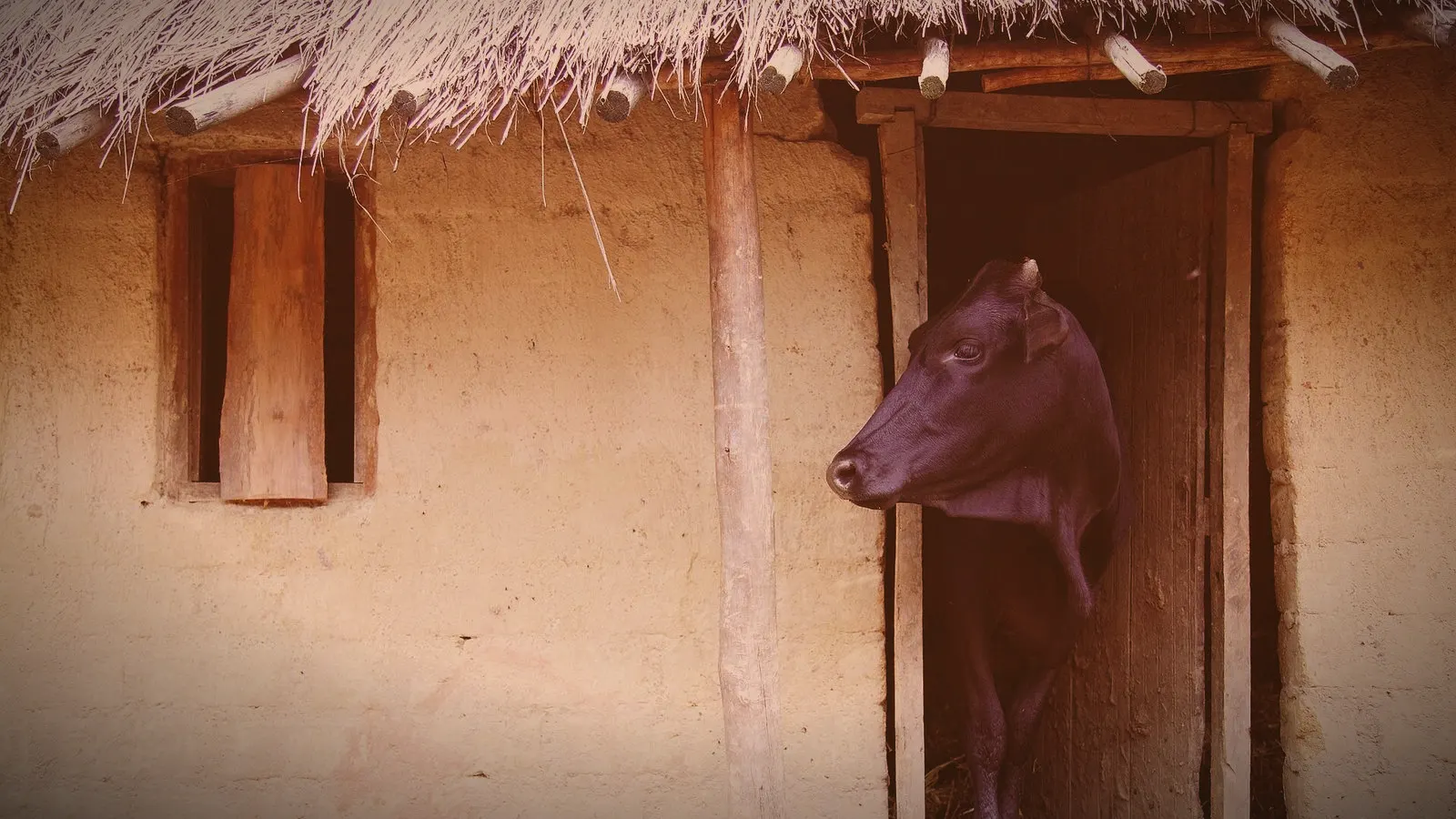
The man who sends them is named Macdonald Khandalawo. Aged 54 and based in Nsanjama since 2014, he owns ten cattle and serves as treasurer for the New Thuchira Milk Bulking Group, a cooperative that brings together up to 400 farmers, collects their milk, and sells it to processors. A normal month used to bring him more than one million kwachas, or about 577 dollars according to Al Jazeera. His production has dropped: the animals are eating less and the fodder arrives later. He blames "climate change" but also the crops planted right up to the riverbanks, which are drying up the waterways.
The rains no longer come as they used to
Batson Kweluza, 57, lives in Supuni Village, near the same river that flows down from the Mount Mulanje massif, which peaks at 3,002 meters. He remembers a forest cover so dense that "it was always dark even in broad daylight." Today, he says, "even the rains no longer come as they used to." Al Jazeera links this disruption to El Niño, which has disturbed rainfall patterns in Southern Africa; the Malawian Department of Climate Change and Meteorological Services had warned, as early as the 2023-2024 season, of below-normal rainfall and long dry spells, with the southern regions being the most exposed.
The human cost of the drought
The price is paid in daily struggles. In Nkando, 25-year-old Alefa Saulo fattens bulls that she sells after about a year; her three cows are losing weight. She pays two boys nearly 50,000 kwachas each, about 29 dollars, but they have not come for two days because they are sick. "The animals are hungry and I cannot feed them," she confides. Maize bran, the usual supplement to grass, has become rare and expensive, as maize harvests have declined. Some keep the stalks after the harvest, while others collect leftover peas and rice.
As for Khandalawo, he does not know how long he will be able to keep his herd. Saulo is waiting for the rains so that the grass can grow back. In both cases, family livestock farming now depends on the distance that men are willing to walk before dawn.
This article was written in French with the help of artificial intelligence from the sources cited below, then translated from French automatically. Read the original.