Burkina Faso: In Bobo-Dioulasso, the Fientan troupe makes deaf artists dance
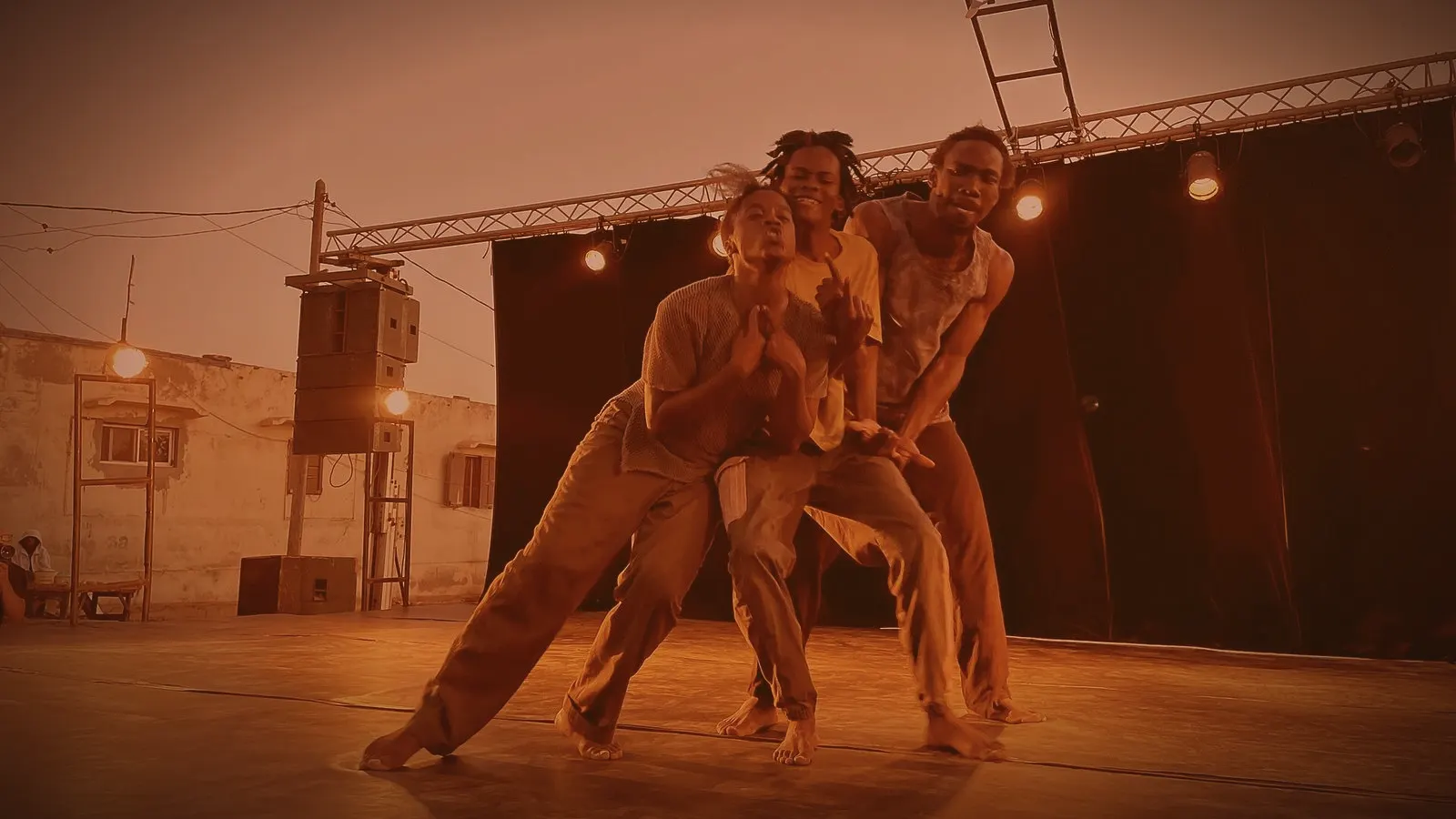
On October 2, 2026, Africanews dedicated a report to Fientan, a dance company from Bobo-Dioulasso, in western Burkina Faso, which brings deaf and hearing dancers together on the same stage. Based in the popular Sarfalao neighborhood, the troupe takes its name from Dioula: "Fientan" means "without disability."
Rhythm through the floor
Its director, Yaya Sanou, developed a technique he calls "Vibra-Signe": the tempo is transmitted through vibrations and signs, which allows deaf dancers to maintain a collective choreography without hearing the music. Adama Sanou, a deaf dancer in the company, summarizes his commitment to Africanews: "It is the love of dance that encourages me to continue."
The project was born from an observation of exclusion. Deaf people "were always among themselves, doing nothing," explains Yaya Sanou, as quoted by Africanews, referring to their absence from the sociocultural activities of their own neighborhood.
A disability still poorly perceived
Burkina Faso recorded 46,500 deaf or hard-of-hearing people in 2019. According to a survey cited by Africanews, 58% of those interviewed have a negative perception of deafness. Behind the figure, a right is at stake: that of participating fully in the cultural and social life of one's country.
Recognition came from the stage. Fientan won the gold medal in choreographic creation at the 2023 Francophone Games in Kinshasa, and its show "Adepte de mon être" has been presented abroad, notably in Ivory Coast and Germany.
The story of this company says something about an Africa that invents with its own means: not an imported device or an aid program, but a method conceived in a neighborhood of Bobo-Dioulasso, which is now being exported. The question of resources remains: the troupe lives off its tours and prizes, in a country where support for disabled artists remains limited.
This article was written in French with the help of artificial intelligence from the sources cited below, then translated from French automatically. Read the original.