Algeria: Three-year prison sentence for journalist Abdelali Mezghiche, convicted on November 8, 2026
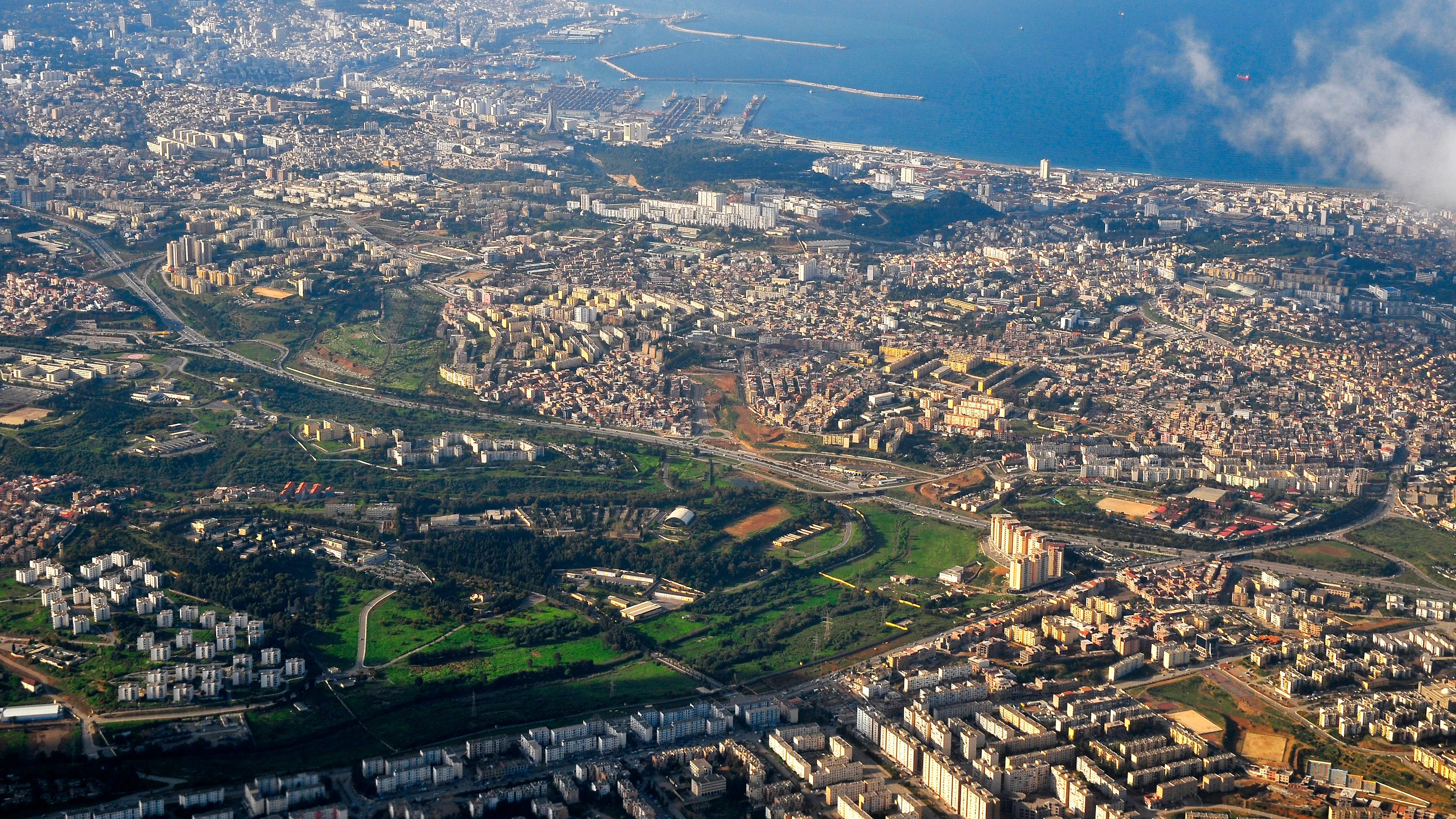
Algerian journalist Abdelali Mezghiche was sentenced on Sunday, November 8, 2026, to three years in prison and a 200,000 dinar fine, approximately 1,500 dollars, by a court in Chéraga, west of Algiers. The information was made public by the Committee to Protect Journalists (CPJ), whose report was picked up on November 9, 2026, by allAfrica.
According to the CPJ, Mezghiche was found guilty of five offenses, including the dissemination of content deemed contrary to national interest, incitement to unarmed gatherings, and the propagation of hate speech. An Algerian journalist, who requested anonymity for fear of reprisals, told the CPJ that the conviction is based on articles 96 and 100 of the penal code.
Nine months of detention before the verdict
The judicial process has been long. Mezghiche was arrested on February 5, 2026, and then placed in pre-trial detention on February 9 at Koléa prison, in the Tipaza province. On October 25, 2026, prosecutors had requested a five-year prison sentence and the same 200,000 dinar fine. His lawyers intend to appeal, the CPJ reports.
One point deserves to be highlighted, as it weighs on the understanding of the case: the CPJ text does not specify which article, publication, or statement triggered the prosecution. Story Africa is therefore unable to state what the journalist wrote or said. The Algerian Ministries of Justice and the Interior did not respond to the CPJ's requests for comment.
A state television presenter
Abdelali Mezghiche is not a professional dissident. He has worked since 2005 for Algerian public television, where he presented cultural programs, after having worked in the print media. He is also the author of three poetry collections.
The CPJ's regional director, Sara Qudah, denounced a "flagrant instrumentalization" of the Algerian justice system to silence critical voices, and called on the authorities to release Mezghiche immediately and unconditionally, to overturn his conviction, and to stop prosecuting journalists for their work.
The CPJ records at least seven journalists imprisoned in Algeria for their work. In a country built on a war of liberation, every pen put behind bars raises the same question: does the sovereignty wrested from foreign powers also apply to the citizen facing their own state? Defending the rights of Africans also means asking that very question.
This article was written in French with the help of artificial intelligence from the sources cited below, then translated from French automatically. Read the original.