Botswana: The state aims to double its stake in De Beers and become its largest shareholder
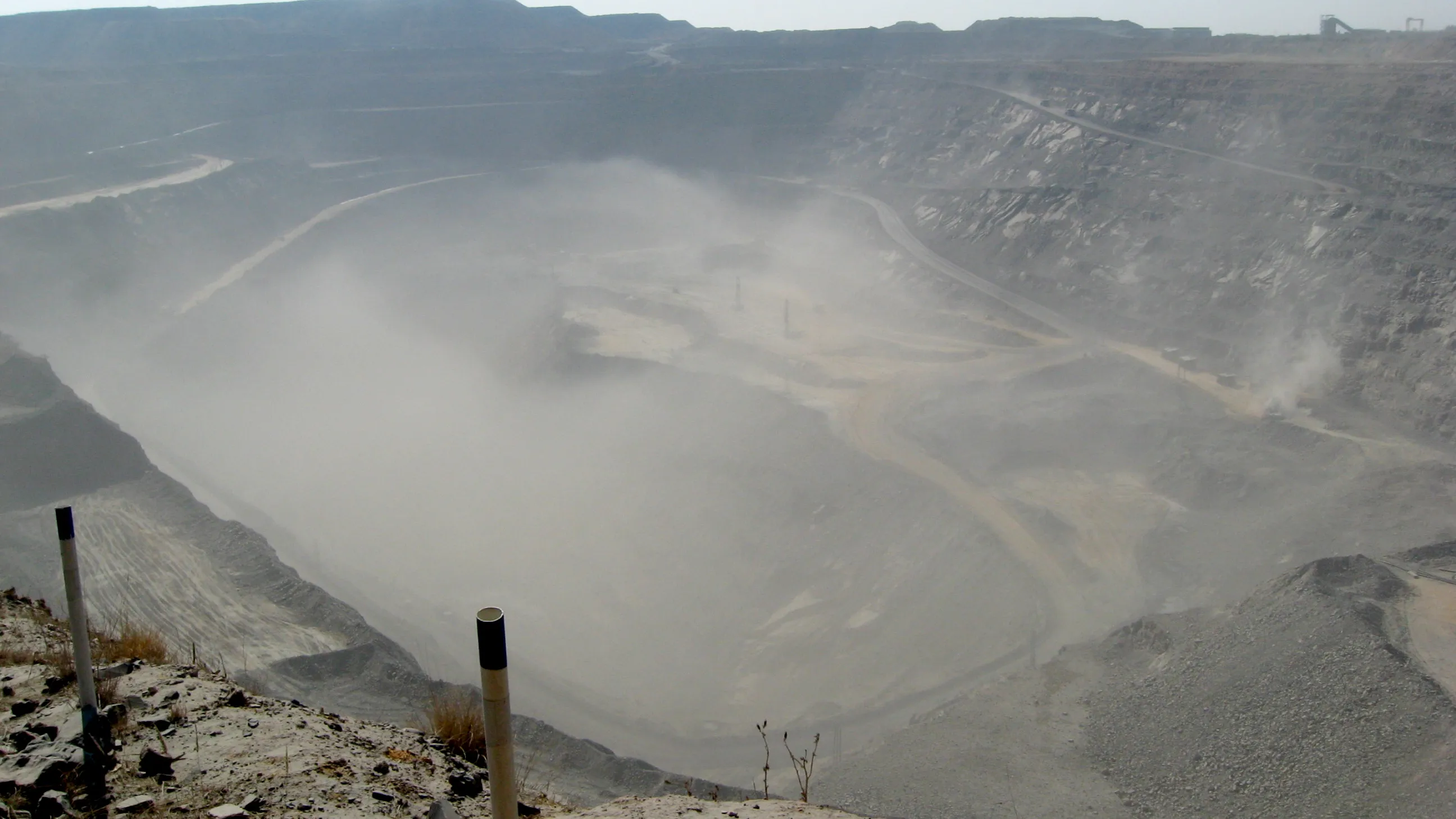
Botswana is preparing to double its direct stake in De Beers from 15% to 30% by purchasing a portion of the 85% that the British group Anglo American is looking to offload. The announcement by President Duma Boko was reported on November 13, 2026, by an analysis from the Institute for Security Studies (ISS), a Pretoria-based think tank, and picked up by AllAfrica. Gaborone would thus become the largest shareholder in the company that has shaped the global diamond market for over a century.
A third of the country's public revenue
For Botswana, the stone is not just a symbol but the backbone of the state: diamonds have historically accounted for about 70% of exports, nearly a third of public revenue, and about a quarter of the gross domestic product, the ISS notes. The country already operates its mines with De Beers through Debswana, a 50-50 joint venture.
Duma Boko also supported the Global Diamond Consortium's bid for the remainder of the capital. Its chairman, Gareth Penny, a former CEO of De Beers, states that the consortium and Botswana are moving toward co-ownership of the company. The Botswanan head of state promised that major producing countries in the region would finally sit "at the owners' table," according to remarks reported by the South African media outlet News24 and cited by the ISS. Angola and Namibia are mentioned among the partners, though the size of their stakes has not been specified.
A collapsed market, rising debt
The timing of the operation is brutal. The Botswanan economy contracted by 2.8% in 2024 and then by 0.7% in 2025. Public debt rose from about 22% of GDP in 2023 to nearly 40% in 2025, according to a World Bank report published in July. The average price of rough diamonds fell by another 32% in the first half of 2026, according to mining journalist Ed Stoddard of the Daily Maverick. The S&P agency downgraded the country's rating in March 2026 and maintained that position in September, citing structural weakness in global demand. In July, Anglo American suspended production at Venetia in South Africa's Limpopo province, a deposit where $2.2 billion had been committed to transition to underground mining.
Taking control, but at what price?
Critical voices are also coming from within Africa. Keith Jefferis, managing director of Econsulting and former deputy governor of the Bank of Botswana, considers it risky to bet on a market recovery given the last few years and De Beers' recent losses. Ed Stoddard describes it as a gamble where the odds are heavily stacked against Gaborone. Analyst Paul Zimnisky, for his part, points out that one does not simply walk away overnight from a resource that accounts for three-quarters of a country's exports.
The price of the transaction has not been made public; speculation suggests around one billion dollars in a market that is talking about a forced sale. The fact remains that the operation raises a question that goes beyond Botswana: after decades where African mining rents were decided in London or Johannesburg, states on the continent are now taking equity positions. Whether they are buying power or an asset losing value will be one of the economic tests of the coming years.
This article was written in French with the help of artificial intelligence from the sources cited below, then translated from French automatically. Read the original.